
TL;DR: Recycling electrical wiring is crucial for conserving resources and reducing environmental impact. This guide covers everything from identifying recyclable materials to finding the right recycling services.
Key Takeaways:
- Why recycle electrical wiring?
- How to identify recyclable components
- Finding e-waste and copper recycling services
Table of Contents:
- Why Is Recycling Electrical Wiring Important?
- What Parts of Electrical Wiring Can Be Recycled?
- How Do You Prepare Electrical Wiring for Recycling?
- Where Can You Recycle Electrical Wiring in Central Indiana?
- FAQs About Recycling Electrical Wiring
- Quick Recap
- Conclusion
If you’ve ever glanced at a tangle of old cables in your garage or an excess of wiring from a renovation project and wondered if it belongs in the trash, you’re not alone. While throwing it away might seem like the easiest option, those wires are often packed with valuable materials that can—and should—be given a second life. In fact, disposing of electronics and certain components in regular trash is often prohibited by state regulations because of the environmental risks they pose.
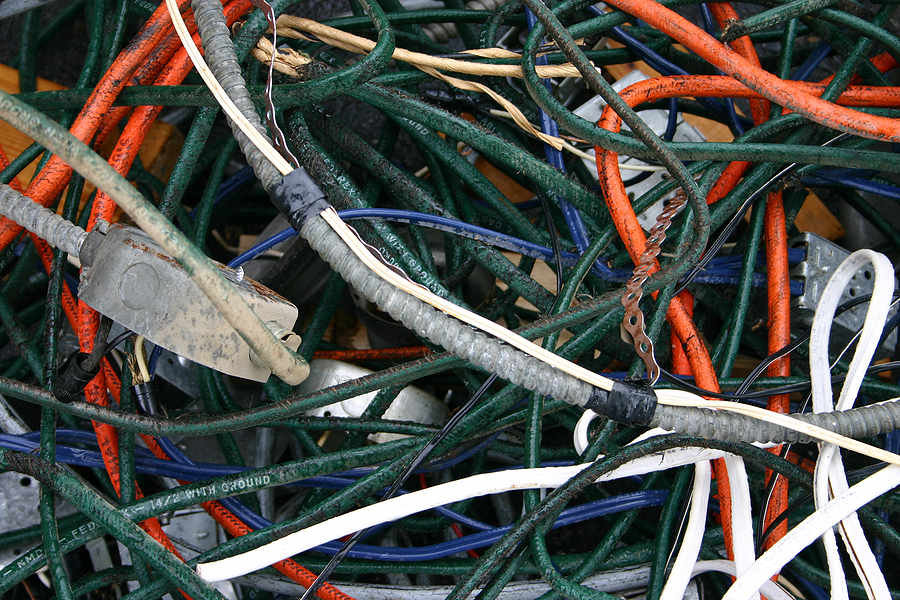
Recycling electrical wiring isn’t just about following the rules; it’s a powerful way to conserve natural resources. Inside those rubber coatings lie precious metals like copper and aluminum, which require significant amounts of energy to mine and refine from scratch. By recovering these metals, we reduce the strain on our planet and cut down on the harmful emissions associated with mining new materials.
This guide will walk you through the essentials of recycling electrical wiring. Whether you are cleaning out a home office or managing a construction site, you will learn why this process matters, how to prepare your materials safely, and exactly where to take them in Central Indiana.
Why Is Recycling Electrical Wiring Important?
Recycling electrical wiring conserves valuable resources like copper, reduces landfill waste, and lowers energy consumption.
Conserving Natural Resources
Electrical wiring is a goldmine—sometimes literally, but more often figuratively—of valuable metals. Copper, the most common conductor found in wiring, is infinitely recyclable. According to the International Copper Association, recycled copper requires 85% less energy to process than producing new copper from raw ore. This massive energy saving translates directly into fewer carbon emissions and a smaller environmental footprint.
Preventing Environmental Hazards
Many older electronics and cables contain hazardous materials. When left to decompose in a landfill, the insulation and heavy metals can leach into the soil and groundwater, posing risks to local ecosystems and public health. In Indiana, state regulations (specifically Indiana Code regarding e-waste) prohibit households, small businesses, and schools from discarding covered electronic devices in the trash. While cables themselves fall into a gray area for curbside bins, they are often attached to devices that must be recycled properly.
Supporting the Circular Economy
By recycling wiring, you are contributing to a circular economy where materials are kept in use for as long as possible. The U.S. Geological Survey estimates that recycling just one million laptops saves the energy equivalent to the electricity used by more than 3,500 U.S. homes in a year. While that stat applies to whole devices, the wiring inside plays a significant role in that recovery value.
What Parts of Electrical Wiring Can Be Recycled?
Copper, aluminum, and certain plastics in electrical wiring are recyclable.
The Metal Core
The most sought-after component in electrical wiring is the metal core.
- Copper: Highly conductive and valuable, copper is found in everything from household extension cords to heavy-duty industrial cables. It is often graded by recyclers based on purity (e.g., “bright copper” vs. oxidized wire).
- Aluminum: Often used in power grid lines and some household wiring, aluminum is lighter and less conductive than copper but still highly recyclable.
The Insulation
The plastic or rubber coating (insulation) that protects the wire is technically recyclable, though it is harder to process than the metal. High-end recycling facilities like Zore’s Inc. in Indy use specialized granulators to strip this insulation and separate it from the metal. While you might not get paid for the plastic weight at a scrap yard, ensuring it doesn’t end up in a landfill is a key benefit of using professional e-waste services.
How Do You Prepare Electrical Wiring for Recycling?
Safely remove any insulation and separate the different metals before recycling.
Safety First
Before you start cutting or stripping wires, ensure they are completely disconnected from any power source. Never attempt to recycle wiring that is still live. Additionally, avoid burning insulation off wires. This is a dangerous, illegal practice that releases toxic fumes into the air and ruins the quality of the copper for recyclers.
Sorting Your Wires
Scrap yards and recycling centers often pay different rates for different types of wire. To maximize efficiency (and potential payout):
- Separate by type: Keep aluminum wires separate from copper ones.
- Separate by grade: “High grade” wire (like single-strand electrical wire) is worth more than “low grade” wire (like old holiday lights or extension cords with heavy plugs).
Stripping the Insulation
If you are taking your wire to a scrap yard to sell, you will get a better price for “bare bright” copper than for insulated wire. You can use a handheld wire stripper for small batches. However, for general e-waste recycling where profit isn’t the goal, you typically do not need to strip the wire. Facilities like Zore’s Inc. in Indianapolis accept insulated wires and handle the separation process industrially.
Where Can You Recycle Electrical Wiring in Central Indiana?
If you have a large quantity of copper wiring (from a remodel, for instance) and want to recoup some costs, search for local scrap metal recyclers. Facilities often buy insulated and bare copper wire by the pound. Be sure to call ahead to check their current buying prices and preparation requirements.
FAQs About Recycling Electrical Wiring
Is it safe to recycle electrical wiring myself?
It is safer to use professional services due to potential hazards. Burning wire to remove insulation is dangerous and illegal. Furthermore, attempting to strip large quantities of wire without proper tools can lead to injury. Professional recyclers have the machinery to handle these materials safely and efficiently.
Can I get paid for recycling copper wiring?
Yes, depending on the market value and the quantity you have. “Scrapping” is a common practice. Clean, stripped copper wire fetches the highest price, while insulated wire pays less because the yard has to do the work of separating the materials. If you have just a few cords, the payout may be negligible, making donation-based recycling a better use of time.
Can I put electrical wires in my curbside recycling bin?
Generally, no. Cords and cables are known as “tanglers” in the recycling industry. They can wrap around the gears of sorting machines at recycling facilities, causing shutdowns and equipment damage. Always take them to a designated drop-off point.
Quick Recap:
- Recycling conserves resources: It saves huge amounts of energy compared to mining new metals.
- Copper and aluminum are key: These metals are infinitely recyclable and highly valuable.
- Proper preparation is essential: Sort your wires and never burn insulation.
- Utilize local recycling services: Use Zore’s Inc. in Central Indiana to keep wires out of the landfill.
Conclusion
Recycling electrical wiring is essential for a sustainable future. It transforms what looks like junk into valuable raw materials, saving energy and protecting our local soil and water from hazardous waste. By taking the small step to sort and transport your old cables to a proper facility, you are playing a vital role in the health of our environment.
For e-waste and copper recycling services in Central Indiana, contact Zore’s today! Whether you have a garage full of old cables or industrial scrap, we can help you find the responsible solution.
Related Post: Recycle Copper, Save the Planet: Key Facts and Benefits