A Complete Guide to the Most Recyclable Items in the US

Throwing an item in the recycling bin often feels like a small victory for the environment. You want to do the right thing to reduce landfill waste and preserve natural resources. However, the rules of recycling can be confusing, and tossing the wrong items into your curbside bin can cause more harm than good.

Knowing exactly what happens to your household waste is a crucial step in building sustainable habits. While many items technically have the potential for a second life, local facilities can only process specific materials efficiently.

By focusing your efforts on the most highly recyclable consumer products in the United States, you can make a genuine impact. This guide will walk you through the top recyclable materials, explaining why they are so valuable and how you can ensure they actually make it through the recycling process.

Most Recyclable Goods

The power of aluminum: A recycling champion

Aluminum stands out as one of the most sustainable materials on the planet. It is highly valued in the recycling industry due to its durability and the incredible efficiency of processing it.

Aluminum cans: An infinite loop

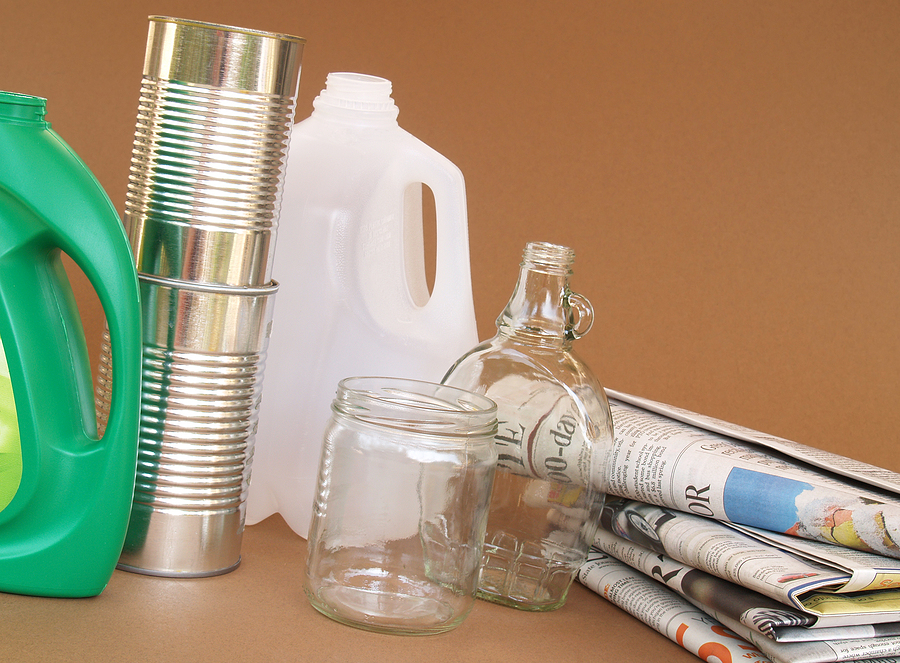
The aluminum beverage can is a true success story in the world of sustainability. These cans can be recycled indefinitely without losing any structural quality. Recycling aluminum requires only 5% to 10% of the energy needed to produce new aluminum from raw bauxite ore.

Despite these clear environmental benefits, the US recycling rate for aluminum cans recently dipped to around 43%. We can greatly improve this metric by consistently placing empty cans in the appropriate bins. When properly sorted, an aluminum can goes from the recycling bin back to the grocery store shelf in as little as 60 days.

Beyond beverages: Other aluminum products

Your recycling efforts can easily extend beyond soda and sparkling water cans. Clean aluminum foil, pie pans, and food trays are also highly recyclable. You simply need to wash off any heavy food residue before tossing them in your bin. Food contamination can ruin entire batches of otherwise perfectly good recyclable metal.

Glass: A sustainable choice for packaging

Glass is a beautiful, natural material that has been used for centuries. Like aluminum, it boasts incredible properties that make it a cornerstone of eco-friendly packaging.

Bottles and jars: A clear winner

Glass bottles and jars can be melted down and reformed endlessly without any loss of purity or quality. Using recycled glass to create new containers significantly reduces the need for raw materials like sand, soda ash, and limestone. Currently, the US glass recycling rate hovers around 31%, but the glass packaging industry is actively working toward a goal of 50% by 2030.

Most community programs accept clear, brown, and green glass. Sorting by color is sometimes required because mixing colors can weaken the final recycled product.

Paper and cardboard: Everyday recyclable essentials

Paper products make up a massive portion of household and commercial waste. Fortunately, the infrastructure for recycling these materials in the US is highly developed and incredibly effective.

Corrugated cardboard: The backbone of shipping

With the massive growth of online shopping, corrugated cardboard is everywhere. It is also one of the most successfully recycled materials in the country, boasting a recycling rate between 69% and 74% in 2024.

Recycling cardboard keeps bulky materials out of local landfills and saves millions of trees annually. To process cardboard properly, you must flatten the boxes completely and ensure they stay dry. Wet cardboard clogs sorting machines and degrades the paper fibers.

Mixed paper and newspapers: From tree to treasury

Your daily mail, magazines, office paper, and newspapers are all highly valuable to recyclers. These items are pulped and turned into new paper products, including paper towels, tissue paper, and fresh printing paper. The recycling process extends the life of wood fibers, allowing a single piece of paper to be recycled five to seven times before the fibers become too short to use.

Plastics: Identifying the recyclable varieties

Plastic recycling is notoriously complex. Not all plastics are created equal, and the numbering system on the bottom of containers indicates the type of plastic resin used, not necessarily its curbside recyclability.

PET (Polyethylene Terephthalate) – Code 1

PET is the clear, lightweight plastic commonly used for water bottles, soda bottles, and some food containers. It is one of the most widely accepted and recycled plastics in the US, with a recycling rate of around 30.2% in 2024. Reclaimed PET is highly sought after to create new bottles, polyester clothing, and carpet fibers.

HDPE (High-Density Polyethylene) – Code 2

HDPE is a sturdy, opaque plastic typically used for milk jugs, shampoo bottles, and heavy-duty laundry detergent containers. It shares a similar recycling rate to PET and is highly prized for its durability. Recycled HDPE is often transformed into plastic lumber, patio furniture, and new heavy-duty containers.

Decoding other plastic numbers

Plastics stamped with numbers 3 through 7—such as PVC, low-density polyethylene, and polystyrene—are much harder to recycle. Many municipal programs do not accept them because they require specialized processing. Always check your local waste management guidelines before putting these lower-grade plastics into your bin.

Electronics (E-waste): A growing recycling priority

Technology moves fast, leaving a trail of outdated devices in its wake. Electronic waste, or e-waste, is one of the fastest-growing waste streams globally, and it requires careful attention.

The need for responsible e-waste management

Throwing old electronics into the regular trash poses severe environmental and health risks. E-waste often contains hazardous substances like lead, mercury, and cadmium. When these devices sit in landfills, toxic chemicals can leach into the soil and groundwater. Proper e-waste recycling ensures these dangerous materials are safely extracted and disposed of.

Common recyclable electronics

Cell phones, laptops, tablets, televisions, and even old charging cables can be recycled. Because of the complex mix of metals, plastics, and glass inside them, they cannot go in your curbside bin. You must take them to specialized e-waste drop-off locations or designated retailer take-back programs.

Metals beyond aluminum: Scrap metal’s value

While aluminum gets a lot of attention, other metals play a vital role in the recycling ecosystem. Reusing these metals preserves natural habitats by reducing the need for destructive mining practices.

Steel and tin cans: Kitchen staples

Soup cans, vegetable cans, and coffee tins are generally made of steel with a thin tin coating. Steel is actually the most recycled material on the planet by weight. At a scrap metal recycling facility, large magnets easily pull steel cans out of the waste stream, making them incredibly cheap and efficient to sort.

Other valuable scrap metals

Metals like copper, brass, and iron hold significant economic value. Old plumbing pipes, wire, and broken metal appliances can all be melted down and reformed into new industrial materials.

FAQ Section

What items are generally NOT recyclable in curbside programs?

Items like plastic grocery bags, garden hoses, and greasy pizza boxes should stay out of your curbside bin. Plastic bags and hoses tangle around sorting equipment, causing dangerous and costly machine jams. Grease destroys the paper fibers in pizza boxes, making them unrecyclable.

How can I find local recycling guidelines?

The best way to find accurate information is to visit your city or county waste management website. You can also use online databases like Earth911, which allow you to search for specific drop-off locations based on your zip code and the material you want to recycle.

Does rinsing containers really matter for recycling?

Yes, rinsing is essential. Leftover food and liquids can contaminate entire bales of recyclable materials, rendering them useless. You do not need to scrub items perfectly clean with soap, but a quick rinse to remove sticky residue goes a long way.

What is “wishcycling”?

Wishcycling happens when well-meaning people toss questionable items into the recycling bin, hoping the facility will figure out what to do with them. This practice actually slows down processing plants, damages equipment, and increases the cost of recycling for everyone.

Make your recycling efforts count

Taking a few extra seconds to sort your waste properly has a profound impact on resource conservation and energy savings. By focusing on highly recyclable materials like aluminum, glass, cardboard, PET, and HDPE, you support a healthier planet and a more sustainable economy.

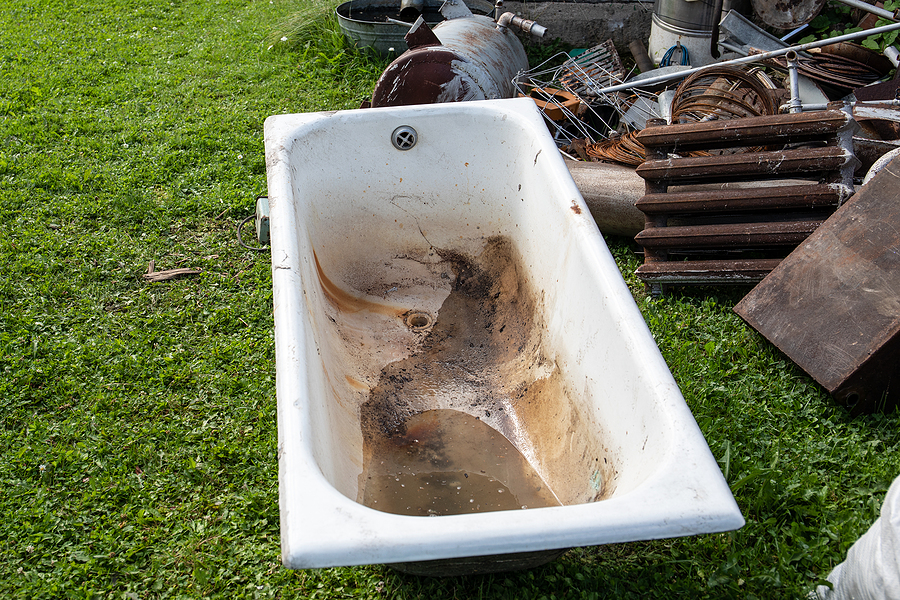
If you have larger items taking up space in your garage, do not let them end up in a landfill. Bring your materials to Zore’s Indy for scrap metal and e-waste recycling services in Indianapolis, Indiana. We ensure your items are processed safely, and you can get paid cash for metal scrap items!

Call Now

Related Post: 4 Really Weird Things That Can Be Recycled

Smart Options for Scrap Copper Wire Disposal

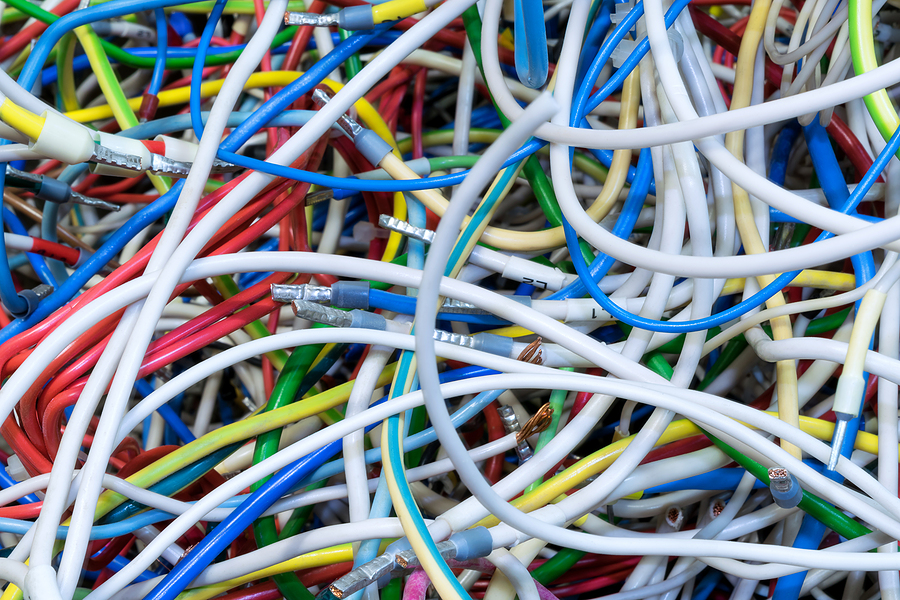
Having leftover materials after a big electrical job or a home renovation can feel overwhelming. Scrap copper wire tends to pile up quickly, taking up valuable space in your garage or workshop. Throwing it in the trash is terrible for the environment and wastes a highly valuable resource.

Proper scrap copper wire disposal helps reduce the demand for newly mined ores. It takes significantly less energy to recycle copper than to extract it from the earth, which lowers greenhouse gas emissions and conserves natural resources. Beyond the environmental benefits, taking your scrap metal to a certified recycling center puts extra money in your pocket.

If you want to get the most out of your leftover materials, you need a solid plan. This guide will show you how to safely store your wire, sort it by grade, and comply with state and federal recycling laws. You will learn exactly how to transform a tangled mess of cables into a lucrative and environmentally responsible return.

Call 317-247-8484 for Copper Wire Disposal in Indianapolis
Call 317-247-8484 for Safe Copper Wire Disposal in Indianapolis

Preparing Your Scrap Copper for Disposal

Taking a pile of tangled wire straight to the scrap yard might seem like the easiest option. You will still get paid for it, but taking a little time to prepare your materials can significantly increase your payout.

Stripping Insulation for Better Value

Most copper wiring features a thick plastic or rubber coating to protect the electrical current. Scrap yards pay a premium for “bare bright” copper, which is completely free of any insulation, paint, or tarnishing.

If you have the time, stripping the insulation off your wire is highly profitable. You can use a handheld wire stripping tool for smaller batches or invest in an automatic wire stripper if you frequently handle large volumes. Always wear thick, cut-resistant gloves and safety glasses to protect yourself from sharp metal edges and flying debris.

Sorting Copper by Grade

Scrap yards classify copper into different grades, and they pay different rates for each. Mixing your high-value metal with lower-grade scrap usually results in the facility paying you the lowest rate for the entire batch.

  • Grade 1 copper includes clean, unalloyed wire that is free of solder, coating, or heavy oxidation.
  • Grade 2 copper might have some light tarnishing, solder, or other minor impurities.
  • Insulated wire is usually graded separately based on the percentage of copper recovery.

 By sorting your wire into distinct buckets or bins based on its grade, you ensure that you receive fair compensation for the highest-quality pieces.

Recycling Options for Scrap Copper Wire

Finding a reputable place to dispose of your scrap metal is crucial for getting a fair price and ensuring the materials are processed responsibly.

Local Scrap Yards and Recycling Centers

The most common disposal method is taking your materials directly to a local scrap metal yard. Look for established facilities with certified scales and transparent pricing. Building a good relationship with a reputable buyer ensures you get honest weights and fair compensation.

How to Identify Copper Prices and Grades

Metal prices fluctuate daily based on global market demand, trade policies, and economic conditions. Before you load up your truck, call a few local scrap yards to ask for their current price per pound for different copper grades. Some facilities update their prices online daily. Knowing the going rate prevents you from accepting a lowball offer and helps you decide if you should hold onto your scrap until prices rebound.

Environmental Benefits of Copper Recycling

Copper is an incredibly resilient metal that can be recycled infinitely without losing its structural integrity or electrical conductivity. Choosing to recycle your wire prevents toxic heavy metals from leaching into soil and groundwater at local landfills. Furthermore, the recycling process requires about 85% less energy than mining and refining raw copper ore, making it a critical component of global energy conservation efforts.

Safe Handling and Storage of Scrap Copper

Copper theft is a serious issue due to the high value of the metal. Proper storage protects your financial investment and keeps your work environment safe.

Preventing Accidents and Contamination

Sharp wire ends can easily cause deep cuts or puncture wounds. Always handle scrap wire with heavy-duty work gloves. Keep your scrap area clean and dry to prevent the metal from corroding or degrading in value. Exposure to harsh weather, battery acid, or chemical spills will quickly turn high-value Grade 1 copper into lower-paying Grade 2 scrap.

Proper Storage Techniques

Store your sorted copper wire in heavy-duty plastic bins, lockable steel drums, or strong wooden crates. Keep these containers in a secure, locked area like a garage or a storage shed to deter theft. If you are storing the metal outside, keep it elevated off the ground and tightly covered with a waterproof tarp to prevent water damage and oxidation.

Regulations and Compliance for Copper Disposal

The scrap metal industry is highly regulated to protect the environment and cut down on metal theft. Familiarizing yourself with these rules ensures your recycling efforts are fully compliant.

EPA Guidelines for Metal Recycling

The U.S. Environmental Protection Agency (EPA) heavily encourages metal recycling. Under current EPA guidelines, recycled scrap metal that is sent for reclamation is generally exempt from being classified as a hazardous solid waste. However, any fluids or hazardous materials mixed with the metal must be managed strictly according to federal environmental standards. Using an EPA-approved recycling facility guarantees that the metal is processed without harming the local ecosystem.

Local and State Regulations

State laws dictate how scrap yards operate and how you get paid. For example, Indiana scrap metal laws require recycling facilities to keep detailed transaction records for at least two years. When you bring your copper wire to a yard, you will need to provide a valid, government-issued photo ID.

Depending on local ordinances and the facility’s specific licensing, payouts might be regulated to check or in-store credit to prevent illicit cash transactions. Always check your local laws to know exactly what documents to bring.

FAQ Section

Can I burn the insulation off my copper wire?

No. Burning plastic or rubber insulation releases highly toxic chemicals into the air and is illegal in most areas. It also severely damages the copper, leaving it charred and heavily downgraded by scrap yards.

What is the difference between bare bright and #1 copper?

Bare bright copper is bare, uncoated, and unalloyed wire that is thicker than 16 gauge and completely free of any tarnish. #1 copper is also clean and unalloyed but may have very slight traces of oxidation or be a slightly thinner gauge.

Do I need a license to sell scrap copper?

Most casual sellers do not need a special license to sell scrap metal. You simply need a valid driver’s license or state ID. However, if you are acting as a commercial dealer or hauling massive industrial loads, you may need a local business permit.

Making Responsible Choices for Copper Disposal

Disposing of scrap copper wire properly is a rewarding process. It helps preserve the environment, reduces industrial energy consumption, and provides a great financial return for your hard work. By taking the time to strip, sort, and store your materials safely, you maximize your payout and keep hazardous waste out of local landfills.

If you are ready to turn your scrap into cash, reach out to an EPA-approved scrap copper recycling facility in Indianapolis, Indiana. Zore’s Indy pays cash on the spot for all scrap metal. Get a free quote today and make the most out of your scrap wire disposal.

Call for a Free Offer

Related Post: Recycle Copper, Save the Planet: Key Facts and Benefits

Proven Ways to Improve Your Vehicle’s Fuel Efficiency Today

Watching the numbers tick up at the gas pump can feel stressful, especially when fuel prices remain unpredictable. You rely on your vehicle to get to work, transport your family, and run essential errands. Paying more than necessary for gas adds unnecessary strain to your household budget.

Fortunately, taking control of your fuel consumption empowers you to save money while simultaneously reducing your environmental footprint. The automotive industry has made significant strides in recent decades, with the U.S. Environmental Protection Agency reporting a 41% increase in average new vehicle fuel economy since 2004. However, how you drive and maintain your vehicle still plays a massive role in your overall gas mileage.

Understanding the mechanics of fuel economy allows you to make simple, actionable changes to your daily driving routine. By adjusting your habits and staying on top of basic maintenance, you can maximize every gallon of gas. Here is a comprehensive guide to helping your vehicle run at peak efficiency.

Improving Fuel Efficiency

Driving Habits for Better Fuel Economy

The way you handle your vehicle directly impacts how much fuel your engine consumes. Modifying a few simple behaviors behind the wheel can lead to noticeable savings over time.

Smooth Acceleration and Braking

Aggressive driving wastes a significant amount of fuel. Rapid starts and hard stops force your engine to work harder, burning through gas quickly. Adopting a technique known as “hypermiling”—which involves gentle, deliberate acceleration and anticipating stops well in advance—keeps your engine running smoothly. Coasting up to red lights instead of braking at the last second helps maintain momentum and conserves energy.

Maintaining Optimal Speed

High speeds create aerodynamic drag, forcing your engine to burn more fuel to push through the air. The U.S. Department of Energy estimates that for every 5 mph you drive above 50 mph, you spend the equivalent of an additional $0.27 per gallon. Finding the sweet spot for your vehicle—typically around 55 to 65 mph—ensures you are traveling efficiently without sacrificing valuable fuel to wind resistance.

Using Cruise Control Effectively

Highway driving provides an excellent opportunity to utilize your vehicle’s cruise control. By maintaining a constant speed, cruise control prevents the tiny, unconscious fluctuations in acceleration that burn extra gas. However, you should turn this feature off in hilly or mountainous terrain. Cruise control will actively accelerate to maintain speed on steep inclines, which ultimately wastes fuel.

Avoiding Idling

Leaving your engine running while parked consumes a surprising amount of gas. Idling for just 10 minutes uses the same amount of fuel as driving five miles. If you do this every day, you will waste more than 27 gallons of gasoline over the course of a year. If you expect to be stopped for more than a minute—such as waiting in a school pickup line or sitting at a long train crossing—turning off your engine is the smartest choice for your wallet.

Vehicle Maintenance for Peak Performance

A well-maintained car operates with far less effort than a neglected one. Sticking to a routine maintenance schedule keeps your engine healthy and your fuel economy high.

Tire Pressure

Under-inflated tires create excess rolling resistance. Your engine has to work harder to move the vehicle forward. The Department of Energy points out that for every 1 PSI drop in average tire pressure, your gas mileage can decrease by 0.2%. Checking your tire pressure once a month and keeping them inflated to the manufacturer’s recommended level is a quick, completely free way to protect your fuel economy.

Regular Engine Tune-ups

Your engine relies on a precise mixture of air and fuel to create combustion. Dirty air filters restrict airflow, while worn spark plugs cause the engine to misfire. Both of these issues drastically reduce how efficiently your car burns gas. Following the maintenance schedule outlined in your owner’s manual ensures these vital components are replaced before they impact your mileage.

Oil Changes and Lubrication

Motor oil reduces the friction between moving parts inside your engine. Using the wrong grade of oil, or waiting too long between oil changes, increases this friction. The engine must then expend more energy—and fuel—to overcome it. Always use the manufacturer-recommended oil type to keep your engine running smoothly.

Alignments and Balanced Wheels

If your vehicle pulls to one side or your steering wheel vibrates, your wheels might be out of alignment. Misaligned tires drag along the pavement instead of rolling freely, which significantly increases rolling resistance. Getting a proper wheel alignment reduces this drag, prolonging the life of your tires and maximizing your fuel efficiency.

Smart Car Choices and Upgrades

How you equip your vehicle affects its aerodynamics and weight. Being mindful of what you carry and attach to your car makes a big difference.

Aerodynamic Modifications

Rooftop cargo boxes and bike racks are incredibly convenient for road trips, but they destroy your car’s aerodynamic profile. At highway speeds, a rooftop carrier can reduce your fuel efficiency by 10% to 25%. Removing these accessories when they are not in use immediately restores your vehicle’s aerodynamics. Similarly, keeping your windows rolled up at high speeds prevents drag from pulling your car backward.

Reducing Excess Weight

Extra weight forces your engine to exert more power. Take a few minutes to declutter your trunk and back seat. Removing heavy tools, sports equipment, or unnecessary bags lightens the load and improves your mileage.

Fuel Type and Octane

Many drivers believe that premium fuel will give their standard vehicle better gas mileage. Unless your owner’s manual specifically requires high-octane premium gas, filling up with standard unleaded is the best choice. Premium fuel does not contain more energy; it is simply designed for high-compression engines. Save your money and stick to the fuel grade recommended by the manufacturer.

Technology and Tools for Fuel Savings

Modern technology offers excellent ways to monitor and improve your daily driving habits.

Fuel Economy Apps and Monitors

Numerous smartphone apps allow you to track your gas mileage over time. Many modern vehicles also feature dashboard displays that provide real-time feedback on your fuel consumption. Watching these numbers fluctuate based on your acceleration and braking behavior trains you to become a more mindful, efficient driver.

Hybrid and Electric Vehicles

If you are in the market for a new car, considering a hybrid or fully electric vehicle offers substantial long-term savings. These vehicles utilize battery power to offset or entirely replace the need for gasoline. Additionally, many electric vehicles qualify for government tax incentives, making the initial purchase price more manageable.

Frequently Asked Questions

Is it better to fill up my tank completely or partially?

Filling your tank completely is generally better. It reduces the amount of air inside the tank, which minimizes fuel evaporation. It also saves you the time and fuel required to make frequent trips to the gas station.

Does air conditioning significantly impact fuel economy?

Yes, running the air conditioning forces the engine to work harder, which can reduce fuel economy by up to 25% in very hot weather. At low speeds, rolling down the windows is more efficient. At highway speeds, however, keeping the windows up and using the AC is better due to aerodynamic drag.

How often should I check my tire pressure?

You should check your tire pressure at least once a month and before any long road trips. Tires naturally lose about 1 PSI per month, and temperature drops can cause further deflation.

Can drafting behind other vehicles save fuel?

While drafting behind a large truck does technically reduce wind resistance, it is extremely dangerous. Following too closely eliminates your reaction time and puts you in the truck driver’s blind spot. The safety risks far outweigh any minor fuel savings.

Drive Smarter, Not Harder

Improving your fuel efficiency does not require drastic lifestyle changes. By driving smoothly, adhering to speed limits, avoiding excessive idling, and keeping your tires properly inflated, you can easily extend the life of your gas tank. Start implementing these small habits today, and enjoy the peace of mind that comes with saving money and reducing your environmental impact.

If you have an older vehicle that is no longer efficient, or you find yourself stranded due to mechanical failure, help is just a phone call away. Contact Zore’s Indy for a free quote for towing service, new and used auto parts, metal recycling, and cash for junk cars, today.

Call Now to Inquire

Related Post: Actual Tips You Can Use to Save Cash on Fuel

Mastering Front-Wheel Drive Towing: Essential Tips

Breaking down on the side of the road is stressful enough without worrying about causing further damage to your car on the way to the shop. Proper towing is an essential part of vehicle care, but not all cars can be moved using the same techniques. If you own a front-wheel drive car, how you transport it matters immensely.

Front-wheel drive vehicles have unique mechanical characteristics that dictate how they must be towed. Pulling one incorrectly can lead to catastrophic internal damage, turning a simple flat tire or minor breakdown into a repair bill costing thousands of dollars.

Understanding the right way to transport your car gives you peace of mind during unexpected emergencies. This guide covers everything you need to know about towing a front-wheel drive vehicle safely, from understanding the internal mechanics to choosing the right towing method for your specific situation.

Call 317-247-8484 For Front Wheel Drive Car Towing in Indiana
Call 317-247-8484 For Front Wheel Drive Car Towing in Central Indiana

Understanding Front-Wheel Drive (FWD) Mechanics

To tow a front-wheel drive car safely, it helps to understand how the system works. In a FWD vehicle, the engine’s power is routed exclusively to the front two wheels. This setup provides excellent traction and stability in adverse weather conditions because the weight of the engine sits directly over the driven wheels.

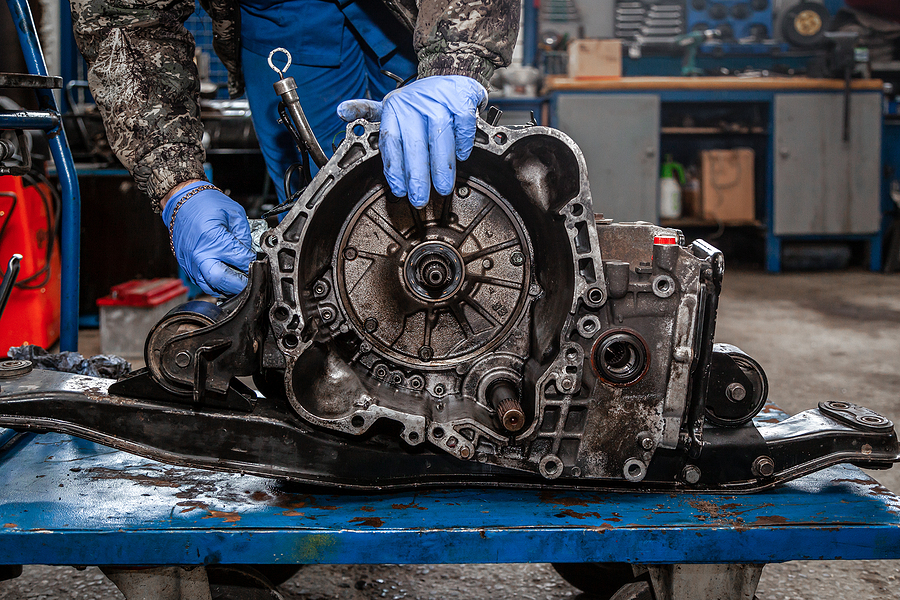
Unlike rear-wheel drive cars that use a long driveshaft to send power to the back, FWD cars use a combined transmission and differential unit called a transaxle. The transaxle connects directly to the front wheels via short drive shafts (or half-shafts). Because the front wheels are physically linked to the transaxle, they cannot spin freely without engaging the transmission’s internal components. This mechanical reality is exactly why FWD vehicles require highly specific towing methods.

The Risks of Improper FWD Towing

When you tow a vehicle with its drive wheels on the ground, the transmission system is subjected to severe stress. Automatic transmissions are especially vulnerable. They rely on hydraulic fluid that only circulates properly when the engine is running.

If you pull a FWD car with the front wheels rolling on the pavement and the engine off, the internal components will grind against each other without proper lubrication. This generates immense heat and friction. Even a short trip across town can cause your transmission to overheat and fail, leading to burned-out gears and ruined differentials. Additionally, improper towing can compromise your alignment, damage your suspension, and create serious safety hazards for other drivers on the road.

Approved Methods for Towing a FWD Vehicle

Choosing the correct equipment is the most effective way to protect your vehicle’s drivetrain. Here are the primary methods used by professionals and DIYers alike.

Flatbed Towing: The Safest Option

Flatbed towing is the safest and most highly recommended option for virtually any vehicle, especially those with front-wheel drive. Your car is pulled up onto a flat platform, keeping all four wheels completely off the ground.

Because the front wheels are stationary, there is zero stress placed on the transaxle or transmission. This method completely eliminates the risk of drivetrain damage, making it the gold standard for transporting cars securely.

Dolly Towing: When Your Front Wheels Need a Lift

A tow dolly is a small, two-wheel trailer that lifts your car’s front wheels off the pavement while allowing the rear wheels to roll behind. This is a highly effective method for FWD vehicles.

Since the rear wheels of a FWD car are free-spinning and not connected to the transmission, they can safely roll on the ground for long distances. When setting up a tow dolly, you must ensure the vehicle is perfectly centered, the ramps are securely positioned, and the front tires are strapped down tightly using heavy-duty wheel nets.

Rear-Wheel Lift Towing (Not Recommended for FWD)

Rear-wheel lift towing involves picking up the back wheels of the car and dragging the front wheels along the road. This method is highly dangerous for front-wheel drive cars. Lifting the rear wheels forces the front drive wheels to roll, triggering the exact friction and lubrication issues that destroy transmissions. Unless you have a highly specific mechanical setup or use specialized axle locks, you should avoid this method entirely.

Pre-Towing Checklist for FWD Vehicles

Taking a few minutes to prepare your vehicle before the tow truck arrives can save you from unexpected complications. Follow this simple checklist:

  • Inspect tires and brakes: Ensure the rear tires (if they will be on the ground) are properly inflated and in good condition. Disengage the parking brake completely.
  • Secure the steering wheel: If you are using a tow dolly, the steering wheel must be locked to keep the front wheels straight and prevent the car from swaying dangerously.
  • Check fluid levels: Look for any leaking transmission fluid or coolant under the car, and report this to your tow operator so they can handle the vehicle with appropriate care.
  • Ensure secure connections: Double-check all straps, safety chains, and hitches if you are performing the tow yourself.

Common Mistakes to Avoid When Towing FWD

Even well-intentioned drivers can make critical errors during a tow. Avoid these common pitfalls to keep your car intact.

The most frequent mistake is ignoring the owner’s manual. Every manufacturer provides explicit towing guidelines for your specific make and model, including maximum speeds and distance limits. Another mistake involves exceeding weight limits. If you are using a tow dolly and a personal truck, make sure your towing vehicle has the capacity to handle the weight of the car safely.

Finally, some drivers attempt complex mechanical bypasses—like trying to disconnect the driveshaft. While disconnecting a driveshaft is a common practice for towing rear-wheel drive trucks, it is rarely applicable or easy to do on a FWD transaxle. Attempting this without professional mechanical knowledge can cause severe damage.

When to Call a Professional Towing Service

While some drivers feel comfortable using a rented tow dolly, many situations require the expertise of a professional. If you are recovering a vehicle from an accident, dealing with a car stuck in poor weather conditions, or transporting a vehicle with severe mechanical failure, it is time to call for help.

Professional towing services have the right equipment—specifically flatbed trucks—to move your vehicle without risking transmission damage. They are also fully insured, meaning you have financial protection if anything goes wrong during transport. Prioritize your safety and the health of your vehicle by relying on certified operators.

Frequently Asked Questions

Can I flat tow a FWD car with all four wheels on the ground?

Generally, no. Flat towing (or “dinghy towing”) an automatic FWD car with all four wheels on the ground will usually destroy the transmission due to a lack of lubrication. Some manual transmission FWD cars can be flat towed, but you must consult your owner’s manual to confirm if this is permitted.

What happens if I tow a FWD car with the drive wheels on the ground?

The transmission components will spin without the engine running to pump lubricating fluid. This creates massive internal friction, rapidly overheating the transmission and causing severe, often irreversible damage to the gears and transaxle.

Is it always necessary to disconnect the drive shaft when towing a FWD vehicle?

No. Disconnecting the driveshaft is a technique primarily used for rear-wheel drive or four-wheel drive vehicles. For a FWD car, the safest approach is to simply lift the front drive wheels off the ground using a dolly or load the entire car onto a flatbed.

How do I know if my car is front-wheel drive?

You can usually find this information in your vehicle’s owner’s manual or by running your VIN online. If you look under the car, a FWD vehicle will have axles connecting the center transmission unit directly to the back of the front wheels, with no long driveshaft running to the rear of the car.

Final Thoughts on Protecting Your Vehicle

Proper towing is an investment in the longevity of your car. A front-wheel drive vehicle offers fantastic daily driving benefits, but its unique mechanical layout demands respect when it comes time for transport. By keeping the drive wheels off the ground and relying on flatbeds or properly secured tow dollies, you can ensure your transmission stays safe.

Always consult your owner’s manual, communicate clearly with your tow operator about your vehicle’s drivetrain, and never take shortcuts with safety.

For reliable and professional towing services in the Greater Indianapolis area, contact us today! We provide light, medium, and heavy duty tows all across Central Indiana. Request a free quote anytime.

Call Now for Immediate Service

Related Post: Best Methods for Safely Towing a Truck

Relocating Mining Trucks & Drilling Rigs

A massive mining truck or drilling rig is a tremendous asset to your operation. Moving these towering pieces of machinery from one job site to another is a highly complex task. Transporting oversized equipment presents unique physical and legal obstacles that demand meticulous attention to detail.

A simple miscalculation can lead to severe accidents, costly fines, or extensive damage to your equipment. You need a clear understanding of the logistics, safety protocols, and regulations involved before putting a multi-ton asset on the road.

This guide outlines the critical considerations you must review to safely and legally transport heavy mining equipment to its next destination.

Call 317-247-8484 For Oversized Load Towing and Drilling Rig Transport in Indiana

Understanding the Logistics of Heavy Mining Equipment Transport

Heavy hauling goes far beyond standard flatbed towing. Mining haul trucks and drilling rigs often exceed standard legal size and weight limits, placing them in a specialized category of freight. Moving them successfully requires a deep understanding of weight distribution and structural engineering.

Heavy equipment transport typically involves multi-axle modular trailers, specialized lowboys, and heavy-duty tow trucks capable of generating massive pulling power. Before the move begins, transport engineers must calculate the center of gravity for the load. They also determine if the machinery must be partially dismantled. Large mining trucks often need their beds or tires removed just to fit safely on an interstate highway.

Coordinating these details protects the structural integrity of your machinery while ensuring the transport vehicle can safely manage the immense payload.

Pre-Transport Planning: Site Surveys and Route Optimization

You cannot simply load a drilling rig onto a trailer and program a GPS to the destination. Massive loads require extensive pre-transport planning to prevent catastrophic delays.

Route optimization involves charting a specific path that accommodates the extreme dimensions of your cargo. Transport coordinators must manually review bridge weight capacities, overpass heights, turning radiuses, and potential construction zones. A route survey is often a legal requirement for superloads.

Professional heavy haulers will map out secondary routes in case of unexpected road closures. They also coordinate with local utility companies if low-hanging power lines need lifting. Taking the time to perform a thorough site and route survey guarantees your equipment will not get stranded halfway to the job site.

Safety Protocols and Specialized Towing Equipment Requirements

Securing a load that weighs tens of thousands of pounds requires strict adherence to federal safety protocols. The Federal Motor Carrier Safety Administration (FMCSA) dictates exact cargo securement rules to prevent heavy machinery from shifting or falling during transit.

Under federal guidelines, any heavy vehicle, equipment, or machinery operating on wheels or tracks that weighs 10,000 pounds or more requires a minimum of four tiedowns. These tiedowns must be affixed as close as possible to the front and rear of the vehicle. You must also lower and secure all accessory equipment, such as hydraulic shovels or drilling booms, before moving the vehicle.

The tie-down assemblies must meet strict Working Load Limit (WLL) requirements. The aggregate working load limit of all tiedowns must equal at least one-half the total weight of the machinery. Failing to meet these standards severely compromises the stability of the transport vehicle and endangers everyone on the road.

Navigating State Regulations and Oversize Load Permits

Call 317-247-8484 For Mining Equipment Transport Towing in Indiana

Every state enforces its own laws regarding heavy equipment transport. Moving machinery across state lines means you must comply with a complex web of local permit requirements.

In Indiana, for example, drivers must obtain an Oversize/Overweight (OSOW) permit from the Department of Revenue before traveling if their vehicle exceeds specific dimensions. You need an active permit if your load surpasses 80,000 pounds in gross vehicle weight, 13 feet 6 inches in height, 8 feet 6 inches in width, or 53 feet in length.

Permitted loads often require safety signage, safety flags, and escort vehicles. Extremely large superloads may even require an Indiana State Police escort to safely navigate public roads. State enforcement agencies take these rules seriously. Transporting equipment without the required permits, or violating permit guidelines, triggers severe civil penalties and immediate travel delays.

Risk Management and Insurance Considerations for High-Value Rigs

Standard commercial auto insurance policies do not adequately protect high-value mining trucks and drilling rigs during relocation. You need specialized coverage to shield your business from financial loss.

Cargo insurance provides primary financial protection for commodities damaged by fire, collision, or other road perils while in transit. Because mining equipment is highly specialized, many heavy haulers rely on Inland Marine coverage. This insurance protects movable property, owned or rented specialty rigging equipment, and cargo while it travels between job sites.

You should also review “on-hook” or riggers liability insurance. This coverage applies specifically to the loading and unloading phases of the move. It protects your machinery if a failure occurs while a crane or heavy-duty wrecker is physically lifting your equipment. Verifying these coverages ensures your multimillion-dollar assets remain fully protected from the moment they leave the ground until they are safely delivered.

Frequently Asked Questions About Mining Equipment Relocation

How do you secure heavy machinery for transport?

Heavy machinery weighing 10,000 pounds or more must be secured with a minimum of four heavy-duty tiedowns attached to designated mounting points. All articulated parts must be restrained, and all hydraulic accessories must be completely lowered to the deck.

What is a Working Load Limit (WLL)?

The Working Load Limit is the maximum safe force that a piece of cargo securement equipment, like a heavy-duty chain or strap, can withstand. Federal rules require the combined WLL of all tiedowns to equal at least 50% of the equipment’s total weight.

Do I need different permits to move equipment across state lines?

Yes. Oversize and overweight permits are issued on a state-by-state basis. A heavy haul traveling through multiple states requires approved permits from the transportation department of each state along the route.

Conclusion

Relocating massive mining trucks and drilling rigs requires heavy-duty pulling power, strict safety compliance, and flawless logistical planning. Partnering with experienced professionals ensures your valuable machinery arrives at the next work site efficiently and securely.

If you need professional interstate heavy equipment transport and towing in Indianapolis, we are here to help. We tow and transport in state and across state lines, offering the specialized equipment and local expertise needed to handle your most demanding hauling challenges. Contact us today to start planning your next heavy equipment relocation.

Give us a call to get started.

Related Post: Heavy Equipment Transport Services: Your Complete Guide

Warning Signs You Need New Brake Pads

Your brakes are the most critical safety system on your vehicle. They respond hundreds of times every single trip—slowing you down in traffic, stopping you at intersections, keeping you in control when conditions change without warning. Yet brake maintenance is one of the most commonly overlooked aspects of vehicle care.

Brake pads wear down gradually. There’s no dramatic moment when they suddenly stop working. Instead, your vehicle sends subtle—and sometimes not-so-subtle—signals that something needs attention. Learning to recognize those signals early can be the difference between a routine service appointment and a much costlier repair.

This guide breaks down the five most common warning signs that your brake pads are nearing the end of their life, along with answers to frequently asked questions about brake lifespan and replacement costs.

Call 317-247-8484 to Check Our Indianapolis Auto Parts Department for New Car Brake Pads!

High-Pitched Squealing or Screeching Sounds

That squealing sound from your brakes is intentional—and it means your pads are running low. Most brake pads are built with small metal tabs called wear indicators, or “squealers.” According to Chapel Hill Tire, these are metal tabs that protrude to the safe level of brake pad thickness. Once the pad material wears below that threshold, the metal tab makes direct contact with the rotor, producing that high-pitched squeal or screech you hear when you apply the brakes.

So, if your brakes have been singing at you lately, that’s your car’s built-in warning system doing exactly what it was designed to do. Don’t ignore it.

A few other things can cause squealing—surface rust after rain, metallic brake pad composition, or road debris caught between the pad and rotor—but if the noise is consistent, especially when you brake, worn pads are the most likely cause. Have them inspected promptly.

Grinding Metal Noises When Applying Pressure

A grinding sound means the brake pads are gone and metal is now contacting metal. Squealing gives you a warning window. Grinding means that window has closed. According to AutoZone, a grinding noise indicates metal-on-metal contact, which could mean severe damage. At this point, the friction material on the brake pad has been completely worn away, and the metal backing plate is pressing directly against the rotor.

This is a serious situation. Continued driving without addressing it can score deep grooves into your rotors, damage your calipers, and significantly compromise your ability to stop. What started as a straightforward brake pad replacement can quickly escalate into a much more expensive repair.

If you’re hearing grinding when you brake, have your vehicle seen by a mechanic as soon as possible—not next week, not after the weekend.

Looking for car brake parts in the Indianapolis area? Reach out to our new and used auto parts division for free inventory checks and sales!

Vibrating or Pulsating Brake Pedal

A pulsating pedal is a sign that your brake rotors have developed an uneven surface. Press the brake pedal and feel a rhythmic throbbing sensation under your foot? That’s your brake system telling you that something isn’t flat and smooth the way it should be.

NRS Brakes explains this clearly: the technical term is Disc Thickness Variation (DTV), which means the rotor’s braking surface has developed high spots and low spots. As the rotor spins, your brake pads are forced to ride over this uneven terrain, which creates that pulsating sensation in the pedal. If the vibration travels up through the steering wheel instead, it typically points to the front rotors. A shaking felt through the seat often signals a rear rotor issue.

The root cause is almost always excessive heat—hard stops from high speeds, riding the brakes on long descents, or a sticking caliper that creates constant friction on the rotor. Left unaddressed, the vibration gets worse and stopping performance drops.

Taking Longer to Reach a Full Stop

If your car is taking noticeably longer to stop, brake fade may be to blame. Brake fade is what happens when your braking system can no longer generate enough friction to stop your vehicle in an appropriate amount of time or distance. As Tires Plus describes it, you have to press the brake pedal farther down and for longer than before—and you can feel the difference.

It’s most common when the braking system is overworked: stop-and-go traffic, long downhill stretches, towing heavy loads, or aggressive driving. All of these scenarios generate heat faster than the system can release it. When heat buildup becomes excessive, your brakes lose their responsiveness.

Worn brake pads are a direct contributor to brake fade. Old or degraded pads lose their friction properties, meaning your car needs more pedal effort and more distance to reach a full stop. If stopping distances feel longer than usual, treat it as a safety issue and get your brakes checked.

Dashboard Warning Lights and Sensors

A brake warning light on your dashboard is not something to dismiss. Modern vehicles are equipped with electronic sensors that monitor brake pad thickness and alert you when replacement is due. PowerStop explains that some brake pads use electronic sensor wires—when the pad wears down to the minimum safe thickness, the sensor contacts the rotor and triggers a brake pad warning light on your dashboard.

Beyond the pad wear indicator, there are a few other brake-related lights to know:

  • Brake Light (!): Often signals low brake fluid, which can indicate a leak or heavily worn pads.
  • ABS Light: Points to an issue with the Anti-Lock Brake System—a separate but connected safety system.
  • Parking Brake Light: Can indicate the parking brake is still engaged, or signal a sensor fault.

PowerStop recommends replacing brake pads when thickness reaches approximately 4.5mm or below. Any thinner and stopping power becomes compromised, and rotor damage becomes a real risk. If any of these lights come on while driving, pull over safely and have your vehicle inspected before driving further.

Frequently Asked Questions

How long do brake pads typically last?

Brake pad lifespan varies significantly depending on your vehicle type, driving style, and road conditions. AutoZone puts the typical range at 30,000 to 70,000 miles. Compact sedans often see pads last toward the upper end of that range, while heavier vehicles like full-size SUVs tend to wear through pads faster. City driving, with its frequent stops, also shortens pad life compared to highway commuting.

How much does brake pad replacement cost?

The cost of brake pad replacement depends on your vehicle and the quality of the parts used. Parts alone typically run around $150 per axle on average, though this can reach approximately $300 per axle depending on the vehicle and pad type. Labor costs vary by location and shop. Investing in quality parts up front tends to reduce the frequency of future replacements.

Can I drive with worn brake pads?

Technically, yes—but it’s not safe and it will cost you more in the long run. Driving on worn pads risks damaging your rotors, which are significantly more expensive to replace. More importantly, worn pads reduce your ability to stop quickly in an emergency. Address the problem as soon as the warning signs appear.

How often should brakes be inspected?

AutoZone recommends checking your brakes every time you change your engine oil, or at least once per year. Regular inspections catch wear early, before it leads to rotor damage or safety issues.

Quick Recap:

  • Squealing or screeching when you brake — wear indicators making contact with the rotor
  • Grinding metal noise — brake pad material is gone; metal-on-metal contact occurring
  • Vibrating or pulsating pedal — uneven rotor surface (Disc Thickness Variation)
  • Longer stopping distances — brake fade caused by heat buildup or worn pads
  • Dashboard warning lights — electronic sensor alerting you to low pad thickness or brake system issues

Don’t Wait Until It’s Too Late

Brake maintenance isn’t just about avoiding expensive repairs—it’s about staying safe on the road. The warning signs above are your vehicle’s way of asking for attention. Catching them early keeps costs manageable and keeps you in control when it matters most.

Need parts for a brake job in Indianapolis? Contact Zore’s Inc. today to check our inventory of quality new and used auto parts. Our team can help you find what you need to get your vehicle stopping safely again.

Call Now to Inquire

Related Post: Stranded 101: How to Handle a Sudden Car Breakdown

National Battery Day: Safe Disposal Guide

Batteries power everything from the watch on your wrist to the car in your driveway, yet we rarely think about them until they run out of juice. National Battery Day, observed annually on February 18th, commemorates the birthday of Alessandro Volta, the Italian physicist who invented the first electric battery. While this day celebrates the technology that keeps our lives moving, it also serves as a crucial reminder to handle and dispose of these energy sources responsibly.

TL;DR & Key Takeaways:

National Battery Day is more than a history lesson; it is a call to action for environmental safety. Improper battery disposal can lead to chemical leaks, landfill fires, and soil contamination.

  • Safety First: Never throw lithium-ion or rechargeable batteries in the trash; they are fire hazards.
  • Tape Terminals: Always tape the contact points of used batteries before recycling to prevent short circuits.
  • Car Batteries: Lead-acid batteries are highly recyclable (99% rate) but contain toxic materials that require professional handling.
  • Local Options: Indianapolis residents have specific drop-off locations and services for safe disposal.

Table of Contents:

  1. Why Proper Battery Disposal Matters
  2. Tips for Safe Battery Disposal
  3. Local Disposal Options in Indianapolis
  4. Environmental Impact of Batteries
  5. Additional Resources
National Battery Day

Why Battery Recycling is Critical for the Planet

Recycling batteries prevents hazardous materials from entering the environment and allows valuable resources to be reused. When batteries end up in standard landfills, the casing can corrode over time. This allows chemicals like lead, mercury, and cadmium to leach into the soil and groundwater, posing serious health risks to humans and wildlife. Furthermore, the materials inside batteries—such as lithium, cobalt, and nickel—are finite resources.

Recycling ensures these materials are recovered and used to manufacture new products, reducing the need for destructive mining practices.

How to Handle Household Battery Disposal

Household batteries require specific handling based on their chemistry to ensure safety and environmental protection.

Alkaline Batteries (AA, AAA, C, D)

In many areas, single-use alkaline batteries are classified as non-hazardous and can technically go in the trash. However, recycling is always the superior choice to recover steel and zinc.

Lithium-ion and Rechargeable Batteries

These should never be placed in your household trash or recycling bin. These batteries power laptops, phones, and power tools. If they are crushed in a garbage truck or processing facility, they can spark and cause massive fires.

The “Tape Rule”

To prevent fires, the EPA recommends taping the exposed terminals (ends) of your batteries with clear packing tape or electrical tape. Alternatively, you can place each battery in its own plastic bag. This prevents the terminals from touching other batteries or metal objects, which can complete a circuit and generate heat or sparks.

The Importance of Car Battery Recycling

Call 317-247-8484 to Recycle an Old Car Battery in Indianapolis

Lead-acid car batteries are among the most recyclable consumer products in the world, yet they are also among the most hazardous if mishandled. A standard car battery contains lead and sulfuric acid. If dumped illegally, the acid can contaminate water sources, and the lead can cause severe neurological damage. However, the recycling system for these batteries is a circular economy success story.

According to industry data, nearly 99% of lead-acid batteries are recycled. The plastic case is crushed into pellets for new cases, the acid is neutralized or converted into sodium sulfate, and the lead is melted down to be used in new car batteries.

Battery Disposal in Indianapolis

Indianapolis provides specific resources for residents to dispose of hazardous waste safely, ensuring toxic materials stay out of local landfills.

Residents of Marion County can utilize ToxDrop sites for household hazardous waste (HHW). These locations typically operate on Saturdays.

  • Traders Point Collection Facility: Open the first Saturday of each month.
  • Perry Township Government Center: Open the second Saturday of each month.

These sites accept various battery types, including AA, AAA, and lead-acid batteries. However, carrying heavy car batteries to a drop-off center can be inconvenient. If you have old automotive batteries sitting in your garage, you may be able to turn that waste into cash.

Zore’s Inc. buys old and broken car batteries. If you are in the Indianapolis area, you can bring your used lead-acid batteries to us for safe, responsible recycling—and get paid for it. Get a free offer now.

Frequently Asked Questions

What happens if I throw a lithium battery in the trash?

Discarding lithium batteries in the trash is dangerous because they can be crushed by waste management equipment. This pressure can puncture the battery, causing it to self-ignite and start fires in garbage trucks or landfills.

Do I really need to tape my batteries?

Yes. Even a “dead” battery often retains a small amount of charge. If the positive and negative terminals touch metal or another battery, it can spark. Taping the terminals is a simple step that significantly reduces fire risk.

Can I recycle leaking batteries?

Leaking batteries are hazardous. You should not place them in standard battery recycling bins. Instead, place the leaking battery in a clear, sealable plastic bag and take it to a specialized household hazardous waste facility like a ToxDrop site.

Quick Recap:

  • Celebrate: Mark Feb 18th by gathering your dead batteries.
  • Identify: Separate single-use alkaline from lithium/rechargeable types.
  • Protect: Tape the ends of lithium and button-cell batteries.
  • Recycle: Take household batteries to a drop-off center; do not trash them.
  • Earn: Sell your old car batteries to a recycler rather than letting them sit.

A Final Thought on Energy Responsibility

Batteries give us the freedom to work, play, and travel without being tethered to a wall outlet. However, that convenience comes with a responsibility to the planet. By taking a few extra minutes to sort, tape, and recycle your batteries, you contribute to a safer environment and a more sustainable future.

If you have a used car battery collecting dust, don’t wait for it to leak. We buy old and broken car batteries in Indianapolis. Contact us today to recycle your battery responsibly and put some money back in your pocket.

Call Now

Related Post: Essential Car Battery Tips Every Car Owner Should Know

Recycling Electrical Wiring: A Guide to Get You Started

TL;DR: Recycling electrical wiring is crucial for conserving resources and reducing environmental impact. This guide covers everything from identifying recyclable materials to finding the right recycling services.

Key Takeaways:

  • Why recycle electrical wiring?
  • How to identify recyclable components
  • Finding e-waste and copper recycling services

Table of Contents:

  1. Why Is Recycling Electrical Wiring Important?
  2. What Parts of Electrical Wiring Can Be Recycled?
  3. How Do You Prepare Electrical Wiring for Recycling?
  4. Where Can You Recycle Electrical Wiring in Central Indiana?
  5. FAQs About Recycling Electrical Wiring
  6. Quick Recap
  7. Conclusion

If you’ve ever glanced at a tangle of old cables in your garage or an excess of wiring from a renovation project and wondered if it belongs in the trash, you’re not alone. While throwing it away might seem like the easiest option, those wires are often packed with valuable materials that can—and should—be given a second life. In fact, disposing of electronics and certain components in regular trash is often prohibited by state regulations because of the environmental risks they pose.

Recycling electrical wiring isn’t just about following the rules; it’s a powerful way to conserve natural resources. Inside those rubber coatings lie precious metals like copper and aluminum, which require significant amounts of energy to mine and refine from scratch. By recovering these metals, we reduce the strain on our planet and cut down on the harmful emissions associated with mining new materials.

This guide will walk you through the essentials of recycling electrical wiring. Whether you are cleaning out a home office or managing a construction site, you will learn why this process matters, how to prepare your materials safely, and exactly where to take them in Central Indiana.

Call 317-247-8484 For Copper Wire Recycling Service in Indianapolis Indiana

Why Is Recycling Electrical Wiring Important?

Recycling electrical wiring conserves valuable resources like copper, reduces landfill waste, and lowers energy consumption.

Conserving Natural Resources

Electrical wiring is a goldmine—sometimes literally, but more often figuratively—of valuable metals. Copper, the most common conductor found in wiring, is infinitely recyclable. According to the International Copper Association, recycled copper requires 85% less energy to process than producing new copper from raw ore. This massive energy saving translates directly into fewer carbon emissions and a smaller environmental footprint.

Preventing Environmental Hazards

Many older electronics and cables contain hazardous materials. When left to decompose in a landfill, the insulation and heavy metals can leach into the soil and groundwater, posing risks to local ecosystems and public health. In Indiana, state regulations (specifically Indiana Code regarding e-waste) prohibit households, small businesses, and schools from discarding covered electronic devices in the trash. While cables themselves fall into a gray area for curbside bins, they are often attached to devices that must be recycled properly.

Supporting the Circular Economy

By recycling wiring, you are contributing to a circular economy where materials are kept in use for as long as possible. The U.S. Geological Survey estimates that recycling just one million laptops saves the energy equivalent to the electricity used by more than 3,500 U.S. homes in a year. While that stat applies to whole devices, the wiring inside plays a significant role in that recovery value.

What Parts of Electrical Wiring Can Be Recycled?

Copper, aluminum, and certain plastics in electrical wiring are recyclable.

The Metal Core

The most sought-after component in electrical wiring is the metal core.

  • Copper: Highly conductive and valuable, copper is found in everything from household extension cords to heavy-duty industrial cables. It is often graded by recyclers based on purity (e.g., “bright copper” vs. oxidized wire).
  • Aluminum: Often used in power grid lines and some household wiring, aluminum is lighter and less conductive than copper but still highly recyclable.

The Insulation

The plastic or rubber coating (insulation) that protects the wire is technically recyclable, though it is harder to process than the metal. High-end recycling facilities like Zore’s Inc. in Indy use specialized granulators to strip this insulation and separate it from the metal. While you might not get paid for the plastic weight at a scrap yard, ensuring it doesn’t end up in a landfill is a key benefit of using professional e-waste services.

How Do You Prepare Electrical Wiring for Recycling?

Safely remove any insulation and separate the different metals before recycling.

Safety First

Before you start cutting or stripping wires, ensure they are completely disconnected from any power source. Never attempt to recycle wiring that is still live. Additionally, avoid burning insulation off wires. This is a dangerous, illegal practice that releases toxic fumes into the air and ruins the quality of the copper for recyclers.

Sorting Your Wires

Scrap yards and recycling centers often pay different rates for different types of wire. To maximize efficiency (and potential payout):

  • Separate by type: Keep aluminum wires separate from copper ones.
  • Separate by grade: “High grade” wire (like single-strand electrical wire) is worth more than “low grade” wire (like old holiday lights or extension cords with heavy plugs).

Stripping the Insulation

If you are taking your wire to a scrap yard to sell, you will get a better price for “bare bright” copper than for insulated wire. You can use a handheld wire stripper for small batches. However, for general e-waste recycling where profit isn’t the goal, you typically do not need to strip the wire. Facilities like Zore’s Inc. in Indianapolis accept insulated wires and handle the separation process industrially.

Where Can You Recycle Electrical Wiring in Central Indiana?

If you have a large quantity of copper wiring (from a remodel, for instance) and want to recoup some costs, search for local scrap metal recyclers. Facilities often buy insulated and bare copper wire by the pound. Be sure to call ahead to check their current buying prices and preparation requirements.

FAQs About Recycling Electrical Wiring

Is it safe to recycle electrical wiring myself?

It is safer to use professional services due to potential hazards. Burning wire to remove insulation is dangerous and illegal. Furthermore, attempting to strip large quantities of wire without proper tools can lead to injury. Professional recyclers have the machinery to handle these materials safely and efficiently.

Can I get paid for recycling copper wiring?

Yes, depending on the market value and the quantity you have. “Scrapping” is a common practice. Clean, stripped copper wire fetches the highest price, while insulated wire pays less because the yard has to do the work of separating the materials. If you have just a few cords, the payout may be negligible, making donation-based recycling a better use of time.

Can I put electrical wires in my curbside recycling bin?

Generally, no. Cords and cables are known as “tanglers” in the recycling industry. They can wrap around the gears of sorting machines at recycling facilities, causing shutdowns and equipment damage. Always take them to a designated drop-off point.

Quick Recap:

  • Recycling conserves resources: It saves huge amounts of energy compared to mining new metals.
  • Copper and aluminum are key: These metals are infinitely recyclable and highly valuable.
  • Proper preparation is essential: Sort your wires and never burn insulation.
  • Utilize local recycling services: Use Zore’s Inc. in Central Indiana to keep wires out of the landfill.

Conclusion

Recycling electrical wiring is essential for a sustainable future. It transforms what looks like junk into valuable raw materials, saving energy and protecting our local soil and water from hazardous waste. By taking the small step to sort and transport your old cables to a proper facility, you are playing a vital role in the health of our environment.

For e-waste and copper recycling services in Central Indiana, contact Zore’s today! Whether you have a garage full of old cables or industrial scrap, we can help you find the responsible solution.

Call Now to Get Started

Related Post: Recycle Copper, Save the Planet: Key Facts and Benefits

Used Transmission Costs: What to Pay and How to Avoid a Lemon

Few moments in vehicle ownership are as heart-stopping as when your transmission starts to slip or fails completely. It is the complex powerhouse of your vehicle, responsible for transferring engine power to the wheels, and replacing it is widely known as one of the most expensive auto repairs you can face. For many drivers, the quote for a brand-new or rebuilt unit can be shocking—sometimes exceeding the current value of the car itself.

This is where the used transmission market steps in as a financial lifeline. Opting for a used unit from a salvage yard or recycler can save you thousands of dollars, keeping your vehicle on the road without breaking the bank. However, buying used comes with its own set of risks. Without proper knowledge, you might end up trading one broken part for another. Understanding the costs, the necessary inspections, and the right questions to ask is vital for making a purchase that is both economical and reliable.

Call 317-247-8484 to Inquire About a Used Transmission for Sale in Indianapolis

The Price Tag: How Much Does a Used Transmission Cost?

When you start shopping for a replacement, you will likely see a wide range of prices. On average, you can expect to pay between $800 and $2,500 for a functional used transmission.

This price fluctuation isn’t random; it depends heavily on several factors, including but not limited to:

  • Vehicle Make and Model: A transmission for a common domestic sedan (like a Ford Taurus or Chevy Impala) is generally cheaper and easier to find than one for a luxury import (like a BMW or Mercedes-Benz).
  • Availability: If your car is a rare model or significantly older, finding a compatible donor vehicle in a salvage yard becomes harder, driving the price up.
  • Mileage: Lower-mileage units command a premium because they likely have more life left in them.

To put these numbers in perspective, comparing them to other options is helpful. A remanufactured transmission—one that has been factory-restored to like-new standards—typically costs between $1,300 and $3,400.

A rebuilt transmission, where a mechanic replaces only the worn parts inside your existing casing, can range from $1,500 to over $5,000 depending on the damage. Buying used offers the lowest entry price, but it requires careful vetting to ensure you are getting value for your money.

What Buyers Should Know Before Purchasing

Buying a used mechanical part is not like buying a used fender or door handle. You cannot simply look at the outside to know if it works. You need to be a detective to ensure the internal components are sound.

Crucial Inspection Tips

If you are visiting a salvage yard in person, or if the seller sends you photos, look for these indicators of health:

  • Fluid Condition: Pull the dipstick or check the fluid port. Healthy transmission fluid should be a translucent pink or red. If the fluid is dark brown, black, or smells like burnt toast, walk away. This indicates the unit has overheated or the internal clutches are burnt out.
  • Physical Damage: Inspect the casing for cracks, especially around the mounting bolt holes. A cracked case can lead to catastrophic leaks once installed.
  • Port Protection: Check if the fluid lines and openings were capped or plugged after the unit was removed. If they were left open, dirt, water, and debris could have contaminated the sensitive internal valves.

Questions to Ask the Seller

Never buy blindly. Whether you are at a counter or on the phone, ask these questions to gauge the quality of the part:

  • “What was the mileage on the donor vehicle?” Ideally, you want a unit with average or below-average mileage for its age (roughly 12,000 miles per year).
  • “Was the donor car in a front-end collision?” While a rear-ended car often has a perfectly good transmission, a severe front-end impact can damage the transmission case or the torque converter.
  • “Has this unit been dyno-tested?” Some high-end recyclers will test the transmission on a machine before selling it. While rare for standard salvage yards, it is a huge plus if available.

Understanding Warranty Options

Warranties in the used auto parts world have improved significantly. The old “tail light warranty” (guaranteed until you see the tail lights leave the parking lot) is mostly a thing of the past.

Today, reputable salvage yards typically offer a 90-day standard warranty. This protects you against a defective part—if the transmission slips or fails within three months, they will replace it or refund the purchase price.

The “Parts-Only” Caveat: It is crucial to read the fine print. Most standard used warranties are “parts-only,” meaning they do not cover the cost of labor. If you pay a mechanic $1,000 to install a transmission and it turns out to be a dud, the warranty will get you a new transmission, but you will have to pay the mechanic a second time to install the replacement. Some metal recyclers offer extended warranties that include labor coverage for an extra fee—this is often worth the investment for peace of mind.

Check Our Indy Auto Parts Store for Your Preferred Part

The Hidden Cost: Installation Considerations

The cost of the part is only half the equation. The labor to install a transmission is intensive. You should budget anywhere from $500 to $1,500 for labor at an independent shop, though dealerships may charge significantly more.

The job involves lifting the vehicle, disconnecting the driveshaft and axles, and physically wrestling a heavy component out of the engine bay. It takes a professional mechanic anywhere from 4 to 10 hours depending on the vehicle—front-wheel-drive cars are notoriously more difficult because the engine often has to be partially supported or moved.

DIY vs. Professional Installation

Unless you are an experienced home mechanic with a vehicle lift, transmission jacks, and a full suite of tools, this is generally not a DIY project. The safety risks of working under a heavy component, combined with the precision required to align the torque converter and bell housing, make it a job best left to pros.

Recommended “While You’re There” Maintenance

When installing a used transmission, do not just bolt it in and drive away. To protect your investment, most experts recommend replacing the following items during installation:

  • Front and Rear Seals: These rubber seals are cheap to buy but expensive to access later. Replace them now to prevent future leaks.
  • Transmission Filter and Pan Gasket: Start fresh with a new filter.
  • Transmission Fluid: Never reuse old fluid. Fill the unit with the manufacturer-specified fresh fluid.
  • Transmission Cooler Flush: You must flush the cooling lines in your car to ensure no debris from the old, failed transmission enters the new replacement.

Smart Savings for Your Vehicle

Choosing a used transmission is a smart economic decision that can extend the life of your vehicle without the massive price tag of a new unit. By doing your homework—checking the fluid, verifying the mileage, and securing a solid warranty—you can drive away with confidence. Remember, the goal isn’t just to find the cheapest part, but to find the healthiest part that fits your budget.

If you are looking for reliable used auto parts in Indianapolis to get your car back in gear, check out Zore’s Indy. We offer a massive inventory of quality-inspected new and used car parts, including transmissions, backed by industry-standard warranties to give you peace of mind on the road.

Call Now to Inquire

Related Post: New or Used Car Parts: Making the Right Choice

How to Keep Your High-Mileage Vehicle Running Strong

There is a special bond that forms between a driver and a car that has weathered the years together. The odometer ticking past that six-figure mark isn’t just a number—it is a testament to road trips taken, commutes conquered, and reliable service delivered. But reaching this milestone brings a shift in responsibility. The carefree maintenance schedule of a new vehicle no longer applies, and ignoring small squeaks or leaks can quickly turn into catastrophic failures.

Caring for a high-mileage vehicle doesn’t mean you need to be a mechanic, but it does require a proactive mindset. With the right attention to detail, modern engineering allows vehicles to push well beyond what was once considered their expiration date. This guide explores exactly what your aging vehicle needs to stay safe, efficient, and on the road for the long haul.

Call 317-247-8484 to Get a Free Offer From a High Mileage Vehicle Buyer in Indianapolis Indiana

Understanding High-Mileage Vehicles

What actually counts as “high mileage” has shifted over the decades. In the past, hitting 100,000 miles was often the signal to start looking for a replacement. Today, improved manufacturing tolerances and better lubricants mean that 100,000 miles is often just middle age.

While there is no strict industry standard, most experts classify a vehicle as high-mileage once it exceeds 100,000 miles. However, mileage is just one part of the story. A car with 120,000 highway miles is often in better internal condition than a car with 80,000 miles of stop-and-go city driving.

A common misconception is that high-mileage cars are inherently unreliable money pits. The truth is that while parts do wear out, a well-maintained older vehicle is often far cheaper to operate than the monthly payments on a new one. The key difference is that reliability is no longer guaranteed—it must be earned through rigorous maintenance.

Essential Maintenance Tips

Fluids are the lifeblood of your vehicle. As seals age and internal tolerances loosen, fresh fluids become the primary defense against friction and heat.

Regular Oil Changes

Oil breaks down over time, losing its ability to lubricate engine parts effectively. For high-mileage engines, this is critical because older engines often have wider gaps between moving parts. Many mechanics recommend switching to “high-mileage” oil blends, which contain special conditioners that help swell rubber seals to prevent leaks and reduce oil consumption. Sticking to a strict schedule—typically every 3,000 to 5,000 miles—is the single best thing you can do for your engine.

Coolant Flushes

Overheating is a leading cause of death for older engines. Old coolant can turn acidic, eating away at gaskets and internal metal components. A coolant flush removes rust and scale deposits that build up over time, ensuring your radiator and water pump can effectively regulate the engine’s temperature.

Transmission Fluid Changes

Transmission failure is one of the most expensive car repairs you can face. As transmission fluid ages, it becomes filled with tiny metal shavings and debris, which can cause gears to slip or shift roughly. Changing the fluid and the filter helps maintain hydraulic pressure and ensures smooth shifting.

Brake Maintenance

Safety should never be compromised. Brake fluid attracts moisture over time, which can corrode metal brake lines and calipers from the inside out. Flushing the brake fluid every two years prevents this corrosion and ensures your brakes remain responsive when you need them most.

Wanna Sell Your Old Car? Get an Instant Offer Today!

Inspecting and Replacing Key Components

Beyond fluids, specific physical components take a beating over the years. Catching these issues early prevents roadside breakdowns.

Belts and Hoses

Rubber degrades with heat and age. A timing belt snapping while you are driving can instantly destroy your engine. Inspect your belts for cracking, fraying, or glazing. Similarly, check radiator hoses for soft spots or bulges. If a hose feels brittle or overly squishy, it is time for a replacement before it bursts.

Spark Plugs

Worn spark plugs cause misfires, rough idling, and poor fuel economy. Replacing them is often an affordable maintenance task that restores engine power and efficiency. If your engine feels like it is “stumbling” during acceleration, your spark plugs are often the culprit.

Battery Health

An old battery is a gamble you don’t want to take, especially in extreme weather. Most batteries have a lifespan of three to five years. If your car struggles to turn over on a cold morning, have the battery tested immediately.

Tires

Tires are your only contact with the road. Older suspension systems may cause tires to wear unevenly. Rotate your tires every other oil change to maximize their life, and check the sidewalls for dry rot—a common issue on older cars that aren’t driven daily.

Addressing Common High-Mileage Issues

Even with perfect maintenance, age brings specific challenges. Here is how to handle them.

Oil Leaks

If you spot dark spots on your driveway, don’t ignore them. Common leak sources include the valve cover gasket and the oil pan gasket. While some minor leaks can be managed by topping off oil regularly, significant leaks can lead to low oil pressure and engine damage.

Engine Knocking

Knocking sounds can range from minor issues, like using low-octane fuel, to major problems like worn rod bearings. If you hear a persistent knocking or tapping sound that speeds up as you accelerate, consult a professional immediately.

Decreased Fuel Efficiency

If you notice you are visiting the gas pump more often, it could be a sign of a clogged fuel injector, a dirty air filter, or a failing oxygen sensor. A simple tune-up often resolves these efficiency drains.

When Repair Costs Exceed Value

This is the toughest question for any owner of an older car. A good rule of thumb—supported by financial experts like Ramsey Solutions—is that if the cost of repairs exceeds the value of the vehicle, you should replace it.

However, context matters. If a $1,500 repair keeps a paid-off car running for another two years, that is still cheaper than two years of car payments. But if you are facing a $4,000 transmission rebuild on a car worth $2,000, it might be time to say goodbye and contact a junk car buyer in the area.

When is it time to let go? If the math no longer makes sense and your vehicle has become a financial burden, you have options. Many services offer cash for junk cars, providing a hassle-free way to offload a vehicle that is costing more than it’s worth.

Driving Habits for Longevity

How you drive matters just as much as how you maintain. Treat your high-mileage vehicle with a little extra respect.

  • Warm Up Gently: Give the engine 30 seconds to circulate oil before driving, and drive gently until the temperature gauge reaches normal operating range.
  • Smooth Inputs: Avoid “jackrabbit” starts and hard braking. Sudden stress is tough on aging mounts, suspension bushings, and driveline components.
  • Listen to Your Car: Turn down the radio occasionally. New noises are your car’s way of telling you something is wrong. Catching a noise early is almost always cheaper than waiting for it to break.

The Road Ahead

Reaching high mileage is a badge of honor for any vehicle. It proves that the car was built well and, more importantly, cared for well. By staying on top of fluids, inspecting wear items, and driving with care, you can often push a vehicle well past the 200,000-mile mark.

Whether you are looking to source affordable new and used auto parts in Indianapolis to keep your reliable ride going, or deciding it’s finally time to get cash for junk cars, we are your top resource. Contact Us Today to inquire about car parts or to sell your junk car for cash on the spot.

Call Us Now

Related Post: Essential Car Battery Tips Every Car Owner Should Know