
Having leftover materials after a big electrical job or a home renovation can feel overwhelming. Scrap copper wire tends to pile up quickly, taking up valuable space in your garage or workshop. Throwing it in the trash is terrible for the environment and wastes a highly valuable resource.
Proper scrap copper wire disposal helps reduce the demand for newly mined ores. It takes significantly less energy to recycle copper than to extract it from the earth, which lowers greenhouse gas emissions and conserves natural resources. Beyond the environmental benefits, taking your scrap metal to a certified recycling center puts extra money in your pocket.
If you want to get the most out of your leftover materials, you need a solid plan. This guide will show you how to safely store your wire, sort it by grade, and comply with state and federal recycling laws. You will learn exactly how to transform a tangled mess of cables into a lucrative and environmentally responsible return.
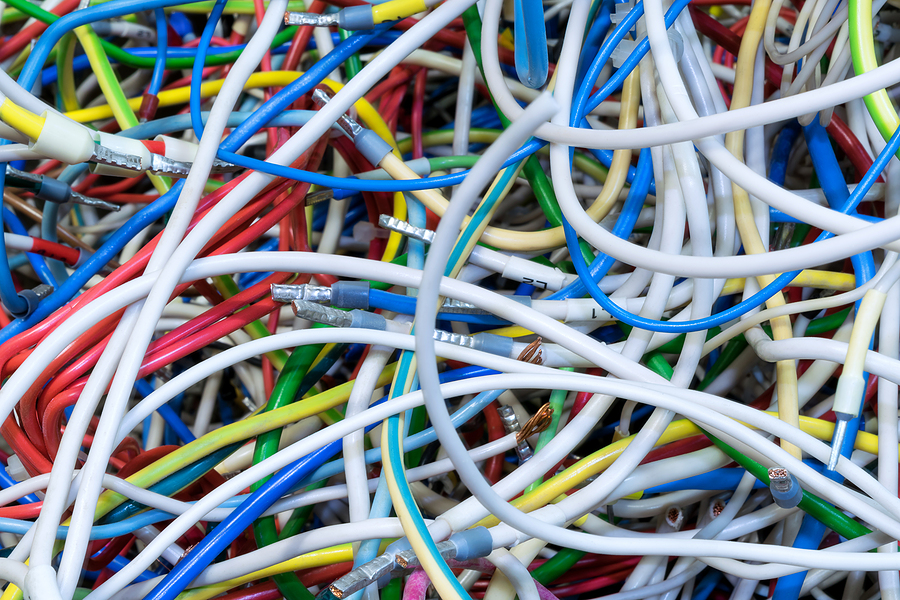
Preparing Your Scrap Copper for Disposal
Taking a pile of tangled wire straight to the scrap yard might seem like the easiest option. You will still get paid for it, but taking a little time to prepare your materials can significantly increase your payout.
Stripping Insulation for Better Value
Most copper wiring features a thick plastic or rubber coating to protect the electrical current. Scrap yards pay a premium for “bare bright” copper, which is completely free of any insulation, paint, or tarnishing.
If you have the time, stripping the insulation off your wire is highly profitable. You can use a handheld wire stripping tool for smaller batches or invest in an automatic wire stripper if you frequently handle large volumes. Always wear thick, cut-resistant gloves and safety glasses to protect yourself from sharp metal edges and flying debris.
Sorting Copper by Grade
Scrap yards classify copper into different grades, and they pay different rates for each. Mixing your high-value metal with lower-grade scrap usually results in the facility paying you the lowest rate for the entire batch.
- Grade 1 copper includes clean, unalloyed wire that is free of solder, coating, or heavy oxidation.
- Grade 2 copper might have some light tarnishing, solder, or other minor impurities.
- Insulated wire is usually graded separately based on the percentage of copper recovery.
By sorting your wire into distinct buckets or bins based on its grade, you ensure that you receive fair compensation for the highest-quality pieces.
Recycling Options for Scrap Copper Wire
Finding a reputable place to dispose of your scrap metal is crucial for getting a fair price and ensuring the materials are processed responsibly.
Local Scrap Yards and Recycling Centers
The most common disposal method is taking your materials directly to a local scrap metal yard. Look for established facilities with certified scales and transparent pricing. Building a good relationship with a reputable buyer ensures you get honest weights and fair compensation.
How to Identify Copper Prices and Grades
Metal prices fluctuate daily based on global market demand, trade policies, and economic conditions. Before you load up your truck, call a few local scrap yards to ask for their current price per pound for different copper grades. Some facilities update their prices online daily. Knowing the going rate prevents you from accepting a lowball offer and helps you decide if you should hold onto your scrap until prices rebound.
Environmental Benefits of Copper Recycling
Copper is an incredibly resilient metal that can be recycled infinitely without losing its structural integrity or electrical conductivity. Choosing to recycle your wire prevents toxic heavy metals from leaching into soil and groundwater at local landfills. Furthermore, the recycling process requires about 85% less energy than mining and refining raw copper ore, making it a critical component of global energy conservation efforts.
Safe Handling and Storage of Scrap Copper
Copper theft is a serious issue due to the high value of the metal. Proper storage protects your financial investment and keeps your work environment safe.
Preventing Accidents and Contamination
Sharp wire ends can easily cause deep cuts or puncture wounds. Always handle scrap wire with heavy-duty work gloves. Keep your scrap area clean and dry to prevent the metal from corroding or degrading in value. Exposure to harsh weather, battery acid, or chemical spills will quickly turn high-value Grade 1 copper into lower-paying Grade 2 scrap.
Proper Storage Techniques
Store your sorted copper wire in heavy-duty plastic bins, lockable steel drums, or strong wooden crates. Keep these containers in a secure, locked area like a garage or a storage shed to deter theft. If you are storing the metal outside, keep it elevated off the ground and tightly covered with a waterproof tarp to prevent water damage and oxidation.
Regulations and Compliance for Copper Disposal
The scrap metal industry is highly regulated to protect the environment and cut down on metal theft. Familiarizing yourself with these rules ensures your recycling efforts are fully compliant.
EPA Guidelines for Metal Recycling
The U.S. Environmental Protection Agency (EPA) heavily encourages metal recycling. Under current EPA guidelines, recycled scrap metal that is sent for reclamation is generally exempt from being classified as a hazardous solid waste. However, any fluids or hazardous materials mixed with the metal must be managed strictly according to federal environmental standards. Using an EPA-approved recycling facility guarantees that the metal is processed without harming the local ecosystem.
Local and State Regulations
State laws dictate how scrap yards operate and how you get paid. For example, Indiana scrap metal laws require recycling facilities to keep detailed transaction records for at least two years. When you bring your copper wire to a yard, you will need to provide a valid, government-issued photo ID.
Depending on local ordinances and the facility’s specific licensing, payouts might be regulated to check or in-store credit to prevent illicit cash transactions. Always check your local laws to know exactly what documents to bring.
FAQ Section
Can I burn the insulation off my copper wire?
No. Burning plastic or rubber insulation releases highly toxic chemicals into the air and is illegal in most areas. It also severely damages the copper, leaving it charred and heavily downgraded by scrap yards.
What is the difference between bare bright and #1 copper?
Bare bright copper is bare, uncoated, and unalloyed wire that is thicker than 16 gauge and completely free of any tarnish. #1 copper is also clean and unalloyed but may have very slight traces of oxidation or be a slightly thinner gauge.
Do I need a license to sell scrap copper?
Most casual sellers do not need a special license to sell scrap metal. You simply need a valid driver’s license or state ID. However, if you are acting as a commercial dealer or hauling massive industrial loads, you may need a local business permit.
Making Responsible Choices for Copper Disposal
Disposing of scrap copper wire properly is a rewarding process. It helps preserve the environment, reduces industrial energy consumption, and provides a great financial return for your hard work. By taking the time to strip, sort, and store your materials safely, you maximize your payout and keep hazardous waste out of local landfills.
If you are ready to turn your scrap into cash, reach out to an EPA-approved scrap copper recycling facility in Indianapolis, Indiana. Zore’s Indy pays cash on the spot for all scrap metal. Get a free quote today and make the most out of your scrap wire disposal.
Related Post: Recycle Copper, Save the Planet: Key Facts and Benefits