
Replacing a car engine is one of the biggest repairs a vehicle owner can face. New engines can cost thousands of dollars—sometimes more than the car itself is worth. A quality used engine, on the other hand, can get your vehicle back on the road at a fraction of the price.
But buying a used engine comes with real risks. The wrong purchase can leave you stuck with a part that doesn’t fit, fails prematurely, or voids your warranty. The good news? With the right knowledge and a methodical approach, you can find a reliable used engine that delivers years of dependable performance.
This guide walks you through everything you need to know—from researching compatibility to negotiating the final price.
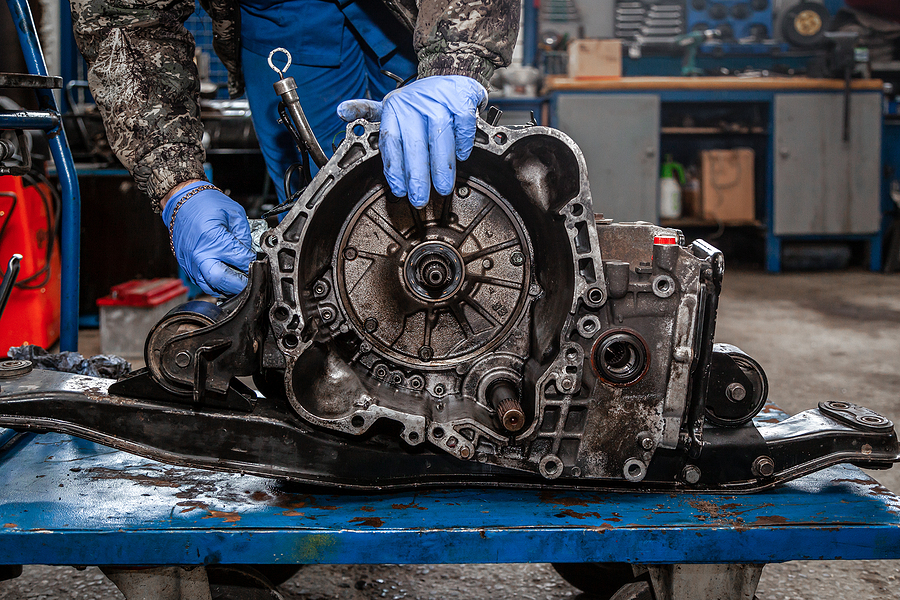
Why a Used Engine Makes Financial Sense
Cost Savings That Add Up
A new OEM (Original Equipment Manufacturer) engine can run anywhere from $4,000 to over $10,000, not including labor. A comparable used engine from a reputable salvage yard or auto recycler typically costs a fraction of that—often between $500 and $3,000 depending on the make, model, and mileage.
For vehicles that are older or have depreciated significantly, a used engine is often the only repair that makes economic sense.
An Environmentally Responsible Choice
Choosing a used engine keeps functional parts out of landfills and reduces the demand for new manufacturing. Auto recyclers recover and resell millions of usable parts each year, making the used parts market one of the more sustainable corners of the automotive industry.
Key Considerations Before You Buy
Researching Engine Compatibility
Not all engines labeled for your make and model will fit without modifications. Engine codes matter. Before you search, identify your vehicle’s exact engine code—found on the engine block itself or in your owner’s manual—and match it precisely to any used engine you’re considering. A mismatch in displacement, fuel system type, or emissions calibration can create serious problems during installation.
Checking Vehicle History and Mileage
Where did the engine come from, and how was it used? A salvage yard with proper documentation should be able to tell you the source vehicle’s mileage and, in many cases, its history. Engines pulled from vehicles involved in accidents are often structurally sound, but always confirm that the damage didn’t affect the engine bay directly.
Decoding Engine Types
Used engines are typically sold in one of three conditions:
- Used/Pull-out: Removed as-is from a donor vehicle. Most affordable but sold with limited inspection.
- Remanufactured: Fully disassembled, cleaned, and rebuilt to OEM specs. More expensive, but closer to new engine reliability.
- Rebuilt: Repaired to operational condition, but standards vary widely by seller.
Knowing the difference helps you set realistic expectations—and a realistic budget.
Where to Find Reliable Used Engines
Reputable Salvage Yards and Auto Recyclers
A licensed salvage yard or auto recycler is one of the safest places to source a used engine. Reputable yards catalog their auto parts inventory carefully, test parts where possible, and often provide limited warranties. Look for yards that are members of the Automotive Recyclers Association (ARA), which holds members to a defined code of ethics.
Online Marketplaces and Specialists
Sites like eBay Motors, Car-Part.com, and specialized engine sellers give you access to a wide national inventory. The convenience is real, but so is the risk. Stick to sellers with strong reviews, clear return policies, and verifiable contact information. Always ask for photos of the actual engine—not stock images.
Direct from Private Sellers
Buying from a private seller can mean lower prices, but it also means fewer protections. If you go this route, inspect the engine in person before committing to any payment. Bring a mechanic if you’re not confident in your own assessment.
What to Inspect Before You Buy
Visual Inspection for Damage
Look for cracks in the block, warped surfaces, or signs of overheating like discoloration and scaling. Bent or broken mounting points can complicate installation significantly.
Checking for Fluid Leaks
Oil stains, coolant residue, or heavy carbon buildup around gaskets are red flags. Some wear is expected in a used engine, but excessive leaking suggests the engine was poorly maintained or damaged before removal.
Verifying Engine Serial Numbers
Always cross-reference the serial number on the engine block with the seller’s documentation. This protects you from unknowingly purchasing a stolen part and confirms that the engine is what the seller claims it to be.
Compression Testing (If Possible)
A compression test measures the health of an engine’s cylinders. Low or uneven compression readings indicate worn rings, damaged valves, or other internal problems that will cause the engine to underperform or fail early. If a seller won’t allow a compression test, that’s worth noting.
The Purchase Process
Asking About Warranties and Guarantees
Any reputable seller should offer at least a basic warranty—typically 30 to 90 days. Some salvage yards and engine specialists offer longer coverage. Get the warranty terms in writing, and clarify what it covers: parts only, or parts and labor?
Negotiating the Price
Used engine pricing is rarely fixed. If you’ve done your research and know the going rate for a comparable engine, don’t be afraid to negotiate. Pointing out higher mileage or minor cosmetic damage is reasonable leverage.
Arranging for Shipping or Pickup
Engines are heavy—most weigh between 300 and 600 pounds. If you’re buying remotely, confirm whether shipping is included in the price or quoted separately. Freight shipping costs can add $150 to $400 depending on distance. Local pickup avoids this cost and gives you one final chance to inspect the part before it leaves the seller’s hands.
Installation and Post-Purchase Tips
Professional Installation vs. DIY
Unless you have significant mechanical experience, engine installation is best left to a professional. An improperly installed engine can cause immediate damage or create safety hazards. Factor labor costs into your total budget from the start.
Break-In Period and Maintenance
After installation, give the engine time to settle. Check fluid levels frequently during the first few weeks, monitor for unusual noises or leaks, and follow the maintenance schedule your mechanic recommends. A used engine that’s well cared for after installation can deliver tens of thousands of miles of reliable service.
Frequently Asked Questions About Used Car Engines
How long do used engines typically last?
With proper maintenance, a used engine with 80,000–100,000 miles can last another 100,000 miles or more. Longevity depends heavily on how the engine was maintained in the donor vehicle and how it’s cared for after installation.
Is it risky to buy a used engine online?
It can be, but the risk is manageable. Buy from sellers with strong reviews and clear return policies, request photos of the actual part, and verify serial numbers before completing any purchase.
What does “low mileage engine” really mean?
There’s no universal definition, but “low mileage” typically refers to engines with under 60,000–80,000 miles. Always ask for documentation and cross-reference the mileage claim against the seller’s vehicle history records where possible.
Drive Confidently with the Right Used Engine
Buying a used car engine doesn’t have to be a gamble. Take the time to research compatibility, vet your seller, and inspect the part thoroughly—and you’ll significantly improve your chances of a successful repair at a price that makes sense.
Looking for quality used or new OEM auto parts in Indianapolis? Zore’s Indy buys, sells, trades, and ships new and used OEM parts for a wide range of cars, trucks, and large commercial vehicles. Whether you need a replacement engine or any other auto part, our team is ready to help you find exactly what your vehicle needs.
Related Posts:
Rebuilt Automotive Engines and their Many Advantages
New or Used Car Parts: Making the Right Choice
How to Get the Best Used Car Parts from a Scrap Yard