
We’ve all seen them—those rusting, flat-tired eyesores that seem to sprout from the pavement like weeds. Whether it’s a tenant who moved out and left a sedan behind, or a stranger who decided your commercial parking lot was a long-term storage facility, discovering an abandoned vehicle on your private property is more than just an annoyance. It’s a liability.
While your instinct might be to call a tow truck immediately, Indiana has specific laws protecting vehicle owners that you must navigate first. Acting too rashly could land you in legal hot water. This guide breaks down the steps for legally removing unwanted vehicles from your Indiana property, ensuring you reclaim your space without inheriting a lawsuit.
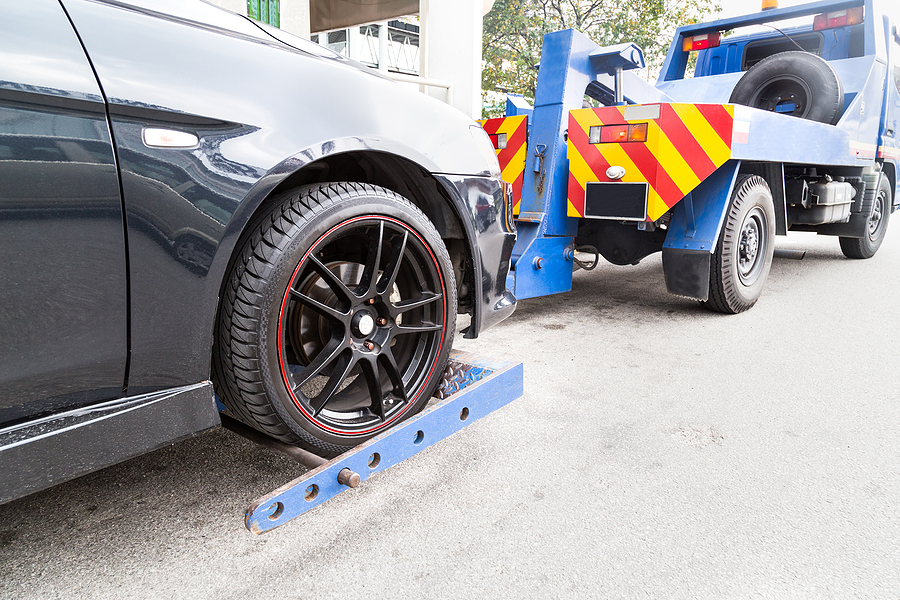
Understanding Indiana’s Abandoned Vehicle Laws
Before you call a tow truck, you need to understand what legally constitutes an “abandoned vehicle.” In Indiana, this isn’t just a matter of opinion; it’s a matter of statutes.
According to Indiana Code (IC 9-13-2-1), a vehicle on private property is generally considered abandoned if it has remained there without the consent of the owner or person in control of the property for more than 48 hours.
However, for the specific purpose of removal, Indiana Code § 9-22-1-16 offers a slightly faster timeline for property owners. It states that if a vehicle believed to be abandoned on private property is not removed 24 hours after you’ve identified it, you (the property owner or manager) may have it towed.
The “Emergency Situation” Exception
There is a notable exception to the waiting period. If the vehicle creates an “emergency situation,” it can be removed immediately. The law defines an emergency as a situation where the vehicle:
- Physically interferes with normal business operations.
- Poses a threat to the safety or security of people or property.
Local Ordinances Matter
While state law provides a baseline, local municipalities often have their own enforcement procedures. For example, in Indianapolis and Marion County, the Department of Business & Neighborhood Services (DBNS) has a specific process involving a 72-hour notification tag before a vehicle is towed as a public nuisance. Always check your city or county ordinances to ensure you aren’t violating a stricter local rule.
Initial Steps: Identification and Documentation
Before taking action, you must build a record of the abandonment. If the vehicle owner later claims you towed their car illegally, your documentation will be your best defense.
- Time-Stamp Your Discovery: Note the exact date and time you first noticed the vehicle.
- Photographic Evidence: Take clear photos of the vehicle from multiple angles. Ensure you capture the license plate, the VIN (usually visible through the windshield on the driver’s side), and the vehicle’s position relative to your property lines.
- Check for Condition: Document factors that suggest abandonment, such as flat tires, broken windows, accumulated debris, or missing plates. These details help support your claim that the vehicle is truly abandoned and not just parked temporarily.
Owner Notification
If the vehicle belongs to a tenant or someone you know, a simple conversation or written request is the best first step. However, if the car is a mystery, your obligations shift.
While you are not strictly required to play private investigator, making a reasonable effort to notify the owner can protect you from liability. If the vehicle is in a residential complex, check your tenant registry against the license plate or parking permit number if applicable.
In many jurisdictions, law enforcement or authorized towing agencies handle the formal notification once the towing process begins. For instance, when a towing service takes possession of an abandoned vehicle, they are typically required to notify the owner and lienholder (via certified mail) within a specific timeframe to establish a mechanic’s lien for storage costs.
The Removal Process
Once the required time period (typically 24 hours under state statute) has passed, you can proceed with removal.
1. Contact a Reputable Towing Company
Do not attempt to tow or move the vehicle yourself. You must use a licensed towing company or salvage yard. When you call, clearly state that you are requesting a private property impound for an abandoned vehicle.
2. Complete Necessary Authorization
The towing company will likely require you to sign a towing authorization form or a “Request for Private Property Tow.” This document affirms that you are the property owner or authorized agent and that the vehicle has been on the property without consent for the statutory period.
3. Reporting to Law Enforcement
In many Indiana jurisdictions, the towing operator is required to report the impound to local law enforcement or the Bureau of Motor Vehicles (BMV) to ensure the vehicle isn’t listed as stolen. This reporting also kicks off the official “abandoned vehicle” paperwork trail, which is crucial if the vehicle goes unclaimed and needs to be sold or scrapped.
- Note for Indianapolis Residents: If you are in Marion County, you may need to submit an affidavit to the DBNS to trigger an inspection and tagging process before a tow can occur, specifically for nuisance vehicles.
Request Private Property Towing Management in Indy ✅
Prevention Tips
Dealing with abandoned vehicles is a headache best avoided. Here are a few ways to deter unauthorized parking on your property:
- Clear Signage: Post visible signs at all entrances stating “Private Property: Unauthorized Vehicles Will Be Towed at Owner’s Expense.” Cite the towing company’s name and phone number on the sign.
- Lighting and Security: Abandoned vehicles are often dumped in dark, unmonitored corners. ample lighting and visible security cameras can deter dumping.
- Tenant Leases: If you manage a rental property, include a clear clause in your lease regarding inoperable or unregistered vehicles. Require all tenant vehicles to be registered with your office.
Conclusion
Handling abandoned vehicles requires a careful balance of patience and swift action. One misstep can lead to disputes or liability issues. Whether you manage a sprawling commercial complex or a multi-family residential unit, knowing the ins and outs of Indiana property law is essential for keeping your lot clear and compliant.
If you are dealing with persistent parking issues or need comprehensive support managing your real estate assets, professional help is available.
Need assistance with property management or towing coordination in Central Indiana? Contact our team today to streamline your operations and keep your property compliant.
Related Post: Property Management Towing in Indianapolis: A Complete Guide