
There is a special bond that forms between a driver and a car that has weathered the years together. The odometer ticking past that six-figure mark isn’t just a number—it is a testament to road trips taken, commutes conquered, and reliable service delivered. But reaching this milestone brings a shift in responsibility. The carefree maintenance schedule of a new vehicle no longer applies, and ignoring small squeaks or leaks can quickly turn into catastrophic failures.
Caring for a high-mileage vehicle doesn’t mean you need to be a mechanic, but it does require a proactive mindset. With the right attention to detail, modern engineering allows vehicles to push well beyond what was once considered their expiration date. This guide explores exactly what your aging vehicle needs to stay safe, efficient, and on the road for the long haul.
Understanding High-Mileage Vehicles
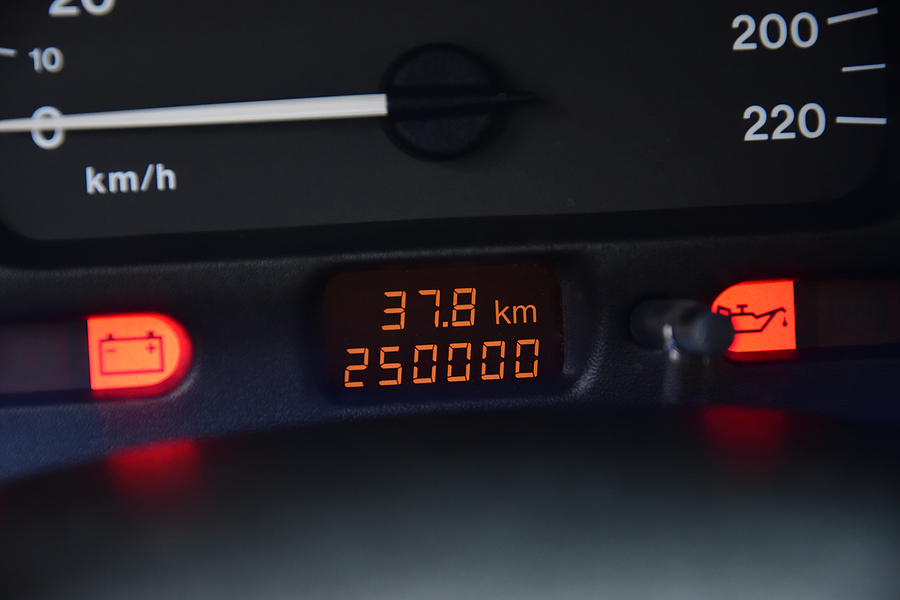
What actually counts as “high mileage” has shifted over the decades. In the past, hitting 100,000 miles was often the signal to start looking for a replacement. Today, improved manufacturing tolerances and better lubricants mean that 100,000 miles is often just middle age.
While there is no strict industry standard, most experts classify a vehicle as high-mileage once it exceeds 100,000 miles. However, mileage is just one part of the story. A car with 120,000 highway miles is often in better internal condition than a car with 80,000 miles of stop-and-go city driving.
A common misconception is that high-mileage cars are inherently unreliable money pits. The truth is that while parts do wear out, a well-maintained older vehicle is often far cheaper to operate than the monthly payments on a new one. The key difference is that reliability is no longer guaranteed—it must be earned through rigorous maintenance.
Essential Maintenance Tips
Fluids are the lifeblood of your vehicle. As seals age and internal tolerances loosen, fresh fluids become the primary defense against friction and heat.
Regular Oil Changes
Oil breaks down over time, losing its ability to lubricate engine parts effectively. For high-mileage engines, this is critical because older engines often have wider gaps between moving parts. Many mechanics recommend switching to “high-mileage” oil blends, which contain special conditioners that help swell rubber seals to prevent leaks and reduce oil consumption. Sticking to a strict schedule—typically every 3,000 to 5,000 miles—is the single best thing you can do for your engine.
Coolant Flushes
Overheating is a leading cause of death for older engines. Old coolant can turn acidic, eating away at gaskets and internal metal components. A coolant flush removes rust and scale deposits that build up over time, ensuring your radiator and water pump can effectively regulate the engine’s temperature.
Transmission Fluid Changes
Transmission failure is one of the most expensive car repairs you can face. As transmission fluid ages, it becomes filled with tiny metal shavings and debris, which can cause gears to slip or shift roughly. Changing the fluid and the filter helps maintain hydraulic pressure and ensures smooth shifting.
Brake Maintenance
Safety should never be compromised. Brake fluid attracts moisture over time, which can corrode metal brake lines and calipers from the inside out. Flushing the brake fluid every two years prevents this corrosion and ensures your brakes remain responsive when you need them most.
Wanna Sell Your Old Car? Get an Instant Offer Today! ✅
Inspecting and Replacing Key Components
Beyond fluids, specific physical components take a beating over the years. Catching these issues early prevents roadside breakdowns.
Belts and Hoses
Rubber degrades with heat and age. A timing belt snapping while you are driving can instantly destroy your engine. Inspect your belts for cracking, fraying, or glazing. Similarly, check radiator hoses for soft spots or bulges. If a hose feels brittle or overly squishy, it is time for a replacement before it bursts.
Spark Plugs
Worn spark plugs cause misfires, rough idling, and poor fuel economy. Replacing them is often an affordable maintenance task that restores engine power and efficiency. If your engine feels like it is “stumbling” during acceleration, your spark plugs are often the culprit.
Battery Health
An old battery is a gamble you don’t want to take, especially in extreme weather. Most batteries have a lifespan of three to five years. If your car struggles to turn over on a cold morning, have the battery tested immediately.
Tires
Tires are your only contact with the road. Older suspension systems may cause tires to wear unevenly. Rotate your tires every other oil change to maximize their life, and check the sidewalls for dry rot—a common issue on older cars that aren’t driven daily.
Addressing Common High-Mileage Issues
Even with perfect maintenance, age brings specific challenges. Here is how to handle them.
Oil Leaks
If you spot dark spots on your driveway, don’t ignore them. Common leak sources include the valve cover gasket and the oil pan gasket. While some minor leaks can be managed by topping off oil regularly, significant leaks can lead to low oil pressure and engine damage.
Engine Knocking
Knocking sounds can range from minor issues, like using low-octane fuel, to major problems like worn rod bearings. If you hear a persistent knocking or tapping sound that speeds up as you accelerate, consult a professional immediately.
Decreased Fuel Efficiency
If you notice you are visiting the gas pump more often, it could be a sign of a clogged fuel injector, a dirty air filter, or a failing oxygen sensor. A simple tune-up often resolves these efficiency drains.
When Repair Costs Exceed Value
This is the toughest question for any owner of an older car. A good rule of thumb—supported by financial experts like Ramsey Solutions—is that if the cost of repairs exceeds the value of the vehicle, you should replace it.
However, context matters. If a $1,500 repair keeps a paid-off car running for another two years, that is still cheaper than two years of car payments. But if you are facing a $4,000 transmission rebuild on a car worth $2,000, it might be time to say goodbye and contact a junk car buyer in the area.
When is it time to let go? If the math no longer makes sense and your vehicle has become a financial burden, you have options. Many services offer cash for junk cars, providing a hassle-free way to offload a vehicle that is costing more than it’s worth.
Driving Habits for Longevity
How you drive matters just as much as how you maintain. Treat your high-mileage vehicle with a little extra respect.
- Warm Up Gently: Give the engine 30 seconds to circulate oil before driving, and drive gently until the temperature gauge reaches normal operating range.
- Smooth Inputs: Avoid “jackrabbit” starts and hard braking. Sudden stress is tough on aging mounts, suspension bushings, and driveline components.
- Listen to Your Car: Turn down the radio occasionally. New noises are your car’s way of telling you something is wrong. Catching a noise early is almost always cheaper than waiting for it to break.
The Road Ahead
Reaching high mileage is a badge of honor for any vehicle. It proves that the car was built well and, more importantly, cared for well. By staying on top of fluids, inspecting wear items, and driving with care, you can often push a vehicle well past the 200,000-mile mark.
Whether you are looking to source affordable new and used auto parts in Indianapolis to keep your reliable ride going, or deciding it’s finally time to get cash for junk cars, we are your top resource. Contact Us Today to inquire about car parts or to sell your junk car for cash on the spot.
Related Post: Essential Car Battery Tips Every Car Owner Should Know