
Batteries power everything from the watch on your wrist to the car in your driveway, yet we rarely think about them until they run out of juice. National Battery Day, observed annually on February 18th, commemorates the birthday of Alessandro Volta, the Italian physicist who invented the first electric battery. While this day celebrates the technology that keeps our lives moving, it also serves as a crucial reminder to handle and dispose of these energy sources responsibly.
TL;DR & Key Takeaways:
National Battery Day is more than a history lesson; it is a call to action for environmental safety. Improper battery disposal can lead to chemical leaks, landfill fires, and soil contamination.
- Safety First: Never throw lithium-ion or rechargeable batteries in the trash; they are fire hazards.
- Tape Terminals: Always tape the contact points of used batteries before recycling to prevent short circuits.
- Car Batteries: Lead-acid batteries are highly recyclable (99% rate) but contain toxic materials that require professional handling.
- Local Options: Indianapolis residents have specific drop-off locations and services for safe disposal.
Table of Contents:
- Why Proper Battery Disposal Matters
- Tips for Safe Battery Disposal
- Local Disposal Options in Indianapolis
- Environmental Impact of Batteries
- Additional Resources
Why Battery Recycling is Critical for the Planet
Recycling batteries prevents hazardous materials from entering the environment and allows valuable resources to be reused. When batteries end up in standard landfills, the casing can corrode over time. This allows chemicals like lead, mercury, and cadmium to leach into the soil and groundwater, posing serious health risks to humans and wildlife. Furthermore, the materials inside batteries—such as lithium, cobalt, and nickel—are finite resources.
Recycling ensures these materials are recovered and used to manufacture new products, reducing the need for destructive mining practices.
How to Handle Household Battery Disposal
Household batteries require specific handling based on their chemistry to ensure safety and environmental protection.
Alkaline Batteries (AA, AAA, C, D)
In many areas, single-use alkaline batteries are classified as non-hazardous and can technically go in the trash. However, recycling is always the superior choice to recover steel and zinc.
Lithium-ion and Rechargeable Batteries
These should never be placed in your household trash or recycling bin. These batteries power laptops, phones, and power tools. If they are crushed in a garbage truck or processing facility, they can spark and cause massive fires.
The “Tape Rule”
To prevent fires, the EPA recommends taping the exposed terminals (ends) of your batteries with clear packing tape or electrical tape. Alternatively, you can place each battery in its own plastic bag. This prevents the terminals from touching other batteries or metal objects, which can complete a circuit and generate heat or sparks.
The Importance of Car Battery Recycling
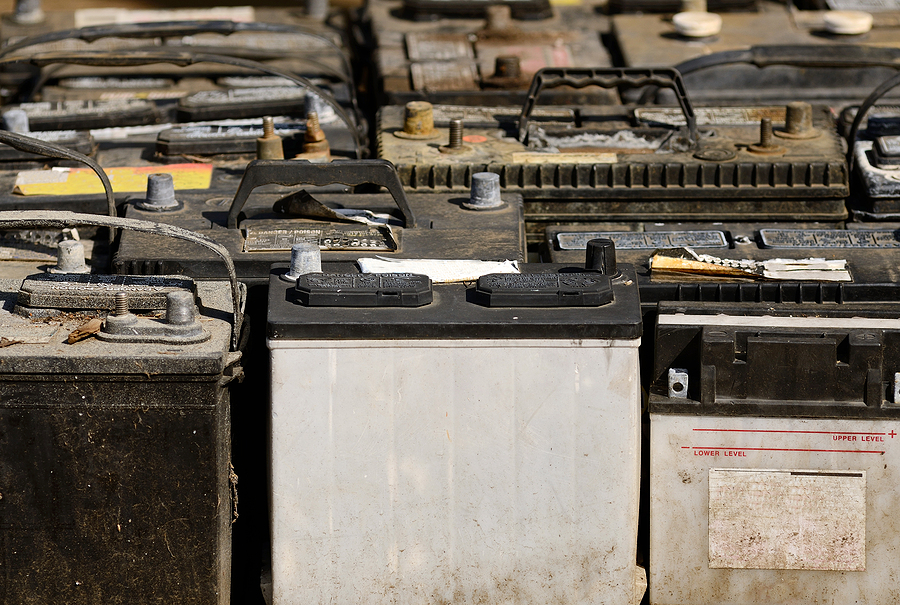
Lead-acid car batteries are among the most recyclable consumer products in the world, yet they are also among the most hazardous if mishandled. A standard car battery contains lead and sulfuric acid. If dumped illegally, the acid can contaminate water sources, and the lead can cause severe neurological damage. However, the recycling system for these batteries is a circular economy success story.
According to industry data, nearly 99% of lead-acid batteries are recycled. The plastic case is crushed into pellets for new cases, the acid is neutralized or converted into sodium sulfate, and the lead is melted down to be used in new car batteries.
Battery Disposal in Indianapolis
Indianapolis provides specific resources for residents to dispose of hazardous waste safely, ensuring toxic materials stay out of local landfills.
Residents of Marion County can utilize ToxDrop sites for household hazardous waste (HHW). These locations typically operate on Saturdays.
- Traders Point Collection Facility: Open the first Saturday of each month.
- Perry Township Government Center: Open the second Saturday of each month.
These sites accept various battery types, including AA, AAA, and lead-acid batteries. However, carrying heavy car batteries to a drop-off center can be inconvenient. If you have old automotive batteries sitting in your garage, you may be able to turn that waste into cash.
Zore’s Inc. buys old and broken car batteries. If you are in the Indianapolis area, you can bring your used lead-acid batteries to us for safe, responsible recycling—and get paid for it. Get a free offer now.
Frequently Asked Questions
What happens if I throw a lithium battery in the trash?
Discarding lithium batteries in the trash is dangerous because they can be crushed by waste management equipment. This pressure can puncture the battery, causing it to self-ignite and start fires in garbage trucks or landfills.
Do I really need to tape my batteries?
Yes. Even a “dead” battery often retains a small amount of charge. If the positive and negative terminals touch metal or another battery, it can spark. Taping the terminals is a simple step that significantly reduces fire risk.
Can I recycle leaking batteries?
Leaking batteries are hazardous. You should not place them in standard battery recycling bins. Instead, place the leaking battery in a clear, sealable plastic bag and take it to a specialized household hazardous waste facility like a ToxDrop site.
Quick Recap:
- Celebrate: Mark Feb 18th by gathering your dead batteries.
- Identify: Separate single-use alkaline from lithium/rechargeable types.
- Protect: Tape the ends of lithium and button-cell batteries.
- Recycle: Take household batteries to a drop-off center; do not trash them.
- Earn: Sell your old car batteries to a recycler rather than letting them sit.
A Final Thought on Energy Responsibility
Batteries give us the freedom to work, play, and travel without being tethered to a wall outlet. However, that convenience comes with a responsibility to the planet. By taking a few extra minutes to sort, tape, and recycle your batteries, you contribute to a safer environment and a more sustainable future.
If you have a used car battery collecting dust, don’t wait for it to leak. We buy old and broken car batteries in Indianapolis. Contact us today to recycle your battery responsibly and put some money back in your pocket.
Related Post: Essential Car Battery Tips Every Car Owner Should Know