
A massive mining truck or drilling rig is a tremendous asset to your operation. Moving these towering pieces of machinery from one job site to another is a highly complex task. Transporting oversized equipment presents unique physical and legal obstacles that demand meticulous attention to detail.
A simple miscalculation can lead to severe accidents, costly fines, or extensive damage to your equipment. You need a clear understanding of the logistics, safety protocols, and regulations involved before putting a multi-ton asset on the road.
This guide outlines the critical considerations you must review to safely and legally transport heavy mining equipment to its next destination.
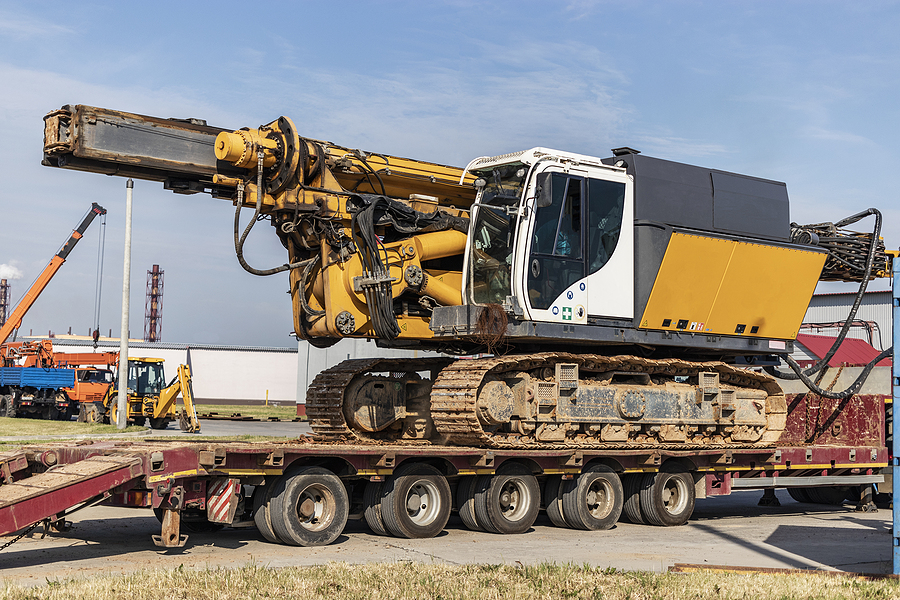
Understanding the Logistics of Heavy Mining Equipment Transport
Heavy hauling goes far beyond standard flatbed towing. Mining haul trucks and drilling rigs often exceed standard legal size and weight limits, placing them in a specialized category of freight. Moving them successfully requires a deep understanding of weight distribution and structural engineering.
Heavy equipment transport typically involves multi-axle modular trailers, specialized lowboys, and heavy-duty tow trucks capable of generating massive pulling power. Before the move begins, transport engineers must calculate the center of gravity for the load. They also determine if the machinery must be partially dismantled. Large mining trucks often need their beds or tires removed just to fit safely on an interstate highway.
Coordinating these details protects the structural integrity of your machinery while ensuring the transport vehicle can safely manage the immense payload.
Pre-Transport Planning: Site Surveys and Route Optimization
You cannot simply load a drilling rig onto a trailer and program a GPS to the destination. Massive loads require extensive pre-transport planning to prevent catastrophic delays.
Route optimization involves charting a specific path that accommodates the extreme dimensions of your cargo. Transport coordinators must manually review bridge weight capacities, overpass heights, turning radiuses, and potential construction zones. A route survey is often a legal requirement for superloads.
Professional heavy haulers will map out secondary routes in case of unexpected road closures. They also coordinate with local utility companies if low-hanging power lines need lifting. Taking the time to perform a thorough site and route survey guarantees your equipment will not get stranded halfway to the job site.
Safety Protocols and Specialized Towing Equipment Requirements
Securing a load that weighs tens of thousands of pounds requires strict adherence to federal safety protocols. The Federal Motor Carrier Safety Administration (FMCSA) dictates exact cargo securement rules to prevent heavy machinery from shifting or falling during transit.
Under federal guidelines, any heavy vehicle, equipment, or machinery operating on wheels or tracks that weighs 10,000 pounds or more requires a minimum of four tiedowns. These tiedowns must be affixed as close as possible to the front and rear of the vehicle. You must also lower and secure all accessory equipment, such as hydraulic shovels or drilling booms, before moving the vehicle.
The tie-down assemblies must meet strict Working Load Limit (WLL) requirements. The aggregate working load limit of all tiedowns must equal at least one-half the total weight of the machinery. Failing to meet these standards severely compromises the stability of the transport vehicle and endangers everyone on the road.
Navigating State Regulations and Oversize Load Permits
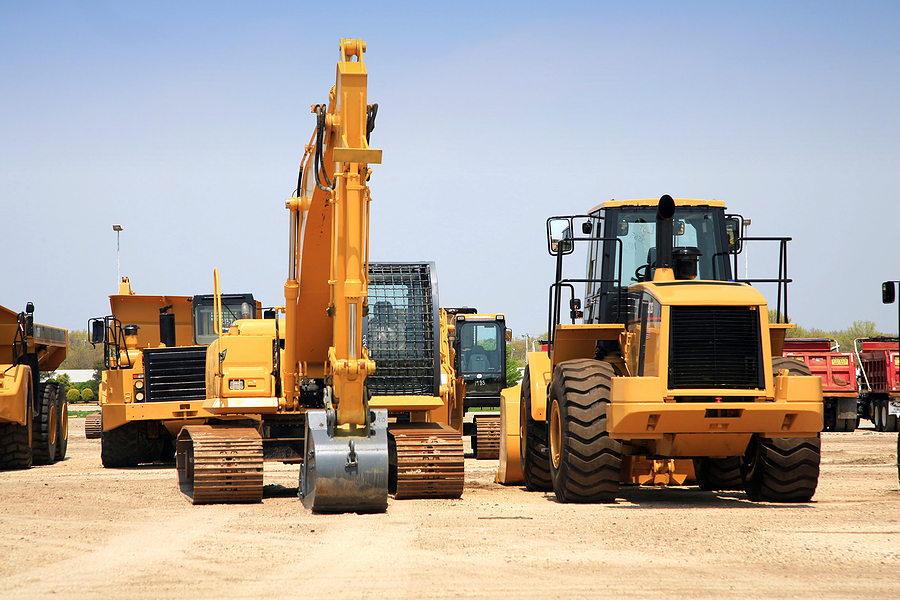
Every state enforces its own laws regarding heavy equipment transport. Moving machinery across state lines means you must comply with a complex web of local permit requirements.
In Indiana, for example, drivers must obtain an Oversize/Overweight (OSOW) permit from the Department of Revenue before traveling if their vehicle exceeds specific dimensions. You need an active permit if your load surpasses 80,000 pounds in gross vehicle weight, 13 feet 6 inches in height, 8 feet 6 inches in width, or 53 feet in length.
Permitted loads often require safety signage, safety flags, and escort vehicles. Extremely large superloads may even require an Indiana State Police escort to safely navigate public roads. State enforcement agencies take these rules seriously. Transporting equipment without the required permits, or violating permit guidelines, triggers severe civil penalties and immediate travel delays.
Risk Management and Insurance Considerations for High-Value Rigs
Standard commercial auto insurance policies do not adequately protect high-value mining trucks and drilling rigs during relocation. You need specialized coverage to shield your business from financial loss.
Cargo insurance provides primary financial protection for commodities damaged by fire, collision, or other road perils while in transit. Because mining equipment is highly specialized, many heavy haulers rely on Inland Marine coverage. This insurance protects movable property, owned or rented specialty rigging equipment, and cargo while it travels between job sites.
You should also review “on-hook” or riggers liability insurance. This coverage applies specifically to the loading and unloading phases of the move. It protects your machinery if a failure occurs while a crane or heavy-duty wrecker is physically lifting your equipment. Verifying these coverages ensures your multimillion-dollar assets remain fully protected from the moment they leave the ground until they are safely delivered.
Frequently Asked Questions About Mining Equipment Relocation
How do you secure heavy machinery for transport?
Heavy machinery weighing 10,000 pounds or more must be secured with a minimum of four heavy-duty tiedowns attached to designated mounting points. All articulated parts must be restrained, and all hydraulic accessories must be completely lowered to the deck.
What is a Working Load Limit (WLL)?
The Working Load Limit is the maximum safe force that a piece of cargo securement equipment, like a heavy-duty chain or strap, can withstand. Federal rules require the combined WLL of all tiedowns to equal at least 50% of the equipment’s total weight.
Do I need different permits to move equipment across state lines?
Yes. Oversize and overweight permits are issued on a state-by-state basis. A heavy haul traveling through multiple states requires approved permits from the transportation department of each state along the route.
Conclusion
Relocating massive mining trucks and drilling rigs requires heavy-duty pulling power, strict safety compliance, and flawless logistical planning. Partnering with experienced professionals ensures your valuable machinery arrives at the next work site efficiently and securely.
If you need professional interstate heavy equipment transport and towing in Indianapolis, we are here to help. We tow and transport in state and across state lines, offering the specialized equipment and local expertise needed to handle your most demanding hauling challenges. Contact us today to start planning your next heavy equipment relocation.
Give us a call to get started.
Related Post: Heavy Equipment Transport Services: Your Complete Guide