
Few moments in vehicle ownership are as heart-stopping as when your transmission starts to slip or fails completely. It is the complex powerhouse of your vehicle, responsible for transferring engine power to the wheels, and replacing it is widely known as one of the most expensive auto repairs you can face. For many drivers, the quote for a brand-new or rebuilt unit can be shocking—sometimes exceeding the current value of the car itself.
This is where the used transmission market steps in as a financial lifeline. Opting for a used unit from a salvage yard or recycler can save you thousands of dollars, keeping your vehicle on the road without breaking the bank. However, buying used comes with its own set of risks. Without proper knowledge, you might end up trading one broken part for another. Understanding the costs, the necessary inspections, and the right questions to ask is vital for making a purchase that is both economical and reliable.
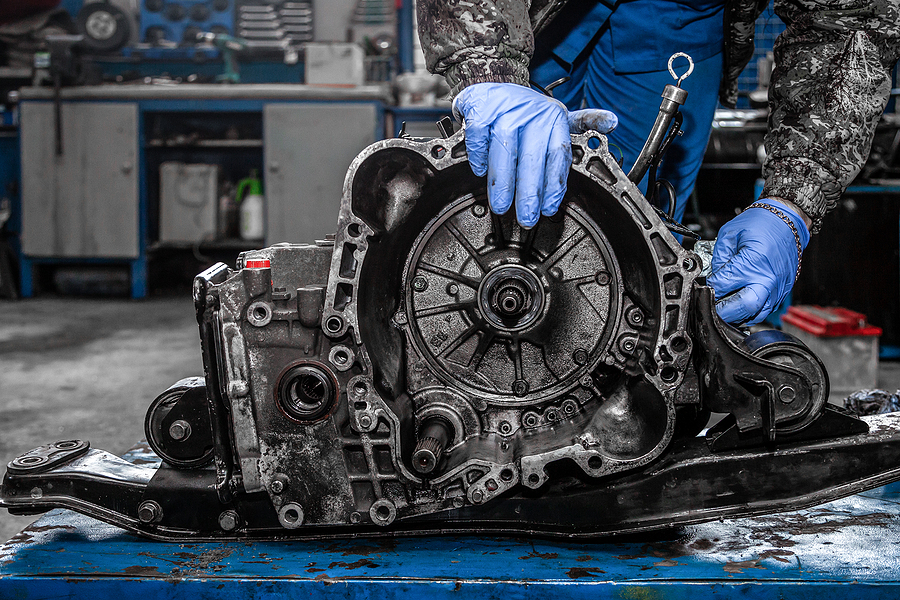
The Price Tag: How Much Does a Used Transmission Cost?
When you start shopping for a replacement, you will likely see a wide range of prices. On average, you can expect to pay between $800 and $2,500 for a functional used transmission.
This price fluctuation isn’t random; it depends heavily on several factors, including but not limited to:
- Vehicle Make and Model: A transmission for a common domestic sedan (like a Ford Taurus or Chevy Impala) is generally cheaper and easier to find than one for a luxury import (like a BMW or Mercedes-Benz).
- Availability: If your car is a rare model or significantly older, finding a compatible donor vehicle in a salvage yard becomes harder, driving the price up.
- Mileage: Lower-mileage units command a premium because they likely have more life left in them.
To put these numbers in perspective, comparing them to other options is helpful. A remanufactured transmission—one that has been factory-restored to like-new standards—typically costs between $1,300 and $3,400.
A rebuilt transmission, where a mechanic replaces only the worn parts inside your existing casing, can range from $1,500 to over $5,000 depending on the damage. Buying used offers the lowest entry price, but it requires careful vetting to ensure you are getting value for your money.
What Buyers Should Know Before Purchasing
Buying a used mechanical part is not like buying a used fender or door handle. You cannot simply look at the outside to know if it works. You need to be a detective to ensure the internal components are sound.
Crucial Inspection Tips
If you are visiting a salvage yard in person, or if the seller sends you photos, look for these indicators of health:
- Fluid Condition: Pull the dipstick or check the fluid port. Healthy transmission fluid should be a translucent pink or red. If the fluid is dark brown, black, or smells like burnt toast, walk away. This indicates the unit has overheated or the internal clutches are burnt out.
- Physical Damage: Inspect the casing for cracks, especially around the mounting bolt holes. A cracked case can lead to catastrophic leaks once installed.
- Port Protection: Check if the fluid lines and openings were capped or plugged after the unit was removed. If they were left open, dirt, water, and debris could have contaminated the sensitive internal valves.
Questions to Ask the Seller
Never buy blindly. Whether you are at a counter or on the phone, ask these questions to gauge the quality of the part:
- “What was the mileage on the donor vehicle?” Ideally, you want a unit with average or below-average mileage for its age (roughly 12,000 miles per year).
- “Was the donor car in a front-end collision?” While a rear-ended car often has a perfectly good transmission, a severe front-end impact can damage the transmission case or the torque converter.
- “Has this unit been dyno-tested?” Some high-end recyclers will test the transmission on a machine before selling it. While rare for standard salvage yards, it is a huge plus if available.
Understanding Warranty Options
Warranties in the used auto parts world have improved significantly. The old “tail light warranty” (guaranteed until you see the tail lights leave the parking lot) is mostly a thing of the past.
Today, reputable salvage yards typically offer a 90-day standard warranty. This protects you against a defective part—if the transmission slips or fails within three months, they will replace it or refund the purchase price.
The “Parts-Only” Caveat: It is crucial to read the fine print. Most standard used warranties are “parts-only,” meaning they do not cover the cost of labor. If you pay a mechanic $1,000 to install a transmission and it turns out to be a dud, the warranty will get you a new transmission, but you will have to pay the mechanic a second time to install the replacement. Some metal recyclers offer extended warranties that include labor coverage for an extra fee—this is often worth the investment for peace of mind.
Check Our Indy Auto Parts Store for Your Preferred Part ✅
The Hidden Cost: Installation Considerations
The cost of the part is only half the equation. The labor to install a transmission is intensive. You should budget anywhere from $500 to $1,500 for labor at an independent shop, though dealerships may charge significantly more.
The job involves lifting the vehicle, disconnecting the driveshaft and axles, and physically wrestling a heavy component out of the engine bay. It takes a professional mechanic anywhere from 4 to 10 hours depending on the vehicle—front-wheel-drive cars are notoriously more difficult because the engine often has to be partially supported or moved.
DIY vs. Professional Installation
Unless you are an experienced home mechanic with a vehicle lift, transmission jacks, and a full suite of tools, this is generally not a DIY project. The safety risks of working under a heavy component, combined with the precision required to align the torque converter and bell housing, make it a job best left to pros.
Recommended “While You’re There” Maintenance
When installing a used transmission, do not just bolt it in and drive away. To protect your investment, most experts recommend replacing the following items during installation:
- Front and Rear Seals: These rubber seals are cheap to buy but expensive to access later. Replace them now to prevent future leaks.
- Transmission Filter and Pan Gasket: Start fresh with a new filter.
- Transmission Fluid: Never reuse old fluid. Fill the unit with the manufacturer-specified fresh fluid.
- Transmission Cooler Flush: You must flush the cooling lines in your car to ensure no debris from the old, failed transmission enters the new replacement.
Smart Savings for Your Vehicle
Choosing a used transmission is a smart economic decision that can extend the life of your vehicle without the massive price tag of a new unit. By doing your homework—checking the fluid, verifying the mileage, and securing a solid warranty—you can drive away with confidence. Remember, the goal isn’t just to find the cheapest part, but to find the healthiest part that fits your budget.
If you are looking for reliable used auto parts in Indianapolis to get your car back in gear, check out Zore’s Indy. We offer a massive inventory of quality-inspected new and used car parts, including transmissions, backed by industry-standard warranties to give you peace of mind on the road.
Related Post: New or Used Car Parts: Making the Right Choice