
Your brakes are the most critical safety system on your vehicle. They respond hundreds of times every single trip—slowing you down in traffic, stopping you at intersections, keeping you in control when conditions change without warning. Yet brake maintenance is one of the most commonly overlooked aspects of vehicle care.
Brake pads wear down gradually. There’s no dramatic moment when they suddenly stop working. Instead, your vehicle sends subtle—and sometimes not-so-subtle—signals that something needs attention. Learning to recognize those signals early can be the difference between a routine service appointment and a much costlier repair.
This guide breaks down the five most common warning signs that your brake pads are nearing the end of their life, along with answers to frequently asked questions about brake lifespan and replacement costs.
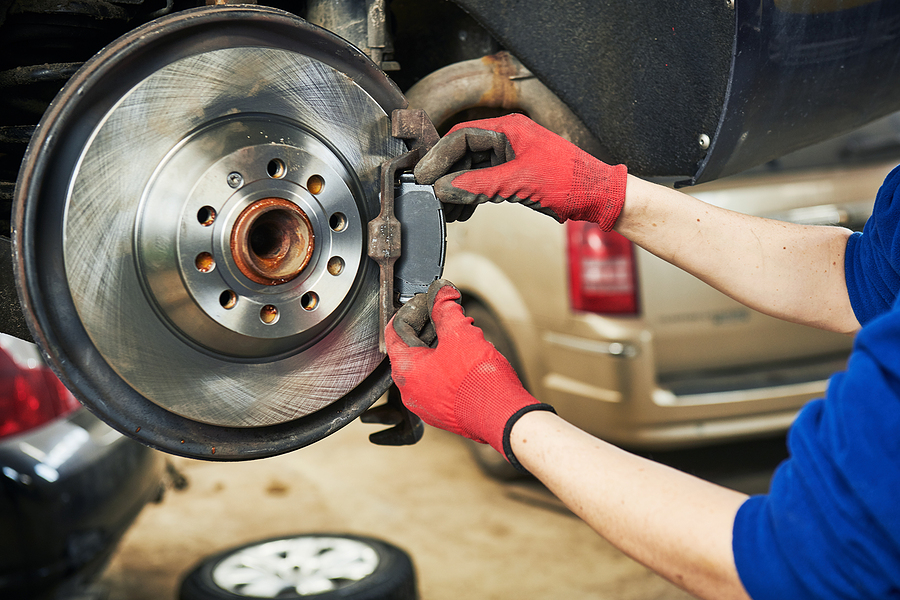
High-Pitched Squealing or Screeching Sounds
That squealing sound from your brakes is intentional—and it means your pads are running low. Most brake pads are built with small metal tabs called wear indicators, or “squealers.” According to Chapel Hill Tire, these are metal tabs that protrude to the safe level of brake pad thickness. Once the pad material wears below that threshold, the metal tab makes direct contact with the rotor, producing that high-pitched squeal or screech you hear when you apply the brakes.
So, if your brakes have been singing at you lately, that’s your car’s built-in warning system doing exactly what it was designed to do. Don’t ignore it.
A few other things can cause squealing—surface rust after rain, metallic brake pad composition, or road debris caught between the pad and rotor—but if the noise is consistent, especially when you brake, worn pads are the most likely cause. Have them inspected promptly.
Grinding Metal Noises When Applying Pressure
A grinding sound means the brake pads are gone and metal is now contacting metal. Squealing gives you a warning window. Grinding means that window has closed. According to AutoZone, a grinding noise indicates metal-on-metal contact, which could mean severe damage. At this point, the friction material on the brake pad has been completely worn away, and the metal backing plate is pressing directly against the rotor.
This is a serious situation. Continued driving without addressing it can score deep grooves into your rotors, damage your calipers, and significantly compromise your ability to stop. What started as a straightforward brake pad replacement can quickly escalate into a much more expensive repair.
If you’re hearing grinding when you brake, have your vehicle seen by a mechanic as soon as possible—not next week, not after the weekend.
Looking for car brake parts in the Indianapolis area? Reach out to our new and used auto parts division for free inventory checks and sales!
Vibrating or Pulsating Brake Pedal
A pulsating pedal is a sign that your brake rotors have developed an uneven surface. Press the brake pedal and feel a rhythmic throbbing sensation under your foot? That’s your brake system telling you that something isn’t flat and smooth the way it should be.
NRS Brakes explains this clearly: the technical term is Disc Thickness Variation (DTV), which means the rotor’s braking surface has developed high spots and low spots. As the rotor spins, your brake pads are forced to ride over this uneven terrain, which creates that pulsating sensation in the pedal. If the vibration travels up through the steering wheel instead, it typically points to the front rotors. A shaking felt through the seat often signals a rear rotor issue.
The root cause is almost always excessive heat—hard stops from high speeds, riding the brakes on long descents, or a sticking caliper that creates constant friction on the rotor. Left unaddressed, the vibration gets worse and stopping performance drops.
Taking Longer to Reach a Full Stop
If your car is taking noticeably longer to stop, brake fade may be to blame. Brake fade is what happens when your braking system can no longer generate enough friction to stop your vehicle in an appropriate amount of time or distance. As Tires Plus describes it, you have to press the brake pedal farther down and for longer than before—and you can feel the difference.
It’s most common when the braking system is overworked: stop-and-go traffic, long downhill stretches, towing heavy loads, or aggressive driving. All of these scenarios generate heat faster than the system can release it. When heat buildup becomes excessive, your brakes lose their responsiveness.
Worn brake pads are a direct contributor to brake fade. Old or degraded pads lose their friction properties, meaning your car needs more pedal effort and more distance to reach a full stop. If stopping distances feel longer than usual, treat it as a safety issue and get your brakes checked.
Dashboard Warning Lights and Sensors
A brake warning light on your dashboard is not something to dismiss. Modern vehicles are equipped with electronic sensors that monitor brake pad thickness and alert you when replacement is due. PowerStop explains that some brake pads use electronic sensor wires—when the pad wears down to the minimum safe thickness, the sensor contacts the rotor and triggers a brake pad warning light on your dashboard.
Beyond the pad wear indicator, there are a few other brake-related lights to know:
- Brake Light (!): Often signals low brake fluid, which can indicate a leak or heavily worn pads.
- ABS Light: Points to an issue with the Anti-Lock Brake System—a separate but connected safety system.
- Parking Brake Light: Can indicate the parking brake is still engaged, or signal a sensor fault.
PowerStop recommends replacing brake pads when thickness reaches approximately 4.5mm or below. Any thinner and stopping power becomes compromised, and rotor damage becomes a real risk. If any of these lights come on while driving, pull over safely and have your vehicle inspected before driving further.
Frequently Asked Questions
How long do brake pads typically last?
Brake pad lifespan varies significantly depending on your vehicle type, driving style, and road conditions. AutoZone puts the typical range at 30,000 to 70,000 miles. Compact sedans often see pads last toward the upper end of that range, while heavier vehicles like full-size SUVs tend to wear through pads faster. City driving, with its frequent stops, also shortens pad life compared to highway commuting.
How much does brake pad replacement cost?
The cost of brake pad replacement depends on your vehicle and the quality of the parts used. Parts alone typically run around $150 per axle on average, though this can reach approximately $300 per axle depending on the vehicle and pad type. Labor costs vary by location and shop. Investing in quality parts up front tends to reduce the frequency of future replacements.
Can I drive with worn brake pads?
Technically, yes—but it’s not safe and it will cost you more in the long run. Driving on worn pads risks damaging your rotors, which are significantly more expensive to replace. More importantly, worn pads reduce your ability to stop quickly in an emergency. Address the problem as soon as the warning signs appear.
How often should brakes be inspected?
AutoZone recommends checking your brakes every time you change your engine oil, or at least once per year. Regular inspections catch wear early, before it leads to rotor damage or safety issues.
Quick Recap:
- Squealing or screeching when you brake — wear indicators making contact with the rotor
- Grinding metal noise — brake pad material is gone; metal-on-metal contact occurring
- Vibrating or pulsating pedal — uneven rotor surface (Disc Thickness Variation)
- Longer stopping distances — brake fade caused by heat buildup or worn pads
- Dashboard warning lights — electronic sensor alerting you to low pad thickness or brake system issues
Don’t Wait Until It’s Too Late
Brake maintenance isn’t just about avoiding expensive repairs—it’s about staying safe on the road. The warning signs above are your vehicle’s way of asking for attention. Catching them early keeps costs manageable and keeps you in control when it matters most.
Need parts for a brake job in Indianapolis? Contact Zore’s Inc. today to check our inventory of quality new and used auto parts. Our team can help you find what you need to get your vehicle stopping safely again.
Related Post: Stranded 101: How to Handle a Sudden Car Breakdown