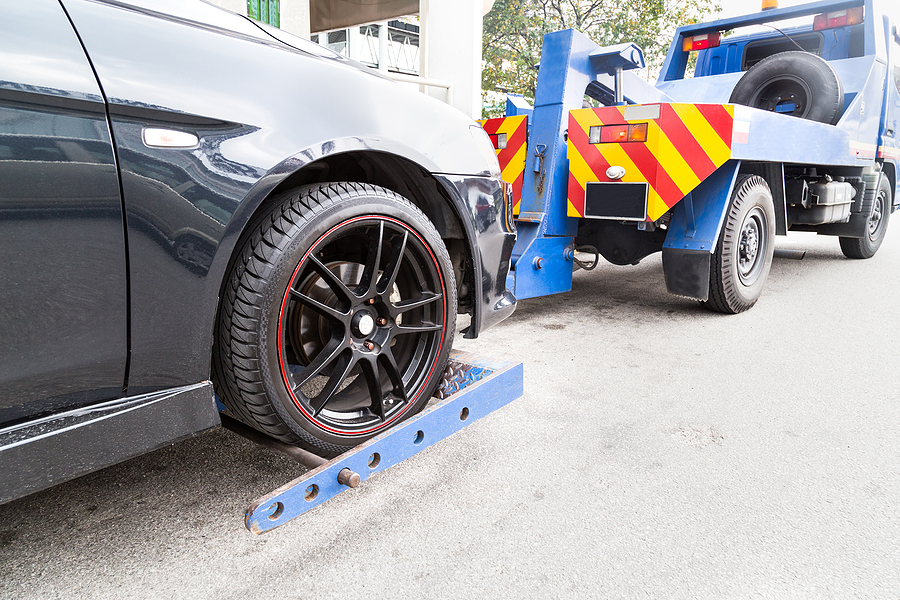
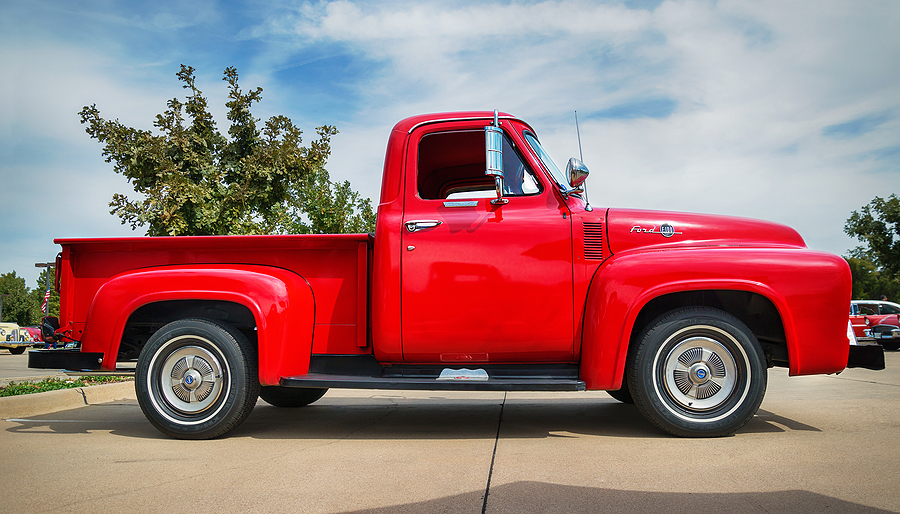
How to Handle Abandoned Vehicles on Private Property

We’ve all seen them—those rusting, flat-tired eyesores that seem to sprout from the pavement like weeds. Whether it’s a tenant who moved out and left a sedan behind, or a stranger who decided your commercial parking lot was a long-term storage facility, discovering an abandoned vehicle on your private property is more than just an annoyance. It’s a liability.

While your instinct might be to call a tow truck immediately, Indiana has specific laws protecting vehicle owners that you must navigate first. Acting too rashly could land you in legal hot water. This guide breaks down the steps for legally removing unwanted vehicles from your Indiana property, ensuring you reclaim your space without inheriting a lawsuit.

Call 317-247-8484 For Private Property Towing in Indianapolis Indiana

Understanding Indiana’s Abandoned Vehicle Laws

Before you call a tow truck, you need to understand what legally constitutes an “abandoned vehicle.” In Indiana, this isn’t just a matter of opinion; it’s a matter of statutes.

According to Indiana Code (IC 9-13-2-1), a vehicle on private property is generally considered abandoned if it has remained there without the consent of the owner or person in control of the property for more than 48 hours.

However, for the specific purpose of removal, Indiana Code § 9-22-1-16 offers a slightly faster timeline for property owners. It states that if a vehicle believed to be abandoned on private property is not removed 24 hours after you’ve identified it, you (the property owner or manager) may have it towed.

The “Emergency Situation” Exception

There is a notable exception to the waiting period. If the vehicle creates an “emergency situation,” it can be removed immediately. The law defines an emergency as a situation where the vehicle:

  • Physically interferes with normal business operations.
  • Poses a threat to the safety or security of people or property.

Local Ordinances Matter

While state law provides a baseline, local municipalities often have their own enforcement procedures. For example, in Indianapolis and Marion County, the Department of Business & Neighborhood Services (DBNS) has a specific process involving a 72-hour notification tag before a vehicle is towed as a public nuisance. Always check your city or county ordinances to ensure you aren’t violating a stricter local rule.

Initial Steps: Identification and Documentation

Before taking action, you must build a record of the abandonment. If the vehicle owner later claims you towed their car illegally, your documentation will be your best defense.

  1. Time-Stamp Your Discovery: Note the exact date and time you first noticed the vehicle.
  2. Photographic Evidence: Take clear photos of the vehicle from multiple angles. Ensure you capture the license plate, the VIN (usually visible through the windshield on the driver’s side), and the vehicle’s position relative to your property lines.
  3. Check for Condition: Document factors that suggest abandonment, such as flat tires, broken windows, accumulated debris, or missing plates. These details help support your claim that the vehicle is truly abandoned and not just parked temporarily.

Owner Notification

If the vehicle belongs to a tenant or someone you know, a simple conversation or written request is the best first step. However, if the car is a mystery, your obligations shift.

While you are not strictly required to play private investigator, making a reasonable effort to notify the owner can protect you from liability. If the vehicle is in a residential complex, check your tenant registry against the license plate or parking permit number if applicable.

In many jurisdictions, law enforcement or authorized towing agencies handle the formal notification once the towing process begins. For instance, when a towing service takes possession of an abandoned vehicle, they are typically required to notify the owner and lienholder (via certified mail) within a specific timeframe to establish a mechanic’s lien for storage costs.

The Removal Process

Once the required time period (typically 24 hours under state statute) has passed, you can proceed with removal.

1. Contact a Reputable Towing Company

Do not attempt to tow or move the vehicle yourself. You must use a licensed towing company or salvage yard. When you call, clearly state that you are requesting a private property impound for an abandoned vehicle.

2. Complete Necessary Authorization

The towing company will likely require you to sign a towing authorization form or a “Request for Private Property Tow.” This document affirms that you are the property owner or authorized agent and that the vehicle has been on the property without consent for the statutory period.

3. Reporting to Law Enforcement

In many Indiana jurisdictions, the towing operator is required to report the impound to local law enforcement or the Bureau of Motor Vehicles (BMV) to ensure the vehicle isn’t listed as stolen. This reporting also kicks off the official “abandoned vehicle” paperwork trail, which is crucial if the vehicle goes unclaimed and needs to be sold or scrapped.

  • Note for Indianapolis Residents: If you are in Marion County, you may need to submit an affidavit to the DBNS to trigger an inspection and tagging process before a tow can occur, specifically for nuisance vehicles.

Request Private Property Towing Management in Indy

Prevention Tips

Dealing with abandoned vehicles is a headache best avoided. Here are a few ways to deter unauthorized parking on your property:

  • Clear Signage: Post visible signs at all entrances stating “Private Property: Unauthorized Vehicles Will Be Towed at Owner’s Expense.” Cite the towing company’s name and phone number on the sign.
  • Lighting and Security: Abandoned vehicles are often dumped in dark, unmonitored corners. ample lighting and visible security cameras can deter dumping.
  • Tenant Leases: If you manage a rental property, include a clear clause in your lease regarding inoperable or unregistered vehicles. Require all tenant vehicles to be registered with your office.

Conclusion

Handling abandoned vehicles requires a careful balance of patience and swift action. One misstep can lead to disputes or liability issues. Whether you manage a sprawling commercial complex or a multi-family residential unit, knowing the ins and outs of Indiana property law is essential for keeping your lot clear and compliant.

If you are dealing with persistent parking issues or need comprehensive support managing your real estate assets, professional help is available.

Need assistance with property management or towing coordination in Central Indiana? Contact our team today to streamline your operations and keep your property compliant.

Call Now for Service

Related Post: Property Management Towing in Indianapolis: A Complete Guide

Understanding Scrap Metal Value: How to Maximize Earnings

You might look at a rusted appliance, a pile of old copper wiring, or a broken-down vehicle and see nothing but clutter. However, to a scrap metal recycler, that “junk” represents a valuable commodity. Discarded metal is a resource that can be transformed, reused, and reintroduced into the manufacturing cycle, often putting cash directly into your pocket in the process.

Navigating the world of scrap metal recycling can feel intimidating if you are unfamiliar with the industry. Prices fluctuate daily, different metals command vastly different rates, and knowing how to prepare your materials can significantly impact your payout. Yet, understanding the basics of scrap metal value is a smart financial move for homeowners, contractors, and business owners alike.

This guide provides a comprehensive look at how scrap metal is valued, how to identify what you have, and the steps you can take to ensure you receive the best possible return for your materials.

Call 317-247-8484 to Speak With Our Scrap Metal Buyers Near Indianapolis

Factors That Influence Scrap Metal Prices

Much like the stock market, scrap metal prices are not static. They change frequently—sometimes daily—based on a variety of global and local economic factors. Understanding these variables can help you time your visit to the scrap yard for the best possible return.

Supply and Demand

The most significant driver of price is the global supply and demand for raw materials. When manufacturing industries are booming and construction projects are active, the demand for steel, copper, and aluminum rises. If the supply of new, virgin ore is low or expensive to mine, manufacturers turn to scrap metal as a cost-effective alternative, driving up the price recyclers are willing to pay.

Market Commodities

Scrap metal is a globally traded commodity. International trade policies, tariffs, and the economic health of major importing countries all play a role. For instance, if a major manufacturing nation reduces its import of scrap metal, domestic surpluses may increase, causing local prices to drop.

Location and Transportation

Your geographic location matters. Scrap yards must transport the metal they buy to processing facilities or mills. If a scrap yard is located far from these end-users, their transportation costs are higher, which may result in lower payout rates for the seller. Conversely, yards located near major ports or mills often offer more competitive pricing.

Quality and Quantity

Recyclers prefer bulk quantities and clean materials. Bringing in a truckload of metal is often more efficient for a yard to process than a single bag, which might earn you a slightly better rate. Furthermore, “clean” metal—material free of plastics, insulation, or other contaminants—is always worth more than “dirty” metal that requires extra labor to process.

Distinguishing Between Ferrous and Non-Ferrous Metals

To estimate the value of your haul, you must first understand the two primary categories of scrap metal: ferrous and non-ferrous. The difference in value between these two groups is substantial.

Ferrous Metals

Ferrous metals contain iron. They are generally strong, durable, and used in housing, large-scale piping, automobiles, and appliances. Because ferrous metals are so common and easier to recycle in bulk, they typically command a lower price per pound.

Common examples include:

  • Cast iron skillets or bathtubs
  • Wrought iron fences
  • Steel beams and construction scraps
  • Old automobiles
  • Major household appliances (washing machines, refrigerators)

Non-Ferrous Metals

Non-ferrous metals do not contain iron. These materials are highly resistant to rust and corrosion, making them incredibly desirable for manufacturing. Because they are scarcer than iron-based metals, they are significantly more valuable by weight.

Common examples include:

  • Copper: Found in plumbing pipes, electrical wiring, and roofing accents. This is often the most valuable scrap metal commonly found in households.
  • Aluminum: Found in soda cans, siding, gutters, and window frames.
  • Brass: Found in door handles, light fixtures, keys, and plumbing valves.
  • Stainless Steel: While it contains some iron, certain grades of stainless steel are treated as non-ferrous due to their nickel content and value. found in kitchen sinks and cookware.

How to Identify Your Metal

You do not need a degree in metallurgy to identify what is in your scrap pile. The most effective tool for identification is something you likely already have on your refrigerator: a magnet.

The Magnet Test

Place a magnet against the metal.

  • If the magnet sticks: You have a ferrous metal (steel or iron). It will be worth less per pound, but usually accumulates in higher weights.
  • If the magnet does not stick: You have a non-ferrous metal (copper, aluminum, brass, etc.). These should be separated carefully, as they are your high-ticket items.

Visual Cues

Once you have separated the non-magnetic items, look at the color and texture.

  • Copper: distinct reddish-orange color. If the copper is old, it may have a green patina.
  • Brass: Yellowish, similar to gold, but often used for hardware and valves.
  • Aluminum: Light silver or grey color. It is lightweight and does not rust.

Contact Us for a Free Scrap Metal Offer in Indy

Finding a Reputable Scrap Yard

Not all scrap yards operate with the same standards. Finding a trustworthy buyer is essential for a fair transaction.

Start by searching for local scrap metal recycling centers and reading customer reviews. Look for businesses that are transparent about their pricing. While many yards do not publish daily prices online due to market fluctuations, a reputable metal recycling facility should be willing to give you a rough estimate over the phone if you can describe your material accurately.

When you arrive, observe the facility. A professional operation will have clear signage, organized drop-off zones, and certified scales. The scale readout should be visible to you during the weighing process. Transparency at the scale is the hallmark of an honest recycler.

Strategies to Maximize Your Profits

If you dump a mixed box of metal onto the scale, the yard will likely grade the entire load as the lowest-value material present. To get the most money for your effort, a little preparation goes a long way.

Separate Your Load

Never mix ferrous and non-ferrous metals. If you have a bucket of copper wire mixed with steel screws, the buyer may pay you the steel price for the whole bucket. Separate everything by type before you leave home.

Clean Your Metal

“Cleaning” in the scrap industry does not mean washing with soap and water. It means removing contaminants.

  • Strip Copper Wire: Insulated copper wire pays decent money, but “bare bright” copper wire (wire with the plastic insulation stripped off) pays significantly more.
  • Remove Attachments: If you have an aluminum window frame with steel screws attached, remove the screws. This upgrades the aluminum from “dirty” to “clean.”
  • Drain Fluids: If you are scrapping car parts or engines, ensure all oil and fluids are drained. Many yards will refuse parts that are leaking fluids due to environmental regulations.

Protect Your Scrap

While scrap metal is durable, severe corrosion can decrease value. If you are stockpiling steel over a long period, try to keep it covered. Excessive rust reduces the weight of the actual metal vs. the oxide, which can affect the final price.

The Environmental Impact of Recycling

While the financial incentive is compelling, the environmental benefits of scrapping are equally significant. Recycling metal reduces the need for invasive mining projects, which destroy habitats and consume vast amounts of water and energy.

Recycling utilizes far less energy than producing new metal from virgin ore. For example, recycling aluminum saves approximately 95% of the energy required to make the same amount of aluminum from its raw source, bauxite. By selling your scrap, you are actively participating in a circular economy that conserves natural resources and reduces the volume of waste sent to landfills.

Turn Your Metal Waste into Opportunity

Understanding scrap metal value turns a chore into an opportunity. By recognizing the difference between ferrous and non-ferrous materials, monitoring market factors, and taking the time to separate and clean your metals, you can maximize your return on investment. Whether you are clearing out a garage, managing a construction site, or simply looking to be more eco-conscious, scrap metal recycling is a practical solution with tangible rewards.

If you are looking for a fair, transparent, and professional recycling partner in Indiana, look no further. Contact Zore’s in Indianapolis and Lebanon to recycle your scrap metal today and turn your unwanted materials into cash.

Call Now for a Free Offer

Related Post: Information About Indiana Scrap Metal Prices

Best Methods for Safely Towing a Truck
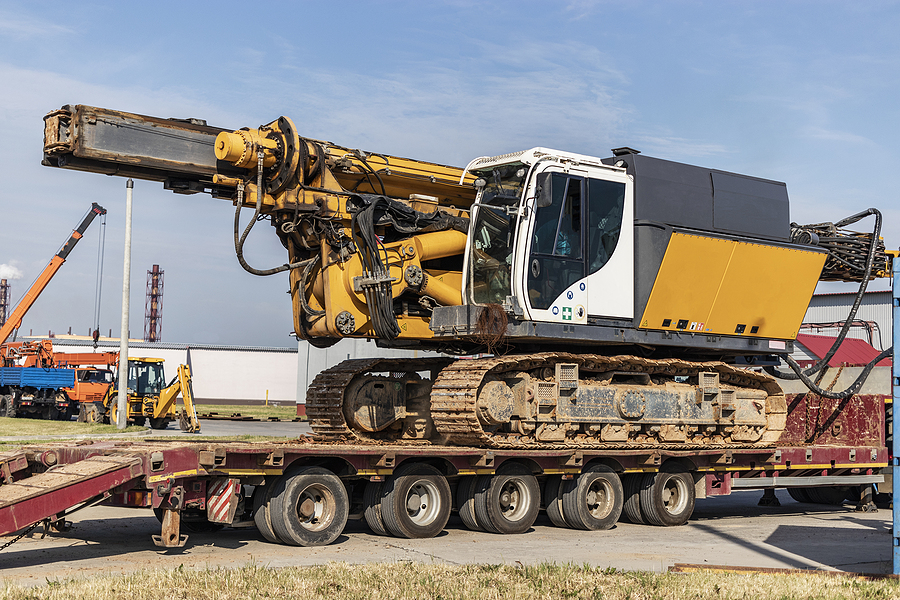
Towing a truck can seem like a straightforward task, but it requires careful preparation and an understanding of the right techniques. An incorrectly towed vehicle is not just a risk to your truck and the one being towed; it’s a significant hazard to everyone else on the road. A moment of oversight can lead to vehicle damage, accidents, or even serious injuries.

This guide provides a comprehensive overview of how to tow a truck safely and effectively. We will cover everything from understanding your vehicle’s capabilities to the essential equipment you’ll need, step-by-step instructions, and tips for maintaining your truck after the job is done. By following these best practices, you can ensure a smooth and secure towing experience.

Call 317-247-8484 For Pickup Truck Towing Service in Indianapolis

Understanding Your Truck’s Towing Capacity

Before you even think about connecting a trailer or another vehicle, you must know your vehicle’s towing capacity. This figure, determined by the manufacturer, is the maximum weight your car can safely pull. Exceeding this limit can put immense strain on your car’s engine, transmission, brakes, and frame, leading to mechanical failure and dangerous situations on the road.

To find your vehicle’s towing capacity, consult the owner’s manual. The manufacturer will provide specific weight ratings, including:

  • Gross Vehicle Weight Rating (GVWR): The maximum allowable weight of your fully-loaded car, including passengers, cargo, and tongue weight.
  • Gross Combination Weight Rating (GCWR): The maximum total weight of your car and the truck and/or trailer it is towing combined.
  • Tongue Weight: The downward force that the trailer tongue exerts on the hitch. This should typically be 10-15% of the total trailer weight.

Ignoring these ratings is a serious risk. Overloading your car can cause overheating, brake failure, and reduced steering control, making it difficult to manage your vehicle, especially on inclines or during sudden stops.

Essential Equipment for Successful Truck Towing

Having the right gear is non-negotiable for a safe towing operation. Your equipment must be rated for the weight you intend to pull and be in excellent working condition.

Key Towing Equipment

  • Tow Hitch: The critical connection point between your vehicle and the truck being towed. Hitches are categorized into classes (I-V) based on their weight capacity. Ensure your hitch class matches or exceeds your towing needs.
  • Tow Dolly or Trailer: A tow dolly lifts the front two wheels of the vehicle being towed off the ground, which is suitable for front-wheel-drive vehicles. A flatbed trailer carries the entire vehicle, which is the safest option for all-wheel-drive or four-wheel-drive trucks.
  • Tow Straps or Chains: Use heavy-duty tow straps or safety chains as a backup connection. These prevent the trailer from detaching completely if the primary hitch fails. Always cross the chains under the trailer tongue in an “X” pattern.
  • Brake Controller: For heavier loads, an electronic brake controller is essential. It synchronizes the trailer’s brakes with your truck’s brakes, providing smoother, more controlled stopping power.
  • Towing Mirrors: Standard side mirrors often don’t provide a wide enough view when a trailer is attached. Extended towing mirrors are necessary to eliminate blind spots and monitor traffic around your trailer.

Request Professional Truck Towing Service Now

Step-by-Step Guide to Hooking Up a Truck

Properly connecting your vehicle to another truck or trailer is a critical step. Rushing through this process can lead to a disconnected trailer on the highway—a worst-case scenario.

  1. Position the Vehicles: Park both your vehicle and the truck to be towed on a flat, level surface. Engage the parking brakes on both.
  2. Attach the Hitch: Align your car’s hitch with the trailer’s coupler. Slowly back your vehicle up until the coupler is directly over the hitch ball.
  3. Lower and Secure the Coupler: Lower the trailer coupler onto the hitch ball. Once it’s seated, close the latch and insert the safety pin to lock it in place.
  4. Connect Safety Chains: Attach the safety chains to your car’s frame, crossing them underneath the coupler. This ensures that if the hitch fails, the trailer remains connected.
  5. Hook Up Electrical Connections: Connect the trailer’s wiring harness to your vehicle’s electrical socket. Test the trailer’s brake lights, turn signals, and running lights to confirm they work correctly.
  6. Check and Adjust: Perform a final “pull test” by gently pulling forward to ensure the connection is secure. Double-check all connections—hitch, chains, and wiring—before you hit the road.

Best Practices for Safe Towing on the Road

Towing changes how your vehicle handles. It requires more focus, slower speeds, and greater anticipation.

  • Drive Slower: Maintain a lower speed than you normally would. This gives you more time to react and reduces strain on your vehicle.
  • Increase Following Distance: Your braking distance increases significantly when towing. Leave at least double the usual space between you and the vehicle ahead.
  • Make Wider Turns: Your trailer will cut corners more sharply than your car. Take turns wider than usual to avoid hitting curbs or other objects.
  • Be Mindful of Wind and Terrain: Crosswinds can cause the trailer to sway. Reduce speed if you feel the trailer moving erratically. When driving up or down hills, shift to a lower gear to give you more control and reduce strain on your engine and brakes.
  • Avoid Sudden Maneuvers: Sudden braking or swerving can cause you to lose control. Anticipate stops and lane changes well in advance.

Troubleshooting Common Towing Issues

Even with careful preparation, problems can arise. Knowing how to handle them is key.

Trailer Sway

This is one of the most dangerous issues. If your trailer starts to sway, do not slam on the brakes. Instead, take your foot off the accelerator and gently apply the trailer brakes using the manual controller if you have one. Keep the steering wheel straight until the sway stops. Trailer swaying is often caused by improper weight distribution or high speeds.

Overheating

Towing puts extra stress on your engine and transmission. If you notice your temperature gauge rising, pull over safely and let the engine cool down. Check coolant levels once the engine is cool.

Brake Problems

If you feel the brakes are not as responsive, pull over and inspect the connections. Ensure your brake controller is set correctly for the load you are carrying.

Truck Maintenance After Towing

Towing is demanding work for your vehicle. After completing a tow, it’s wise to perform a few maintenance checks to keep your vehicle in top condition.

  • Check Fluid Levels: Inspect the engine oil, transmission fluid, and coolant. Towing can cause these fluids to degrade faster.
  • Inspect Brakes and Tires: Look for signs of wear on your brake pads and check the tire pressure on both your vehicle and any trailer.
  • Examine the Hitch: Inspect your hitch for any signs of stress, cracks, or damage that may have occurred during the tow.

When to Call a Professional

While many towing tasks can be handled on your own, some situations require professional help. If your truck has broken down in a dangerous location, if you’re dealing with extreme weather conditions, or if the vehicle you need to tow is significantly damaged, calling a professional towing service is the safest choice. Professionals have the heavy-duty equipment and experience to handle complex situations without causing further damage.

Final Thoughts

Towing a truck doesn’t have to be intimidating. By understanding your vehicle’s limits, using the right equipment, and following safe driving practices, you can manage the task with confidence and security. Always prioritize safety over speed, and never hesitate to seek professional help when you’re out of your depth.

If you find yourself in a situation that requires expert assistance in Indianapolis or Central Indiana, don’t take any risks. Contact our professional truck towing service to ensure your vehicle is handled safely and efficiently.

Call Now for Fast Towing

Related Post: Why Choose Professional Semi-Truck Towing Services for Roadside Needs

New or Used Car Parts: Making the Right Choice

When your car needs a repair, you’re faced with a critical decision that impacts both your wallet and your vehicle’s performance: should you buy new or used car parts? This choice isn’t always straightforward. While new parts offer peace of mind, used parts present a compelling, budget-friendly alternative. Understanding the differences between these options is essential for making a confident and informed decision.

This guide will walk you through the key considerations for your next car part replacement. We will explore the cost, quality, and reliability associated with both new and used auto parts. By understanding the pros and cons of each, you can determine the best path forward for your specific repair, ensuring your vehicle remains safe and reliable without breaking the bank.

Call 317-247-8484 For New and Used Car Parts in Indianapolis Indiana

The Price Tag: A Detailed Cost Comparison

The most significant advantage of choosing used parts is the cost savings. For many car owners, especially those on a tight budget, this factor alone can be the deciding one. Used car parts can cost anywhere from 30% to 70% less than their brand-new counterparts. This substantial price difference can make a major repair, like replacing a transmission, much more manageable.

New parts, particularly Original Equipment Manufacturer (OEM) parts, come with a higher price tag. OEM car parts are made by the same company that manufactured your vehicle, guaranteeing a perfect fit and function. This quality assurance and the accompanying warranty contribute to their higher cost. While aftermarket new parts can be cheaper than OEM options, they still typically cost more than used parts.

Consider these examples:

  • Body Panels: If your car has cosmetic damage from a minor accident, a used door or fender in good condition can save you hundreds of dollars.
  • Headlights: A used headlight assembly can be a cost-effective solution, provided it’s free from cracks and hazing.

The savings from used parts also make them an attractive option for owners of older vehicles, where investing in expensive new auto parts may not be financially practical.

Quality and Reliability: What to Expect

When it comes to car part replacement, quality and reliability are non-negotiable. This is where the debate between new versus used parts becomes more complex.

New Car Parts (OEM and Aftermarket)

OEM parts are the gold standard for quality. They are identical to the parts your car was built with, ensuring seamless compatibility and optimal performance. Because they are new, they have a longer expected lifespan and come with the assurance of being in perfect working condition right out of the box.

New aftermarket parts are produced by third-party companies. While they can be a more affordable alternative to OEM auto parts, their quality can vary. Some aftermarket brands meet or even exceed OEM standards, while others may not. It’s crucial to research and choose reputable aftermarket manufacturers to avoid potential fitment or performance issues.

Used Car Parts

Used parts come from salvaged vehicles, often called “donor” cars. Their quality and reliability depend heavily on the part’s age, the mileage of the donor vehicle, and its overall condition. A part from a low-mileage car that was in a minor collision may be nearly as good as new. Conversely, a part from a high-mileage vehicle could be near the end of its life.

The environmental benefit is another point in favor of used parts. By purchasing used, you are recycling and extending the life of existing components, which reduces waste and the demand for new manufacturing.

View Our Auto Parts Inventory Now

Securing Your Purchase: Warranty and Returns

Warranty and return policies provide a safety net for your purchase, and they differ significantly between new and used parts.

New Parts

Nearly all new car parts, especially OEM parts, come with a manufacturer’s warranty. This typically covers defects for a specific period, such as one year or 12,000 miles. This warranty provides peace of mind, as you can get a replacement or refund if the part fails prematurely.

Used Parts

Warranties on used parts are less common and more varied. Reputable salvage yards or online sellers often provide a limited warranty, perhaps for 30 to 90 days. This protects you against receiving a part that is dead on arrival. However, some used parts are sold “as-is” with no warranty at all. Always clarify the warranty and return policy before buying a used part.

When Safety Comes First: Parts to Always Buy New

While used parts offer great value, some components are too critical to safety and performance to take a risk on. For these parts, new is the only responsible choice.

Brake Components

Your braking system is your car’s most important safety feature. Never compromise on parts like brake pads, rotors, calipers, or brake lines. Used brake parts may have hidden wear or structural fatigue that could lead to catastrophic failure. Always purchase these as new car parts to ensure maximum safety and reliability.

Engine Control Unit (ECU)

The ECU is your car’s brain, managing everything from fuel injection to ignition timing. A new ECU ensures it is programmed correctly for your specific vehicle model and has the latest software updates for optimal engine performance and efficiency. A rebuilt or used unit might not be fully compatible or could carry underlying issues from its previous vehicle.

Critical Suspension and Steering Parts

Components like ball joints, tie rods, and shock absorbers are subject to immense stress and wear. A failed suspension or steering part can cause you to lose control of your vehicle. Due to the high risk involved, it is always recommended to opt for new auto parts for these systems.

Finding Reputable Sources for Your Parts

Whether you choose new or used, buying from a trusted source is essential.

  • For New OEM Parts: Although buying from an authorized dealership for your car’s brand is ideal, it is often unaffordable. Yet they do guarantee genuine OEM parts that are right for your vehicle.
  • For New Aftermarket Parts: Reputable auto parts stores, both online and brick-and-mortar, offer a wide selection. Look for brands with positive reviews and strong warranty support.
  • For Used Parts: Seek out established salvage yards or certified automotive recyclers. Many have online inventories and provide part history and limited warranties. Online marketplaces can also be a source, but exercise caution and buy from sellers with high ratings and clear return policies.

Making the Best Choice for Your Vehicle

Deciding between new and used car parts involves weighing cost against quality, reliability, and peace of mind. New parts, especially OEM options, offer guaranteed performance and a solid warranty but come at a premium. Used parts provide significant cost savings and an eco-friendly advantage but require more diligence to ensure you’re getting a quality component.

For non-critical parts like body panels or mirrors on an older car, a used part is often a smart, economical choice. For essential safety and performance systems, investing in new parts is the wisest decision.

If you’re still unsure which option is right for your car part replacement, our team of experts is here to help. We can provide personalized advice to help you find the perfect balance of cost and quality for your vehicle’s needs.

Call Now to Ask About a Part

Related Post: Your Guide to Salvage Auto Parts

Recycle Copper, Save the Planet: Key Facts and Benefits

Copper wiring powers our homes. Copper pipes deliver clean water. Copper components keep our electronics running. This versatile metal is woven into the fabric of modern life, yet most of us rarely think about what happens when these items reach the end of their usefulness.

The truth is, copper recycling offers a powerful opportunity to protect our planet while creating economic value. Unlike many materials that degrade with reuse, copper maintains its quality through countless recycling cycles. This remarkable property, combined with the environmental and financial benefits of recycling, makes copper one of the most important materials in the circular economy.

Whether you’re a homeowner clearing out old wiring, a construction professional managing demolition waste, or a business looking to reduce your environmental footprint, understanding copper recycling can transform how you view scrap metal. Let’s explore why recycling copper matters and how you can participate in this essential practice.

Call 317-247-8484 to Get Started With Copper Recycling in Indianapolis Indiana

What Makes Copper Special?

Copper’s unique properties explain why it’s so valuable and recyclable. This reddish-brown metal conducts electricity and heat exceptionally well, making it indispensable in electrical systems, plumbing, and manufacturing. It’s naturally antimicrobial, which is why you’ll find it in hospitals and water systems. Copper also resists corrosion, ensuring longevity in pipes and marine applications.

Most importantly, copper is 100% recyclable without any loss of quality. You can recycle the same copper indefinitely, and it will perform just as well as newly mined material. This characteristic sets copper apart from many other materials and makes it a cornerstone of sustainable resource management.

The Environmental Case for Copper Recycling

The environmental benefits of copper recycling are substantial and measurable. Recycling copper requires up to 85% less energy than producing new copper from ore (Copper Development Association). This dramatic reduction in energy consumption translates directly to fewer greenhouse gas emissions and a smaller carbon footprint.

The numbers tell a compelling story. Recycling one ton of copper saves 7.3 tons of CO2 emissions—equivalent to taking multiple cars off the road for a year. Using recycled copper reduces air pollution by 86% and water pollution by 76% compared to primary production  (International Copper Association, 2021). These aren’t marginal improvements; they represent transformative environmental protection.

Mining operations can scar landscapes, disrupt ecosystems, and consume vast quantities of water. By choosing recycled copper, we reduce the demand for new mining and preserve natural habitats. About 40% of the world’s copper needs are currently met through recycling, but there’s significant room for improvement (International Copper Association, 2021).

Economic Advantages of Copper Recycling

Environmental benefits often come with economic trade-offs, but copper recycling delivers both. The scrap metal recycling industry creates jobs across collection, sorting, processing, and distribution. Professional metal recyclers employ thousands of workers and contribute significantly to local economies.

For individuals and businesses, copper has actual cash value. The copper value varies based on market conditions and the grades of copper you’re recycling, but it consistently commands good prices at scrap metal recycling facilities. Red copper, bare bright copper, copper wire, and copper pipes each have different values based on purity and condition.

Businesses that recycle copper can reduce waste disposal costs while generating revenue from materials they might otherwise discard. Construction companies, demolition contractors, electricians, and manufacturers can all benefit financially from systematic copper recycling programs.

Understanding Grades of Copper

Not all copper scrap is valued equally. Copper recyclers classify materials into different grades based on purity and condition, which directly affects what you’ll receive at a metal recycling center.

  • Bare bright copper is the most valuable grade—clean, uncoated copper wire that’s at least 99% pure with no oxidation.
  • Copper wire that still has insulation or coating is worth less due to the additional processing required.
  • Copper pipes contain high-quality copper but may have solder or fittings attached.
  • Red copper refers to clean copper scrap with minimal contamination.

Understanding these distinctions helps you prepare your materials properly and get fair compensation. Separating different grades before visiting copper recyclers can significantly increase the value of your scrap.

Recycle Scrap Copper For a Cash Payout Today!

How to Recycle Copper: A Practical Guide

1. Identify Your Scrap

Recycling copper is straightforward once you know the process. Start by identifying copper items in your home or business. Common sources include electrical wiring, plumbing pipes, old electronics, and household fixtures. Copper has a distinctive reddish-brown color, though it may develop a green patina over time.

2. Separate and Clean

Separate copper from other materials as much as possible. Remove insulation from copper wire recycling when feasible—bare copper fetches higher prices. Sort items by grade to maximize value. Clean materials are worth more than contaminated ones.

3. Locate a Trusted Metal Recycler

Find a reputable metal recycling center or copper recyclers in your area. Look for facilities with transparent pricing, proper licensing, and good community reputations. Zore’s Inc. in Indianapolis, for example, has built trust as experienced scrap metal recyclers that pay cash on the spot for scrap copper and other metals.

Bring your sorted materials to the facility. Most metal recyclers will weigh your scrap, verify the grades, and offer immediate payment. Some facilities provide pickup services for larger quantities, which is convenient for businesses or major renovation projects.

Frequently Asked Questions About Copper Recycling

What are the most common items that can be recycled for copper?

Electrical wiring, plumbing pipes, electronics, motors, air conditioning units, and various household fixtures all contain recyclable copper. Older homes undergoing renovation often yield significant copper from outdated plumbing and electrical systems.

How does recycling copper benefit the environment?

Recycling copper saves up to 85% of the energy required for primary production, reduces CO2 emissions by 7.3 tons per ton recycled, and decreases air and water pollution by more than 75% (International Copper Association, 2021). It also reduces the need for environmentally disruptive mining operations.

What is the process of recycling copper?

Copper recycling involves collection, sorting by grade, shredding or granulation, separation from other materials, melting, and purification. The refined copper is then cast into new forms for manufacturing.

How do I find a reliable copper recycling center?

Look for established metal recyclers with proper licensing, transparent pricing, and positive community reputations. Ask about their processes, how they determine grades, and what identification they require. Facilities like Zore’s Inc. that have served their communities for years are typically trustworthy options.

What should I know before selling scrap copper?

Understand the different grades of copper and how they’re valued. Clean, sorted materials fetch better prices than contaminated or mixed scrap. Remove insulation from wiring when possible. Bring identification, as recyclers must comply with anti-theft regulations. Get quotes from multiple facilities to ensure fair pricing.

What are the different grades of copper, and how do they affect value?

Bare bright copper (clean, uncoated wire) commands the highest prices. Copper wire with insulation is worth less. Copper pipes and red copper have intermediate values depending on condition and purity. Higher-grade materials require less processing and therefore receive better compensation.

Key Takeaways & Next Steps

Every pound of copper recycled makes a difference. Whether you’re clearing out old wiring from a home renovation, managing construction waste, or running a business that generates copper scrap, you have the power to contribute to environmental protection while earning fair compensation.

Start by identifying copper items you no longer need. Sort materials by grade to maximize their value. Research reputable copper recyclers in your area who offer transparent pricing and professional service.

For businesses generating regular copper scrap, establish a systematic recycling program. Train employees to recognize and separate copper materials. Build relationships with reliable metal recyclers who can provide convenient pickup services and fair pricing.

The combination of environmental benefits, economic incentives, and resource conservation makes copper recycling one of the most impactful actions you can take for sustainability.

Ready to turn your scrap copper into cash while protecting the planet? Contact our experienced copper recycling experts who can guide you through the scrap metal process and ensure you receive fair value for your materials.

Call Now to Get an Offer

Related Post: What You Need to Know Before Selling Your Scrap Copper

Transporting Oversized Loads in Indiana: Essential Guide for Compliance

Moving heavy equipment across Indiana requires more than just a powerful truck and determination. Whether you’re transporting construction machinery to a job site or relocating manufacturing equipment, understanding Indiana’s specific regulations for oversized loads can mean the difference between a smooth operation and costly delays.

Oversized load transport involves strict legal requirements, safety protocols, and logistical considerations that many business owners underestimate. Non-compliance doesn’t just result in fines—it can lead to permit revocation, vehicle impoundment, and significant project delays that impact your bottom line.

This comprehensive guide breaks down everything you need to know about transporting oversized loads in Indiana, from obtaining the right permits to navigating common challenges that arise during transport.

Call 317-247-8484 For Oversized Load Towing Service in Indiana

What Qualifies as an Oversized Load in Indiana?

Indiana law defines oversized loads through specific dimensional and weight thresholds outlined in Indiana Code IC 9-20-3 and Indiana Administrative Code 105 IAC 7. Understanding these limits helps determine whether your cargo requires special permits and handling procedures.

A load becomes “oversized” when it exceeds standard legal dimensions:

  • Width: Greater than 8 feet, 6 inches
  • Height: Exceeding 13 feet, 6 inches
  • Length: Over 65 feet for truck-trailer combinations
  • Weight: Surpassing 80,000 pounds gross vehicle weight

Common examples of oversized loads include construction cranes, industrial machinery, prefabricated buildings, wind turbine components, and large agricultural equipment. Even seemingly manageable equipment can qualify as oversized when loaded onto transport trailers.

Heavy equipment transport often involves loads that exceed multiple dimensions simultaneously, requiring careful planning and specialized handling procedures.

Required Permits and Application Process

Transporting oversized loads legally requires obtaining proper permits from the Indiana Department of Transportation (INDOT). The permit system ensures road safety and infrastructure protection while allowing necessary commercial transport.

Types of Permits Available

  • Single Trip Permits cover one-time movements and remain the most common choice for businesses with occasional transport needs. These permits specify exact routes, travel times, and load specifications.
  • Annual Permits benefit companies regularly transporting oversized loads within Indiana. While more expensive initially, they provide flexibility and cost savings for frequent haulers.
  • Blanket Permits apply to specific load types transported regularly along established routes, streamlining the process for qualifying businesses.

Application Requirements

The permit application process requires detailed information about your load, vehicle, and intended route. Essential documentation includes:

  • Load dimensions and weight specifications
  • Vehicle and trailer details
  • Proposed travel route and timing
  • Insurance documentation
  • Driver qualifications and certifications

Applications must be submitted at least 48 hours before transport, though complex loads may require longer processing times. Rush permits are available for emergency situations but come with additional fees.

Safety Requirements and Best Practices

Indiana enforces strict safety regulations for oversized load towing service operations. These requirements protect both the transport crew and other road users while minimizing infrastructure damage.

Escort Vehicle Requirements

Loads exceeding certain dimensions require professional escort vehicles with trained operators. Requirements vary based on load size:

  • Width over 12 feet: Front escort required
  • Width over 14 feet: Front and rear escorts required
  • Length over 100 feet: Additional escort requirements may apply

Escort vehicles must display proper warning signs, amber lighting, and maintain radio communication with the transport vehicle.

Required Signage and Equipment

All oversized load transport must display appropriate warning signs and safety equipment. Standard requirements include:

  • “OVERSIZE LOAD” signs on front and rear of the transport vehicle
  • Amber rotating or flashing lights
  • Red flags on extremities extending beyond normal vehicle width
  • Reflective tape or markings for enhanced visibility

Time and Route Restrictions

Indiana restricts oversized load movement during certain periods and on specific routes. Common restrictions include:

  • Weekend limitations: No movement during peak travel times
  • Holiday restrictions: Complete prohibition during major holidays
  • Weather conditions: Suspension during adverse weather
  • Construction zones: Route modifications around active work areas

Local ordinances may impose additional restrictions, particularly in urban areas or on bridges with weight limitations.

Common Challenges and Solutions

Even with proper permits and preparation, transporting heavy equipment presents unique challenges that experienced operators learn to navigate effectively.

Infrastructure Limitations

Bridge weight limits, overhead clearances, and road conditions create routing challenges. Professional transport companies maintain detailed route databases and conduct pre-transport surveys to identify potential obstacles.

When standard routes prove unsuitable, alternative paths may add significant distance and time to transport schedules. Planning contingencies helps minimize project delays.

Weather-Related Delays

Indiana’s variable weather conditions significantly impact oversized load transport. High winds can make wide loads dangerous to transport, while rain and snow affect visibility and road conditions.

Successful transport companies monitor weather forecasts closely and maintain flexible scheduling to accommodate necessary delays. Attempting transport in marginal conditions increases accident risk and potential liability.

Traffic and Timing Coordination

Coordinating oversized load movement with regular traffic requires careful timing and communication. Many permits restrict transport to off-peak hours, requiring early morning or weekend scheduling.

Construction zones and special events can disrupt planned routes, necessitating real-time adjustments and communication with authorities.

Contact Us for Heavy Duty Towing and Transport!

Penalties for Non-Compliance

Indiana enforces oversized load regulations strictly, with penalties designed to ensure compliance and protect infrastructure integrity.

  • Financial penalties for violations range from hundreds to thousands of dollars, depending on the severity and nature of the offense. Repeat violations face escalating fine structures.
  • Permit revocation represents a serious consequence that can halt business operations. Companies with revoked permits must demonstrate corrected procedures before receiving new permits.
  • Vehicle impoundment occurs when violations pose immediate safety risks or involve gross non-compliance. Impounded vehicles remain out of service until all violations are resolved and associated fees paid.
  • Criminal charges may apply in cases involving gross negligence, falsified documentation, or repeated serious violations. Such charges can result in personal liability for company officers.
  • Infrastructure damage liability holds violators responsible for repair costs when oversized loads damage roads, bridges, or other public infrastructure. These costs can reach hundreds of thousands of dollars for major infrastructure repairs.

Frequently Asked Questions

What is the maximum height and width allowed for oversized loads in Indiana without a permit?

Standard legal limits are 8 feet, 6 inches width and 13 feet, 6 inches height. Loads exceeding these dimensions require permits regardless of other factors.

How do weather conditions affect oversized load transport in Indiana?

High winds, precipitation, and visibility restrictions can halt transport operations. Permits may include weather-specific conditions that suspend transport during adverse conditions.

Are there any specific routes in Indiana that are restricted for oversized loads?

Yes, many routes have restrictions due to bridge weight limits, overhead clearances, or local ordinances. INDOT maintains current restriction databases, and permit applications undergo route analysis.

How can I find a reliable oversized load transport company in Indiana?

Look for companies with proper licensing, insurance coverage, safety records, and experience with your specific load type. References from similar businesses provide valuable insights.

What should I do if I encounter unexpected delays or issues during transport?

Contact the permit issuing authority immediately to report delays or route changes. Maintain communication with escort vehicles and follow established emergency procedures.

Are there seasonal restrictions for oversized loads in Indiana?

Some restrictions apply during peak agricultural seasons, construction periods, or holiday travel times. Permits specify any seasonal limitations affecting transport timing.

What types of insurance are required for transporting oversized loads?

Minimum insurance requirements vary based on load value and size. Most operations require commercial auto insurance, cargo coverage, and additional liability protection.

How far in advance should I apply for an oversized load permit?

Standard applications require 48-hour advance notice, but complex loads may need weeks of processing time. Early application prevents delays and allows route planning.

Conclusion

Successfully transporting oversized loads in Indiana requires thorough understanding of regulations, careful planning, and attention to safety requirements. The complexity of permit requirements, route restrictions, and safety protocols makes professional expertise valuable for most businesses.

Working with experienced heavy equipment towing services ensures compliance with all regulations while minimizing delays and liability risks. Professional transport companies maintain current knowledge of changing regulations, established relationships with permitting authorities, and specialized equipment for safe transport.

Ready to schedule your oversized load transport? Contact our experienced team today at 317-247-8484 for a consultation and detailed transport plan tailored to your specific requirements. We handle the complexities so you can focus on your core business operations.

Book Your Service Now

Related Post: Heavy Equipment Transport Services: Your Complete Guide

Vehicle Identification Numbers: Your Complete FAQ Guide

Every car tells a story, and the key to unlocking that story lies in a simple 17-character code. Whether you’re buying a used car, searching for the right auto parts, or simply curious about your vehicle’s history, understanding your Vehicle Identification Number (VIN) can save you time, money, and potential headaches.

Your VIN serves as your vehicle’s fingerprint—no two are exactly alike. This unique identifier holds crucial information about your car’s manufacturer, specifications, and history. For car owners and DIY mechanics alike, knowing how to read and use your VIN effectively can make the difference between finding the perfect OEM parts and ending up with incompatible components.

This comprehensive guide will walk you through everything you need to know about VINs, from locating yours to understanding what each character means. We’ll answer the most common questions and show you how this powerful tool can enhance your automotive experience.

Call 317-247-8484 to Buy Auto Parts in Indianapolis Indiana

What Is a Vehicle Identification Number (VIN)?

A Vehicle Identification Number (VIN) is a unique 17-character code assigned to every motor vehicle manufactured since 1981. Think of it as your car’s DNA—it contains specific information about when, where, and how your vehicle was built.

The VIN system was standardized by the National Highway Traffic Safety Administration (NHTSA) to create a universal method for identifying vehicles. Before 1981, manufacturers used varying identification systems, making vehicle tracking inconsistent and unreliable.

Your VIN serves multiple purposes beyond simple identification. Insurance companies use it to determine coverage rates, manufacturers rely on it for recalls and warranties, and law enforcement agencies use it to track stolen vehicles. For everyday car owners, the VIN becomes invaluable when ordering replacement parts or researching a vehicle’s history.

Decoding Your VIN: Breaking Down the 17 Characters

Understanding your VIN structure empowers you to extract meaningful information about your vehicle. The 17-character code is divided into three distinct sections, each serving a specific purpose.

World Manufacturer Identifier (WMI) – Positions 1-3

The first three characters identify the World Manufacturer Identifier (WMI), which tells you who built your vehicle and where. The first character indicates the country of origin, the second identifies the manufacturer, and the third specifies the vehicle type or manufacturing division.

For example, in the VIN 1G1Z0351AF123456 (General Motors), the “1” indicates the United States, “G” represents General Motors, and the third character provides additional manufacturer details.

Vehicle Descriptor Section (VDS) – Positions 4-9

The Vehicle Descriptor Section (VDS) contains six characters that describe your vehicle’s attributes. This section includes information about the model, body style, engine type, and other specifications. Position 9 is particularly important—it’s the check digit, a number or letter used to verify the VIN’s authenticity and detect any errors.

Vehicle Identifier Section (VIS) – Positions 10-17

The final eight characters form the Vehicle Identifier Section (VIS), which makes each VIN unique. Position 10 indicates the model year, while position 11 identifies the assembly plant. The remaining characters create a unique serial number for that specific vehicle.

Let’s examine our sample VINs:

  • 1G1Z0351AF123456 (General Motors): Built in the US, specific GM model details in the VDS
  • WBADC33540F123456 (BMW): German manufacturer, luxury vehicle classification
  • JTDKB20U700123456 (Toyota): Japanese manufacturer with specific model information
  • 1FAFP3FWXH5123456 (Ford): US-built Ford with detailed specifications

Where to Find Your Car’s VIN

Locating your VIN might seem challenging, but manufacturers place it in several accessible locations for easy reference. Knowing these locations can save you time when you need to access this information quickly.

Dashboard Location

The most common location is on your dashboard, visible through the windshield on the driver’s side. Step outside your vehicle and look through the windshield from the driver’s side—you should see a small metal plate with your VIN clearly displayed.

Driver’s Side Door

Open your driver’s side door and look at the door frame or door jamb. Most manufacturers place a sticker containing the VIN along with other vehicle information like tire pressure specifications and paint codes.

Engine Bay

Pop your hood and look for a metal plate or sticker in the engine compartment. The exact location varies by manufacturer, but it’s typically on the firewall, radiator support, or engine block.

Documentation

Your VIN appears on all official vehicle documents, including your car title, registration, and insurance paperwork. Keep these documents accessible, as they provide backup when physical VIN locations are difficult to read due to wear or damage.

Additional Locations

Some manufacturers place VINs in other locations like the trunk, under the spare tire, or on the frame. These backup locations help prevent VIN tampering and provide alternatives if primary locations become damaged.

Contact Us to See if We Have Your Car Part!

Why VIN Checks Matter

Performing a VIN check provides crucial insights that can protect you from costly mistakes and safety hazards. Whether you’re buying a vehicle or maintaining your current one, this information proves invaluable.

Vehicle History Insights

A comprehensive VIN check reveals your vehicle’s past, including accident history, previous ownership, and service records. This information helps you understand potential issues and make informed decisions about purchases or repairs.

Safety and Recall Information

Manufacturers issue recalls when they discover safety defects or non-compliance issues. A VIN check identifies any outstanding recalls specific to your vehicle, ensuring you can address potential safety concerns promptly.

Parts Compatibility

When shopping for auto parts, using your VIN ensures perfect compatibility. Even vehicles of the same make, model, and year can have different specifications depending on their production date, engine type, or trim level. Your VIN eliminates guesswork and prevents costly purchasing mistakes.

Theft Protection

VIN checks can identify stolen vehicles, protecting you from unknowingly purchasing stolen property. Law enforcement agencies maintain databases that flag vehicles reported as stolen, and legitimate VIN check services access this information.

Frequently Asked Questions About VINs

How do I perform a VIN check?

Multiple options exist for VIN checks, ranging from free government resources to comprehensive paid services. The National Highway Traffic Safety Administration offers free recall information through their website. For detailed history reports, services like Carfax and AutoCheck provide comprehensive information for a fee. Many VIN decoder tools are available online to help you understand your vehicle’s basic specifications.

What information can I learn from a VIN?

Your VIN reveals extensive vehicle information, including manufacturer, model year, engine type, transmission, body style, and assembly location. Advanced VIN checks can uncover accident history, previous owners, service records, title issues, and recall information. This data helps you make informed decisions about vehicle purchases, maintenance, and parts compatibility.

Is it safe to share my VIN?

Generally, sharing your VIN poses minimal risk since it’s visible on your vehicle and appears on public documents. However, exercise caution when sharing online or with unknown parties. Legitimate businesses like insurance companies, mechanics, and parts suppliers regularly require VIN information for their services.

Can a VIN be changed or altered?

Altering a VIN is illegal and constitutes federal fraud. Manufacturers embed VINs in multiple locations specifically to prevent tampering. Law enforcement agencies can detect VIN alterations using specialized techniques, and penalties for VIN tampering are severe.

What does each digit in my VIN mean?

Each character in your 17-digit VIN serves a specific purpose. Characters 1-3 identify the manufacturer and country of origin. Characters 4-8 describe vehicle attributes like model, engine, and body style. Character 9 is a check digit for verification. Character 10 indicates the model year, character 11 identifies the assembly plant, and characters 12-17 create a unique serial number.

How can a VIN help identify a stolen car?

Law enforcement agencies maintain databases of stolen vehicle VINs. When you perform a VIN check through legitimate services, they cross-reference these databases to identify stolen vehicles. This protection benefits both buyers and sellers in used car transactions.

Is a VIN check free?

Basic VIN information and recall data are available free through government websites like the NHTSA recall database. However, comprehensive history reports typically require payment. The cost varies depending on the service provider and level of detail requested.

Where can I find a reliable VIN decoder?

Reliable VIN decoder services include government resources, manufacturer websites, and established automotive information providers. Always choose reputable sources to ensure accurate information. Many online tools provide basic decoding for free, while detailed reports require payment.

Key Takeaways

Understanding your Vehicle Identification Number transforms you from a passive car owner into an informed automotive consumer. This knowledge empowers you to make better decisions about vehicle purchases, maintenance, and part replacements.

When searching for auto parts, always reference your VIN to ensure compatibility. This simple step prevents costly mistakes and ensures optimal vehicle performance. Whether you need OEM parts for restoration or replacement components for repairs, your VIN serves as the perfect guide.

Remember that your VIN contains valuable information beyond basic identification. Use it to research recalls, understand your vehicle’s specifications, and verify its history. This proactive approach to vehicle ownership can save you money and enhance your safety on the road.

Ready to unlock your vehicle’s secrets? View Our Auto Parts Inventory and use your VIN to find the perfect components for your specific vehicle. Decode your VIN today and discover the wealth of information it contains about your automotive companion.

Call Now to Find Your Part

Related Post: Your Guide to Salvage Auto Parts

Fleet Relocation: Your Guide to Towing Company Trucks and Equipment

Managing a fleet of vehicles or heavy equipment involves complex logistics. One of the most significant challenges is relocating these assets, whether it’s moving vehicles between branches or transferring heavy machinery to a new job site. This process, known as fleet relocation, requires precision, expertise, and a reliable partner. An inefficient move can lead to costly downtime, project delays, and potential damage to your valuable assets.

This guide explores the essentials of professional fleet relocation and heavy equipment transfer. We will cover why a professional towing service is crucial for your business, what factors to consider when choosing a provider, and the benefits you can expect. For fleet managers and business owners in Indiana and the Midwest, understanding these elements is key to ensuring a smooth and efficient relocation process.

Call 317-247-8484 For Fleet Relocation Services in Indiana

The Importance of Professional Fleet Relocation

Moving multiple vehicles or large-scale machinery isn’t as simple as driving them from one point to another. Fleet relocation involves strategic planning to ensure safety, efficiency, and minimal disruption to your operations. When you have a business to run, managing this intricate process yourself can divert critical resources away from your core activities.

This is where a professional fleet relocation towing service becomes invaluable. These specialized companies have the experience, equipment, and personnel to handle complex moves. They manage everything from route planning and permitting to the safe loading and transport of your assets.

For businesses in the construction, logistics, and corporate sectors, partnering with a professional towing service like Zore’s Indy in Indianapolis ensures that your vehicles and heavy equipment are moved safely and on schedule, protecting your investment and keeping your business on track.

Factors to Consider When Choosing a Towing Service

Selecting the right towing company for your fleet relocation is a critical decision. The provider you choose will be responsible for thousands, or even millions, of dollars worth of equipment. Here are the key factors to evaluate to ensure you make the right choice.

Experience and Specialization

Look for a company with proven experience in fleet relocation and heavy equipment towing. A general towing service may not have the necessary expertise or equipment to handle the unique challenges of moving large fleets or oversized machinery. Verify their track record with similar projects in your industry. An experienced provider will understand the specific requirements for different types of vehicles and equipment, ensuring they are transported correctly.

Equipment and Capability

The right equipment is non-negotiable. A top-tier heavy duty towing service will have a diverse fleet of wreckers, flatbeds, and specialized trailers designed for heavy loads. Ask about the condition and variety of their equipment. State-of-the-art, well-maintained vehicles are a sign of a professional and reliable operation that prioritizes safety.

Licensing, Insurance, and Safety Record

Your assets are valuable, so comprehensive insurance coverage is essential. Verify that the towing company has adequate liability insurance to cover the value of your fleet or equipment. Additionally, check their licensing and safety record. A reputable company will be transparent about its credentials and commitment to safety protocols, giving you peace of mind that your assets are in responsible hands.

Service Area and Availability

For businesses operating in Indiana and the surrounding Midwest region, it’s vital to choose a provider with extensive knowledge of the area. A local Indiana towing service with a broad reach can navigate regional routes efficiently, manage local regulations, and respond quickly to your needs. Confirm their service area and their availability to meet your project timelines.

Transparent Pricing

Pricing for fleet relocation can be complex. A trustworthy partner will provide a clear, detailed, and customized quote with no hidden fees. They should be able to explain their pricing structure, whether it’s based on hourly rates, per-mile charges, or a flat fee for the entire project. Transparent pricing reflects a commitment to honest business practices and helps you budget accurately.

View Our Heavy Equipment Transport Services! 🚜

Benefits of Using a Fleet Relocation Service

Partnering with a dedicated fleet towing service offers numerous advantages that go beyond simply moving vehicles from one place to another.

  • Minimized Downtime: Professional services streamline the entire relocation process, ensuring your vehicles and equipment are back in operation as quickly as possible.
  • Reduced Risk: Trained personnel using specialized equipment significantly lower the risk of damage during transport. Comprehensive insurance provides a financial safety net.
  • Cost-Effectiveness: While there is an upfront cost, professional relocation saves money in the long run by preventing costly damage, avoiding employee-related transport expenses, and reducing administrative burdens.
  • Focus on Your Core Business: Outsourcing logistics allows you and your team to concentrate on what you do best—running your business—without being sidetracked by the complexities of a large-scale move.
  • Compliance and Permitting Handled: A professional heavy equipment transfer service will manage all necessary permits and ensure compliance with state and federal transportation regulations, saving you time and preventing legal headaches.

What to Expect From the General Towing Process

Understanding the steps involved can help you prepare for a seamless fleet relocation. Here’s a typical overview of the process:

  1. Initial Consultation and Quote: The process begins with a detailed discussion about your needs. You’ll provide information on the number and type of vehicles or equipment, the origin and destination, and your timeline. Based on this, the towing company will provide a customized quote.
  2. Strategic Planning: Once you agree to the terms, the provider’s logistics team will develop a comprehensive relocation plan. This includes route planning, scheduling, and coordinating all necessary permits.
  3. Preparation and Loading: On the scheduled day, a team of trained operators will arrive with the appropriate equipment. They will carefully prepare and load your assets, following strict safety protocols to secure them for transport.
  4. Transportation: Your fleet or equipment is then transported to the destination. A professional service will provide updates along the way, so you are always informed about the progress of your assets.
  5. Unloading and Final Inspection: Upon arrival, the team will safely unload your vehicles or machinery. A final inspection is conducted with you to ensure everything has arrived in the same condition it left.

In Summary

Relocating your company’s fleet or heavy equipment is a significant undertaking that requires professional expertise. By partnering with an experienced and reliable fleet relocation towing service, you can ensure the process is handled efficiently, safely, and with minimal disruption to your business. A dedicated partner provides the specialized equipment, logistical planning, and peace of mind needed for a successful move.

If your business in Indiana or the Midwest is planning a relocation, don’t leave it to chance. Contact our professional towing company to discuss your specific needs and receive a customized plan that protects your valuable assets.

Schedule Your Fleet Relocation Today

Related Post: Heavy Equipment Transport Services: Your Complete Guide

Your Role in Precious Metal Conservation

Precious metals like gold, silver, platinum, and palladium power our modern world. They’re in your smartphone, your car’s catalytic converter, and the jewelry you wear. These noble metals enable everything from medical devices that save lives to the electronics that connect us globally. Yet despite their critical importance, we’re rapidly depleting these finite resources while generating unprecedented amounts of electronic waste.

The statistics paint a sobering picture. The EPA estimates that only 12.5% of e-waste is recycled, despite containing valuable precious metals. Meanwhile, millions of tons of electronic devices end up in landfills each year, taking their precious metal content with them. This wasteful cycle not only squanders valuable resources but also contributes to environmental degradation and missed opportunities for conservation of natural resources.

Understanding precious metal value extends beyond their market price. These materials are irreplaceable in many applications, and their extraction often comes with significant environmental and social costs. The good news? Every individual can make a meaningful difference in precious metal conservation through simple, actionable steps.

Call 317-247-8484 to Get a Free Offer From Our Precious Metal Buyers in Indianapolis

How You Can Help Preserve Earth’s Precious Metals

Reduce Your Consumption of Precious Metals

The most effective way to conserve precious metals starts with mindful consumption. Before purchasing any new device or product, ask yourself whether you truly need it. Your current smartphone might work perfectly fine for another year or two, and that new laptop upgrade might be more of a want than a necessity.

When you do need to make a purchase, research products with lower precious metal content or those designed for longevity. Some manufacturers are developing electronics with reduced amounts of precious metals while maintaining performance standards. Choose devices known for durability and repairability rather than those designed for planned obsolescence.

Consider the lifecycle of products before buying. A well-made item that lasts five years conserves more precious metals than a cheaper alternative you’ll need to replace annually. This approach not only supports precious metal conservation but often saves money in the long run.

Repair rather than replace whenever possible. Many electronic devices can be fixed for a fraction of the cost of replacement, keeping their precious metal content in circulation longer. Local repair shops can often breathe new life into seemingly obsolete devices.

Embrace Recycling and Reuse Opportunities

Metal recycling represents one of the most impactful actions you can take for precious metal conservation. The numbers speak for themselves: recycling one million cell phones can recover 35 pounds of gold, 772 pounds of silver, 33 pounds of palladium, and 15,000 pounds of copper (EPA, 2023). These recovered materials can then be used in new products without the environmental cost of mining.

Electronic waste recycling has become increasingly accessible. Many electronics retailers now offer take-back programs where you can drop off old devices regardless of where you purchased them. These programs ensure that precious metals are properly recovered rather than lost to landfills.

Don’t overlook the value in repurposing old jewelry and other precious metal items. Broken or outdated jewelry can be transformed into new pieces, keeping the precious metals in use while creating something you’ll actually wear. Local jewelers often provide these services, supporting both conservation efforts and your community.

Before disposing of any electronic device, ensure you’ve properly backed up and deleted personal data. Then, seek out certified e-waste recycling facilities like Zore’s Indy that follow proper protocols for precious metal recovery. These facilities have the technology to safely extract and purify precious metals for reuse.

Support Sustainable Mining Practices

While individual actions matter enormously, supporting companies that prioritize responsible mining amplifies your conservation impact. Research the mining practices of companies in your supply chain. Many electronics manufacturers now publish sustainability reports detailing their precious metal sourcing practices.

Look for certifications and standards that indicate responsible mining. The Responsible Minerals Initiative and similar organizations work to establish supply chain standards that reduce the environmental and social impact of precious metal extraction. Companies participating in these programs often highlight their involvement in marketing materials.

Advocate for stronger regulations in the mining industry by supporting organizations that push for environmental and labor protections. Your voice, combined with others, can influence policy changes that make mining more sustainable and reduce the need for virgin precious metal extraction.

Consumer demand drives corporate behavior. When enough people prioritize sustainability in their purchasing decisions, companies respond by improving their practices. Your choices send market signals that conservation of natural resources matters to consumers.

Recycle Cars & Electronics for Cash! 💰

Practice Proper Disposal Methods

Proper disposal of items containing precious metals prevents these valuable resources from becoming permanent waste. Never throw electronics in regular trash, as they’ll end up in landfills where precious metals become inaccessible and can potentially cause environmental harm.

Utilize e-waste recycling programs in your community. Many cities offer special collection days for electronic waste, making it convenient to dispose of multiple items at once. Some programs even offer pickup services for large quantities of e-waste.

Companies like Zore’s Indy in Indianapolis offer specialized recycling programs for various types of waste, including electronics, which helps in recovering precious metals—and they pay cash for all recycled scrap. Such facilities have the expertise and equipment to maximize precious metal recovery while minimizing environmental impact.

Reduce e-waste generation by extending device lifespans through proper care and maintenance. Simple actions like using protective cases, avoiding extreme temperatures, and performing regular software updates can significantly extend the useful life of electronic devices.

Common Questions About Precious Metal Conservation

Why is it important to conserve precious metals?

Precious metals are finite resources, and their extraction can have significant environmental and social impacts. Mining operations often disturb ecosystems, consume large amounts of energy, and can negatively affect local communities. By conserving these materials, we reduce the need for new mining operations.

What types of products contain precious metals?

Electronics like smartphones, laptops, and tablets contain multiple precious metals. Jewelry, automotive parts including catalytic converters, and some industrial equipment also contain significant amounts of precious metals. Even small household items like batteries may contain valuable materials worth recovering.

How can I recycle my old electronics?

Many communities have e-waste recycling programs. Check with your local waste management services or electronics retailers for options. Major retailers often accept electronics for recycling regardless of where you purchased them, making the process convenient and accessible.

What are the benefits of supporting sustainable mining practices?

Sustainable mining reduces environmental damage, protects worker rights, and supports community development. It also helps ensure that precious metal supplies remain available for future generations while minimizing the negative impacts of extraction.

How can I reduce my consumption of products containing precious metals?

Buy only what you need, choose durable products, and repair items instead of replacing them. Consider the precious metal value of products before purchasing and opt for items designed for longevity rather than disposability.

Your Next Steps

Precious metal conservation isn’t just an environmental imperative—it’s an economic and social responsibility that affects our collective future. The actions you take today directly impact the availability of these critical materials for future generations and help reduce the environmental burden of mining operations worldwide.

Start with the electronics you already own. Extend their lifespans through proper care, repair when possible, and ensure they reach certified recycling facilities when they truly reach end-of-life. Support companies that demonstrate genuine commitment to sustainable practices and responsible sourcing.

The path forward requires individual action combined with collective effort. Your choices matter, your voice has power, and your commitment to precious metal conservation contributes to a more sustainable future for everyone.

Ready to make a difference? Start recycling your e-waste today. Contact Zore’s Indy and take the first step toward meaningful precious metal conservation. Every device you recycle keeps valuable materials in circulation and reduces the demand for environmentally costly mining operations. We pay cash on the spot!

Get a Free Precious Metal Offer Now

Related Post: Catalytic Converter Facts Than Can Make You Money

Heavy Equipment Transport Services: Your Complete Guide

Moving massive machinery across cities, states, or even countries requires more than just a standard truck and trailer. Heavy equipment transport is a specialized field that demands expertise, proper equipment, and meticulous planning to ensure your valuable assets arrive safely at their destination.

Whether you’re relocating construction equipment to a new job site, moving agricultural machinery between farms, or coordinating a complete fleet relocation, understanding the complexities of heavy equipment transport can save you time, money, and significant stress. The right transport service doesn’t just move your equipment—it provides peace of mind through every mile of the journey.

Heavy haulers face unique challenges that standard freight companies simply aren’t equipped to handle. From navigating weight restrictions and obtaining special permits to securing oversized loads properly, professional heavy equipment transport services manage the intricate details that ensure your machinery reaches its destination without incident.

Call 317-247-8484 For Heavy Equipment Transport Services in Indiana

Types of Heavy Equipment Transported

Heavy equipment transport services handle an impressive variety of machinery and oversized loads, each presenting its own set of challenges and requirements.

Construction Equipment

Bulldozers, excavators, and cranes form the backbone of construction projects worldwide. These machines often need to move between job sites quickly to maintain project timelines. Professional heavy equipment towing services understand the specific requirements for securing construction equipment, including proper weight distribution and protection from road debris during transport.

Agricultural Machinery

Tractors, combines, and harvesters require careful handling during transport, especially when moving between farms or to dealerships. Seasonal demands often create tight schedules for agricultural equipment relocation, making reliable transport services essential for farming operations.

Mining Equipment

Large mining trucks and drilling rigs represent some of the most challenging oversized load transport scenarios. These massive pieces of equipment often exceed standard road limits and require extensive route planning and escort vehicles to ensure safe passage.

Industrial Machinery

Generators, transformers, and manufacturing equipment support critical business operations. Industrial machinery transport often involves precise timing to minimize production downtime, making reliability and efficiency paramount concerns.

Specialized Equipment

Military equipment like tanks and armored vehicles, wind turbine components, bridge sections, and even large boats and yachts all fall under the heavy equipment transport umbrella. Each category requires specialized knowledge and equipment to handle safely.

Factors to Consider When Choosing a Transport Service

Selecting the right heavy equipment transport service requires careful evaluation of several critical factors that directly impact the success of your move.

Experience and Expertise

Look for companies with extensive experience in transporting equipment similar to yours. A service provider familiar with your specific type of machinery understands the unique challenges and requirements involved, from proper loading techniques to route planning considerations.

Equipment and Capabilities

Verify that the transport company has the specialized equipment necessary for your oversized load towing needs. This includes appropriate trailers, rigging equipment, and escort vehicles. Companies handling fleet towing should demonstrate the capacity to manage multiple units simultaneously.

Safety Record and Insurance

A proven track record of safe transport is non-negotiable when dealing with valuable heavy equipment. Review the company’s safety statistics and ensure they carry adequate insurance coverage to protect your assets during transport.

Route Planning and Permits

Professional heavy haulers handle the complex permit process for oversized loads and plan routes that avoid low bridges, weight-restricted roads, and other obstacles. This expertise prevents costly delays and potential damage to your equipment.

View Our Heavy Equipment Hauling Services

Regulations and Compliance in Heavy Equipment Transport

Heavy equipment transport operates under strict federal and state regulations designed to protect both the equipment and public safety on our roadways.

Weight and Size Limitations

Standard highway limits typically allow loads up to 80,000 pounds gross vehicle weight, 8.5 feet wide, and 13.6 feet high. Equipment exceeding these dimensions requires special permits and may need escort vehicles or specific travel times.

Permit Requirements

Oversized load transport requires various permits depending on the route and equipment dimensions. Professional transport services handle this paperwork, ensuring all necessary permits are obtained before transport begins.

Hours of Operation

Many jurisdictions restrict when oversized loads can travel, often prohibiting movement during peak traffic hours or adverse weather conditions. These restrictions require careful scheduling to meet delivery deadlines.

Driver Qualifications

Heavy equipment towing demands specially trained and certified drivers who understand the unique handling characteristics of oversized loads. Qualified drivers are essential for safe transport operations.

How to Prepare Your Equipment for Transport

Proper preparation significantly impacts the safety and success of your heavy equipment relocation.

Equipment Inspection

Conduct a thorough inspection before transport, documenting any existing damage with photos. This creates a baseline for insurance purposes and helps identify any transport-related issues upon delivery.

Fluid Management

Reduce fuel levels to approximately one-quarter tank to minimize weight while ensuring sufficient fuel for loading and unloading operations. Check for and repair any fluid leaks that could create safety hazards during transport.

Securing Loose Components

Remove or secure any loose attachments, mirrors, or accessories that could be damaged or lost during transport. Store these items separately or ensure they’re properly secured to the main unit.

Documentation Preparation

Gather all necessary paperwork, including ownership documents, maintenance records, and any special handling instructions. Clear documentation streamlines the transport process and prevents delays.

Cost Factors Involved in Heavy Equipment Transport

Understanding the variables that influence heavy equipment transport costs helps you budget accurately and make informed decisions about your transport needs.

Distance and Route Complexity

Longer distances naturally increase costs, but route complexity can have an even greater impact. Routes requiring special permits, escort vehicles, or significant detours will affect the final price.

Equipment Size and Weight

Larger, heavier equipment requires more specialized trailers and may need additional permits or escorts. These requirements directly influence transport costs.

Timing and Urgency

Standard scheduling typically offers the best rates, while rush jobs or specific delivery requirements may carry premium pricing. Planning ahead helps minimize costs.

Additional Services

Services like loading assistance, equipment inspection, or storage during transport add value but also increase costs. Transparent pricing ensures you understand exactly what services you’re receiving.

Final Thoughts

Heavy equipment transport doesn’t have to be stressful when you partner with experienced professionals who understand your unique needs. The right transport service combines specialized equipment, regulatory expertise, and comprehensive planning to deliver your valuable machinery safely and on schedule.

Success in heavy equipment relocation comes down to three key elements: choosing a service provider with proven experience in your equipment type, ensuring proper preparation before transport, and maintaining clear communication throughout the process. Companies that offer dedicated customer support and transparent pricing create partnerships that extend beyond a single transport job.

Ready to move your heavy equipment with confidence? Zore’s Indy brings years of experience in handling construction, agricultural, mining, and industrial machinery across the country. We manage every detail from permits and route planning to safe loading and delivery, ensuring your equipment arrives in perfect condition.

Get a Free Transport Quote Now

Related Post: Cost Saving Tips for Transporting Heavy Equipment