Warning Signs You Need New Brake Pads

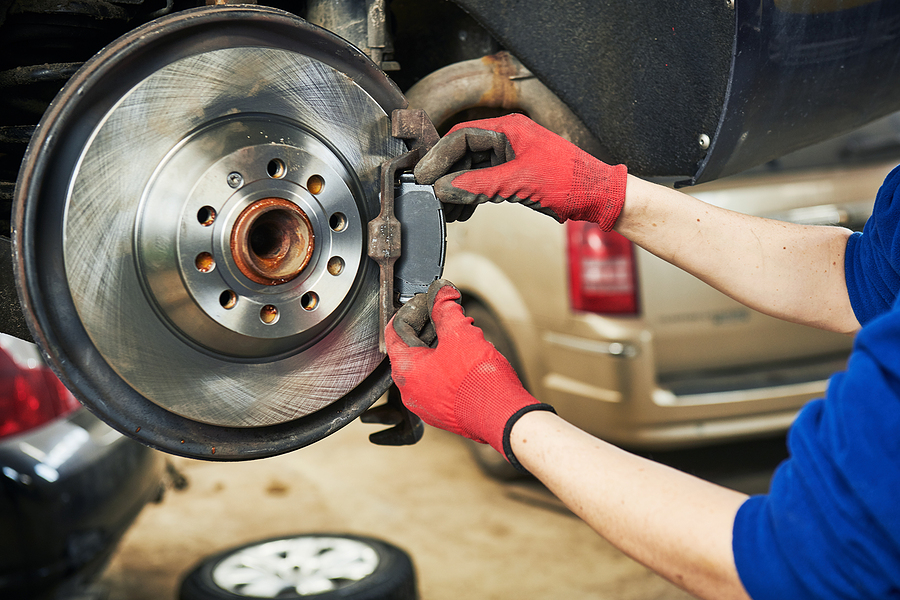
Your brakes are the most critical safety system on your vehicle. They respond hundreds of times every single trip—slowing you down in traffic, stopping you at intersections, keeping you in control when conditions change without warning. Yet brake maintenance is one of the most commonly overlooked aspects of vehicle care.

Brake pads wear down gradually. There’s no dramatic moment when they suddenly stop working. Instead, your vehicle sends subtle—and sometimes not-so-subtle—signals that something needs attention. Learning to recognize those signals early can be the difference between a routine service appointment and a much costlier repair.

This guide breaks down the five most common warning signs that your brake pads are nearing the end of their life, along with answers to frequently asked questions about brake lifespan and replacement costs.

Call 317-247-8484 to Check Our Indianapolis Auto Parts Department for New Car Brake Pads!

High-Pitched Squealing or Screeching Sounds

That squealing sound from your brakes is intentional—and it means your pads are running low. Most brake pads are built with small metal tabs called wear indicators, or “squealers.” According to Chapel Hill Tire, these are metal tabs that protrude to the safe level of brake pad thickness. Once the pad material wears below that threshold, the metal tab makes direct contact with the rotor, producing that high-pitched squeal or screech you hear when you apply the brakes.

So, if your brakes have been singing at you lately, that’s your car’s built-in warning system doing exactly what it was designed to do. Don’t ignore it.

A few other things can cause squealing—surface rust after rain, metallic brake pad composition, or road debris caught between the pad and rotor—but if the noise is consistent, especially when you brake, worn pads are the most likely cause. Have them inspected promptly.

Grinding Metal Noises When Applying Pressure

A grinding sound means the brake pads are gone and metal is now contacting metal. Squealing gives you a warning window. Grinding means that window has closed. According to AutoZone, a grinding noise indicates metal-on-metal contact, which could mean severe damage. At this point, the friction material on the brake pad has been completely worn away, and the metal backing plate is pressing directly against the rotor.

This is a serious situation. Continued driving without addressing it can score deep grooves into your rotors, damage your calipers, and significantly compromise your ability to stop. What started as a straightforward brake pad replacement can quickly escalate into a much more expensive repair.

If you’re hearing grinding when you brake, have your vehicle seen by a mechanic as soon as possible—not next week, not after the weekend.

Looking for car brake parts in the Indianapolis area? Reach out to our new and used auto parts division for free inventory checks and sales!

Vibrating or Pulsating Brake Pedal

A pulsating pedal is a sign that your brake rotors have developed an uneven surface. Press the brake pedal and feel a rhythmic throbbing sensation under your foot? That’s your brake system telling you that something isn’t flat and smooth the way it should be.

NRS Brakes explains this clearly: the technical term is Disc Thickness Variation (DTV), which means the rotor’s braking surface has developed high spots and low spots. As the rotor spins, your brake pads are forced to ride over this uneven terrain, which creates that pulsating sensation in the pedal. If the vibration travels up through the steering wheel instead, it typically points to the front rotors. A shaking felt through the seat often signals a rear rotor issue.

The root cause is almost always excessive heat—hard stops from high speeds, riding the brakes on long descents, or a sticking caliper that creates constant friction on the rotor. Left unaddressed, the vibration gets worse and stopping performance drops.

Taking Longer to Reach a Full Stop

If your car is taking noticeably longer to stop, brake fade may be to blame. Brake fade is what happens when your braking system can no longer generate enough friction to stop your vehicle in an appropriate amount of time or distance. As Tires Plus describes it, you have to press the brake pedal farther down and for longer than before—and you can feel the difference.

It’s most common when the braking system is overworked: stop-and-go traffic, long downhill stretches, towing heavy loads, or aggressive driving. All of these scenarios generate heat faster than the system can release it. When heat buildup becomes excessive, your brakes lose their responsiveness.

Worn brake pads are a direct contributor to brake fade. Old or degraded pads lose their friction properties, meaning your car needs more pedal effort and more distance to reach a full stop. If stopping distances feel longer than usual, treat it as a safety issue and get your brakes checked.

Dashboard Warning Lights and Sensors

A brake warning light on your dashboard is not something to dismiss. Modern vehicles are equipped with electronic sensors that monitor brake pad thickness and alert you when replacement is due. PowerStop explains that some brake pads use electronic sensor wires—when the pad wears down to the minimum safe thickness, the sensor contacts the rotor and triggers a brake pad warning light on your dashboard.

Beyond the pad wear indicator, there are a few other brake-related lights to know:

  • Brake Light (!): Often signals low brake fluid, which can indicate a leak or heavily worn pads.
  • ABS Light: Points to an issue with the Anti-Lock Brake System—a separate but connected safety system.
  • Parking Brake Light: Can indicate the parking brake is still engaged, or signal a sensor fault.

PowerStop recommends replacing brake pads when thickness reaches approximately 4.5mm or below. Any thinner and stopping power becomes compromised, and rotor damage becomes a real risk. If any of these lights come on while driving, pull over safely and have your vehicle inspected before driving further.

Frequently Asked Questions

How long do brake pads typically last?

Brake pad lifespan varies significantly depending on your vehicle type, driving style, and road conditions. AutoZone puts the typical range at 30,000 to 70,000 miles. Compact sedans often see pads last toward the upper end of that range, while heavier vehicles like full-size SUVs tend to wear through pads faster. City driving, with its frequent stops, also shortens pad life compared to highway commuting.

How much does brake pad replacement cost?

The cost of brake pad replacement depends on your vehicle and the quality of the parts used. Parts alone typically run around $150 per axle on average, though this can reach approximately $300 per axle depending on the vehicle and pad type. Labor costs vary by location and shop. Investing in quality parts up front tends to reduce the frequency of future replacements.

Can I drive with worn brake pads?

Technically, yes—but it’s not safe and it will cost you more in the long run. Driving on worn pads risks damaging your rotors, which are significantly more expensive to replace. More importantly, worn pads reduce your ability to stop quickly in an emergency. Address the problem as soon as the warning signs appear.

How often should brakes be inspected?

AutoZone recommends checking your brakes every time you change your engine oil, or at least once per year. Regular inspections catch wear early, before it leads to rotor damage or safety issues.

Quick Recap:

  • Squealing or screeching when you brake — wear indicators making contact with the rotor
  • Grinding metal noise — brake pad material is gone; metal-on-metal contact occurring
  • Vibrating or pulsating pedal — uneven rotor surface (Disc Thickness Variation)
  • Longer stopping distances — brake fade caused by heat buildup or worn pads
  • Dashboard warning lights — electronic sensor alerting you to low pad thickness or brake system issues

Don’t Wait Until It’s Too Late

Brake maintenance isn’t just about avoiding expensive repairs—it’s about staying safe on the road. The warning signs above are your vehicle’s way of asking for attention. Catching them early keeps costs manageable and keeps you in control when it matters most.

Need parts for a brake job in Indianapolis? Contact Zore’s Inc. today to check our inventory of quality new and used auto parts. Our team can help you find what you need to get your vehicle stopping safely again.

Call Now to Inquire

Related Post: Stranded 101: How to Handle a Sudden Car Breakdown

National Battery Day: Safe Disposal Guide

Batteries power everything from the watch on your wrist to the car in your driveway, yet we rarely think about them until they run out of juice. National Battery Day, observed annually on February 18th, commemorates the birthday of Alessandro Volta, the Italian physicist who invented the first electric battery. While this day celebrates the technology that keeps our lives moving, it also serves as a crucial reminder to handle and dispose of these energy sources responsibly.

TL;DR & Key Takeaways:

National Battery Day is more than a history lesson; it is a call to action for environmental safety. Improper battery disposal can lead to chemical leaks, landfill fires, and soil contamination.

  • Safety First: Never throw lithium-ion or rechargeable batteries in the trash; they are fire hazards.
  • Tape Terminals: Always tape the contact points of used batteries before recycling to prevent short circuits.
  • Car Batteries: Lead-acid batteries are highly recyclable (99% rate) but contain toxic materials that require professional handling.
  • Local Options: Indianapolis residents have specific drop-off locations and services for safe disposal.

Table of Contents:

  1. Why Proper Battery Disposal Matters
  2. Tips for Safe Battery Disposal
  3. Local Disposal Options in Indianapolis
  4. Environmental Impact of Batteries
  5. Additional Resources
National Battery Day

Why Battery Recycling is Critical for the Planet

Recycling batteries prevents hazardous materials from entering the environment and allows valuable resources to be reused. When batteries end up in standard landfills, the casing can corrode over time. This allows chemicals like lead, mercury, and cadmium to leach into the soil and groundwater, posing serious health risks to humans and wildlife. Furthermore, the materials inside batteries—such as lithium, cobalt, and nickel—are finite resources.

Recycling ensures these materials are recovered and used to manufacture new products, reducing the need for destructive mining practices.

How to Handle Household Battery Disposal

Household batteries require specific handling based on their chemistry to ensure safety and environmental protection.

Alkaline Batteries (AA, AAA, C, D)

In many areas, single-use alkaline batteries are classified as non-hazardous and can technically go in the trash. However, recycling is always the superior choice to recover steel and zinc.

Lithium-ion and Rechargeable Batteries

These should never be placed in your household trash or recycling bin. These batteries power laptops, phones, and power tools. If they are crushed in a garbage truck or processing facility, they can spark and cause massive fires.

The “Tape Rule”

To prevent fires, the EPA recommends taping the exposed terminals (ends) of your batteries with clear packing tape or electrical tape. Alternatively, you can place each battery in its own plastic bag. This prevents the terminals from touching other batteries or metal objects, which can complete a circuit and generate heat or sparks.

The Importance of Car Battery Recycling

Call 317-247-8484 to Recycle an Old Car Battery in Indianapolis

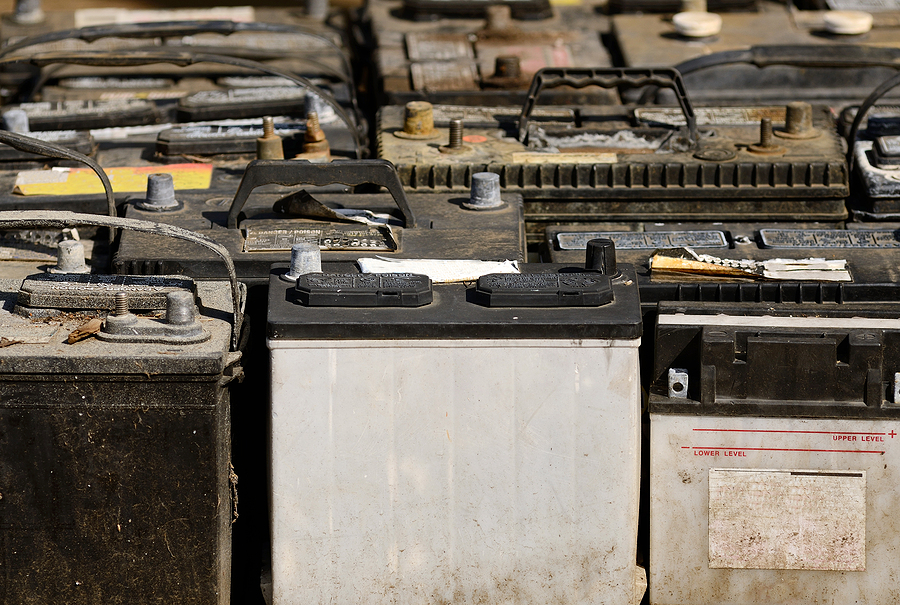
Lead-acid car batteries are among the most recyclable consumer products in the world, yet they are also among the most hazardous if mishandled. A standard car battery contains lead and sulfuric acid. If dumped illegally, the acid can contaminate water sources, and the lead can cause severe neurological damage. However, the recycling system for these batteries is a circular economy success story.

According to industry data, nearly 99% of lead-acid batteries are recycled. The plastic case is crushed into pellets for new cases, the acid is neutralized or converted into sodium sulfate, and the lead is melted down to be used in new car batteries.

Battery Disposal in Indianapolis

Indianapolis provides specific resources for residents to dispose of hazardous waste safely, ensuring toxic materials stay out of local landfills.

Residents of Marion County can utilize ToxDrop sites for household hazardous waste (HHW). These locations typically operate on Saturdays.

  • Traders Point Collection Facility: Open the first Saturday of each month.
  • Perry Township Government Center: Open the second Saturday of each month.

These sites accept various battery types, including AA, AAA, and lead-acid batteries. However, carrying heavy car batteries to a drop-off center can be inconvenient. If you have old automotive batteries sitting in your garage, you may be able to turn that waste into cash.

Zore’s Inc. buys old and broken car batteries. If you are in the Indianapolis area, you can bring your used lead-acid batteries to us for safe, responsible recycling—and get paid for it. Get a free offer now.

Frequently Asked Questions

What happens if I throw a lithium battery in the trash?

Discarding lithium batteries in the trash is dangerous because they can be crushed by waste management equipment. This pressure can puncture the battery, causing it to self-ignite and start fires in garbage trucks or landfills.

Do I really need to tape my batteries?

Yes. Even a “dead” battery often retains a small amount of charge. If the positive and negative terminals touch metal or another battery, it can spark. Taping the terminals is a simple step that significantly reduces fire risk.

Can I recycle leaking batteries?

Leaking batteries are hazardous. You should not place them in standard battery recycling bins. Instead, place the leaking battery in a clear, sealable plastic bag and take it to a specialized household hazardous waste facility like a ToxDrop site.

Quick Recap:

  • Celebrate: Mark Feb 18th by gathering your dead batteries.
  • Identify: Separate single-use alkaline from lithium/rechargeable types.
  • Protect: Tape the ends of lithium and button-cell batteries.
  • Recycle: Take household batteries to a drop-off center; do not trash them.
  • Earn: Sell your old car batteries to a recycler rather than letting them sit.

A Final Thought on Energy Responsibility

Batteries give us the freedom to work, play, and travel without being tethered to a wall outlet. However, that convenience comes with a responsibility to the planet. By taking a few extra minutes to sort, tape, and recycle your batteries, you contribute to a safer environment and a more sustainable future.

If you have a used car battery collecting dust, don’t wait for it to leak. We buy old and broken car batteries in Indianapolis. Contact us today to recycle your battery responsibly and put some money back in your pocket.

Call Now

Related Post: Essential Car Battery Tips Every Car Owner Should Know

Recycling Electrical Wiring: A Guide to Get You Started

TL;DR: Recycling electrical wiring is crucial for conserving resources and reducing environmental impact. This guide covers everything from identifying recyclable materials to finding the right recycling services.

Key Takeaways:

  • Why recycle electrical wiring?
  • How to identify recyclable components
  • Finding e-waste and copper recycling services

Table of Contents:

  1. Why Is Recycling Electrical Wiring Important?
  2. What Parts of Electrical Wiring Can Be Recycled?
  3. How Do You Prepare Electrical Wiring for Recycling?
  4. Where Can You Recycle Electrical Wiring in Central Indiana?
  5. FAQs About Recycling Electrical Wiring
  6. Quick Recap
  7. Conclusion

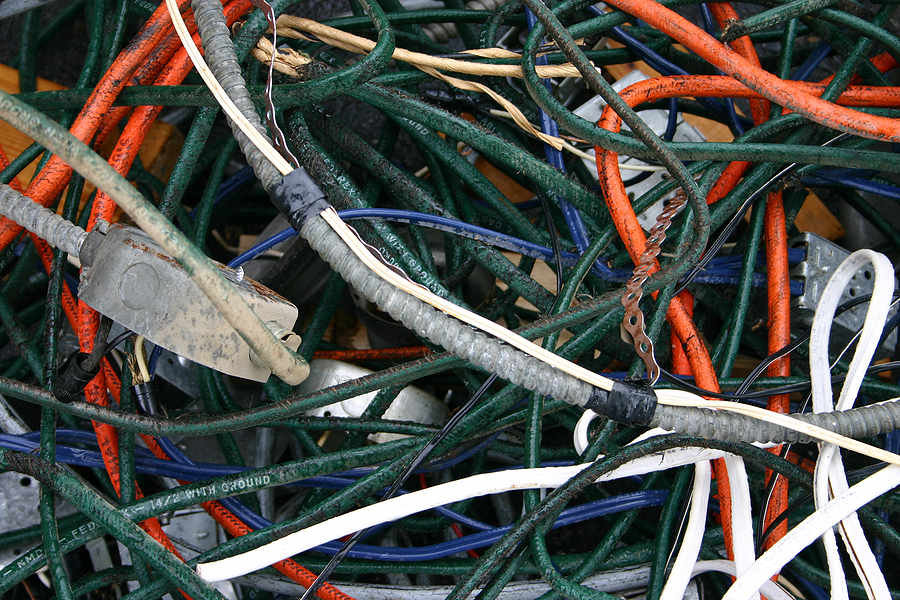
If you’ve ever glanced at a tangle of old cables in your garage or an excess of wiring from a renovation project and wondered if it belongs in the trash, you’re not alone. While throwing it away might seem like the easiest option, those wires are often packed with valuable materials that can—and should—be given a second life. In fact, disposing of electronics and certain components in regular trash is often prohibited by state regulations because of the environmental risks they pose.

Recycling electrical wiring isn’t just about following the rules; it’s a powerful way to conserve natural resources. Inside those rubber coatings lie precious metals like copper and aluminum, which require significant amounts of energy to mine and refine from scratch. By recovering these metals, we reduce the strain on our planet and cut down on the harmful emissions associated with mining new materials.

This guide will walk you through the essentials of recycling electrical wiring. Whether you are cleaning out a home office or managing a construction site, you will learn why this process matters, how to prepare your materials safely, and exactly where to take them in Central Indiana.

Call 317-247-8484 For Copper Wire Recycling Service in Indianapolis Indiana

Why Is Recycling Electrical Wiring Important?

Recycling electrical wiring conserves valuable resources like copper, reduces landfill waste, and lowers energy consumption.

Conserving Natural Resources

Electrical wiring is a goldmine—sometimes literally, but more often figuratively—of valuable metals. Copper, the most common conductor found in wiring, is infinitely recyclable. According to the International Copper Association, recycled copper requires 85% less energy to process than producing new copper from raw ore. This massive energy saving translates directly into fewer carbon emissions and a smaller environmental footprint.

Preventing Environmental Hazards

Many older electronics and cables contain hazardous materials. When left to decompose in a landfill, the insulation and heavy metals can leach into the soil and groundwater, posing risks to local ecosystems and public health. In Indiana, state regulations (specifically Indiana Code regarding e-waste) prohibit households, small businesses, and schools from discarding covered electronic devices in the trash. While cables themselves fall into a gray area for curbside bins, they are often attached to devices that must be recycled properly.

Supporting the Circular Economy

By recycling wiring, you are contributing to a circular economy where materials are kept in use for as long as possible. The U.S. Geological Survey estimates that recycling just one million laptops saves the energy equivalent to the electricity used by more than 3,500 U.S. homes in a year. While that stat applies to whole devices, the wiring inside plays a significant role in that recovery value.

What Parts of Electrical Wiring Can Be Recycled?

Copper, aluminum, and certain plastics in electrical wiring are recyclable.

The Metal Core

The most sought-after component in electrical wiring is the metal core.

  • Copper: Highly conductive and valuable, copper is found in everything from household extension cords to heavy-duty industrial cables. It is often graded by recyclers based on purity (e.g., “bright copper” vs. oxidized wire).
  • Aluminum: Often used in power grid lines and some household wiring, aluminum is lighter and less conductive than copper but still highly recyclable.

The Insulation

The plastic or rubber coating (insulation) that protects the wire is technically recyclable, though it is harder to process than the metal. High-end recycling facilities like Zore’s Inc. in Indy use specialized granulators to strip this insulation and separate it from the metal. While you might not get paid for the plastic weight at a scrap yard, ensuring it doesn’t end up in a landfill is a key benefit of using professional e-waste services.

How Do You Prepare Electrical Wiring for Recycling?

Safely remove any insulation and separate the different metals before recycling.

Safety First

Before you start cutting or stripping wires, ensure they are completely disconnected from any power source. Never attempt to recycle wiring that is still live. Additionally, avoid burning insulation off wires. This is a dangerous, illegal practice that releases toxic fumes into the air and ruins the quality of the copper for recyclers.

Sorting Your Wires

Scrap yards and recycling centers often pay different rates for different types of wire. To maximize efficiency (and potential payout):

  • Separate by type: Keep aluminum wires separate from copper ones.
  • Separate by grade: “High grade” wire (like single-strand electrical wire) is worth more than “low grade” wire (like old holiday lights or extension cords with heavy plugs).

Stripping the Insulation

If you are taking your wire to a scrap yard to sell, you will get a better price for “bare bright” copper than for insulated wire. You can use a handheld wire stripper for small batches. However, for general e-waste recycling where profit isn’t the goal, you typically do not need to strip the wire. Facilities like Zore’s Inc. in Indianapolis accept insulated wires and handle the separation process industrially.

Where Can You Recycle Electrical Wiring in Central Indiana?

If you have a large quantity of copper wiring (from a remodel, for instance) and want to recoup some costs, search for local scrap metal recyclers. Facilities often buy insulated and bare copper wire by the pound. Be sure to call ahead to check their current buying prices and preparation requirements.

FAQs About Recycling Electrical Wiring

Is it safe to recycle electrical wiring myself?

It is safer to use professional services due to potential hazards. Burning wire to remove insulation is dangerous and illegal. Furthermore, attempting to strip large quantities of wire without proper tools can lead to injury. Professional recyclers have the machinery to handle these materials safely and efficiently.

Can I get paid for recycling copper wiring?

Yes, depending on the market value and the quantity you have. “Scrapping” is a common practice. Clean, stripped copper wire fetches the highest price, while insulated wire pays less because the yard has to do the work of separating the materials. If you have just a few cords, the payout may be negligible, making donation-based recycling a better use of time.

Can I put electrical wires in my curbside recycling bin?

Generally, no. Cords and cables are known as “tanglers” in the recycling industry. They can wrap around the gears of sorting machines at recycling facilities, causing shutdowns and equipment damage. Always take them to a designated drop-off point.

Quick Recap:

  • Recycling conserves resources: It saves huge amounts of energy compared to mining new metals.
  • Copper and aluminum are key: These metals are infinitely recyclable and highly valuable.
  • Proper preparation is essential: Sort your wires and never burn insulation.
  • Utilize local recycling services: Use Zore’s Inc. in Central Indiana to keep wires out of the landfill.

Conclusion

Recycling electrical wiring is essential for a sustainable future. It transforms what looks like junk into valuable raw materials, saving energy and protecting our local soil and water from hazardous waste. By taking the small step to sort and transport your old cables to a proper facility, you are playing a vital role in the health of our environment.

For e-waste and copper recycling services in Central Indiana, contact Zore’s today! Whether you have a garage full of old cables or industrial scrap, we can help you find the responsible solution.

Call Now to Get Started

Related Post: Recycle Copper, Save the Planet: Key Facts and Benefits

Used Transmission Costs: What to Pay and How to Avoid a Lemon

Few moments in vehicle ownership are as heart-stopping as when your transmission starts to slip or fails completely. It is the complex powerhouse of your vehicle, responsible for transferring engine power to the wheels, and replacing it is widely known as one of the most expensive auto repairs you can face. For many drivers, the quote for a brand-new or rebuilt unit can be shocking—sometimes exceeding the current value of the car itself.

This is where the used transmission market steps in as a financial lifeline. Opting for a used unit from a salvage yard or recycler can save you thousands of dollars, keeping your vehicle on the road without breaking the bank. However, buying used comes with its own set of risks. Without proper knowledge, you might end up trading one broken part for another. Understanding the costs, the necessary inspections, and the right questions to ask is vital for making a purchase that is both economical and reliable.

Call 317-247-8484 to Inquire About a Used Transmission for Sale in Indianapolis

The Price Tag: How Much Does a Used Transmission Cost?

When you start shopping for a replacement, you will likely see a wide range of prices. On average, you can expect to pay between $800 and $2,500 for a functional used transmission.

This price fluctuation isn’t random; it depends heavily on several factors, including but not limited to:

  • Vehicle Make and Model: A transmission for a common domestic sedan (like a Ford Taurus or Chevy Impala) is generally cheaper and easier to find than one for a luxury import (like a BMW or Mercedes-Benz).
  • Availability: If your car is a rare model or significantly older, finding a compatible donor vehicle in a salvage yard becomes harder, driving the price up.
  • Mileage: Lower-mileage units command a premium because they likely have more life left in them.

To put these numbers in perspective, comparing them to other options is helpful. A remanufactured transmission—one that has been factory-restored to like-new standards—typically costs between $1,300 and $3,400.

A rebuilt transmission, where a mechanic replaces only the worn parts inside your existing casing, can range from $1,500 to over $5,000 depending on the damage. Buying used offers the lowest entry price, but it requires careful vetting to ensure you are getting value for your money.

What Buyers Should Know Before Purchasing

Buying a used mechanical part is not like buying a used fender or door handle. You cannot simply look at the outside to know if it works. You need to be a detective to ensure the internal components are sound.

Crucial Inspection Tips

If you are visiting a salvage yard in person, or if the seller sends you photos, look for these indicators of health:

  • Fluid Condition: Pull the dipstick or check the fluid port. Healthy transmission fluid should be a translucent pink or red. If the fluid is dark brown, black, or smells like burnt toast, walk away. This indicates the unit has overheated or the internal clutches are burnt out.
  • Physical Damage: Inspect the casing for cracks, especially around the mounting bolt holes. A cracked case can lead to catastrophic leaks once installed.
  • Port Protection: Check if the fluid lines and openings were capped or plugged after the unit was removed. If they were left open, dirt, water, and debris could have contaminated the sensitive internal valves.

Questions to Ask the Seller

Never buy blindly. Whether you are at a counter or on the phone, ask these questions to gauge the quality of the part:

  • “What was the mileage on the donor vehicle?” Ideally, you want a unit with average or below-average mileage for its age (roughly 12,000 miles per year).
  • “Was the donor car in a front-end collision?” While a rear-ended car often has a perfectly good transmission, a severe front-end impact can damage the transmission case or the torque converter.
  • “Has this unit been dyno-tested?” Some high-end recyclers will test the transmission on a machine before selling it. While rare for standard salvage yards, it is a huge plus if available.

Understanding Warranty Options

Warranties in the used auto parts world have improved significantly. The old “tail light warranty” (guaranteed until you see the tail lights leave the parking lot) is mostly a thing of the past.

Today, reputable salvage yards typically offer a 90-day standard warranty. This protects you against a defective part—if the transmission slips or fails within three months, they will replace it or refund the purchase price.

The “Parts-Only” Caveat: It is crucial to read the fine print. Most standard used warranties are “parts-only,” meaning they do not cover the cost of labor. If you pay a mechanic $1,000 to install a transmission and it turns out to be a dud, the warranty will get you a new transmission, but you will have to pay the mechanic a second time to install the replacement. Some metal recyclers offer extended warranties that include labor coverage for an extra fee—this is often worth the investment for peace of mind.

Check Our Indy Auto Parts Store for Your Preferred Part

The Hidden Cost: Installation Considerations

The cost of the part is only half the equation. The labor to install a transmission is intensive. You should budget anywhere from $500 to $1,500 for labor at an independent shop, though dealerships may charge significantly more.

The job involves lifting the vehicle, disconnecting the driveshaft and axles, and physically wrestling a heavy component out of the engine bay. It takes a professional mechanic anywhere from 4 to 10 hours depending on the vehicle—front-wheel-drive cars are notoriously more difficult because the engine often has to be partially supported or moved.

DIY vs. Professional Installation

Unless you are an experienced home mechanic with a vehicle lift, transmission jacks, and a full suite of tools, this is generally not a DIY project. The safety risks of working under a heavy component, combined with the precision required to align the torque converter and bell housing, make it a job best left to pros.

Recommended “While You’re There” Maintenance

When installing a used transmission, do not just bolt it in and drive away. To protect your investment, most experts recommend replacing the following items during installation:

  • Front and Rear Seals: These rubber seals are cheap to buy but expensive to access later. Replace them now to prevent future leaks.
  • Transmission Filter and Pan Gasket: Start fresh with a new filter.
  • Transmission Fluid: Never reuse old fluid. Fill the unit with the manufacturer-specified fresh fluid.
  • Transmission Cooler Flush: You must flush the cooling lines in your car to ensure no debris from the old, failed transmission enters the new replacement.

Smart Savings for Your Vehicle

Choosing a used transmission is a smart economic decision that can extend the life of your vehicle without the massive price tag of a new unit. By doing your homework—checking the fluid, verifying the mileage, and securing a solid warranty—you can drive away with confidence. Remember, the goal isn’t just to find the cheapest part, but to find the healthiest part that fits your budget.

If you are looking for reliable used auto parts in Indianapolis to get your car back in gear, check out Zore’s Indy. We offer a massive inventory of quality-inspected new and used car parts, including transmissions, backed by industry-standard warranties to give you peace of mind on the road.

Call Now to Inquire

Related Post: New or Used Car Parts: Making the Right Choice

How to Keep Your High-Mileage Vehicle Running Strong

There is a special bond that forms between a driver and a car that has weathered the years together. The odometer ticking past that six-figure mark isn’t just a number—it is a testament to road trips taken, commutes conquered, and reliable service delivered. But reaching this milestone brings a shift in responsibility. The carefree maintenance schedule of a new vehicle no longer applies, and ignoring small squeaks or leaks can quickly turn into catastrophic failures.

Caring for a high-mileage vehicle doesn’t mean you need to be a mechanic, but it does require a proactive mindset. With the right attention to detail, modern engineering allows vehicles to push well beyond what was once considered their expiration date. This guide explores exactly what your aging vehicle needs to stay safe, efficient, and on the road for the long haul.

Call 317-247-8484 to Get a Free Offer From a High Mileage Vehicle Buyer in Indianapolis Indiana

Understanding High-Mileage Vehicles

What actually counts as “high mileage” has shifted over the decades. In the past, hitting 100,000 miles was often the signal to start looking for a replacement. Today, improved manufacturing tolerances and better lubricants mean that 100,000 miles is often just middle age.

While there is no strict industry standard, most experts classify a vehicle as high-mileage once it exceeds 100,000 miles. However, mileage is just one part of the story. A car with 120,000 highway miles is often in better internal condition than a car with 80,000 miles of stop-and-go city driving.

A common misconception is that high-mileage cars are inherently unreliable money pits. The truth is that while parts do wear out, a well-maintained older vehicle is often far cheaper to operate than the monthly payments on a new one. The key difference is that reliability is no longer guaranteed—it must be earned through rigorous maintenance.

Essential Maintenance Tips

Fluids are the lifeblood of your vehicle. As seals age and internal tolerances loosen, fresh fluids become the primary defense against friction and heat.

Regular Oil Changes

Oil breaks down over time, losing its ability to lubricate engine parts effectively. For high-mileage engines, this is critical because older engines often have wider gaps between moving parts. Many mechanics recommend switching to “high-mileage” oil blends, which contain special conditioners that help swell rubber seals to prevent leaks and reduce oil consumption. Sticking to a strict schedule—typically every 3,000 to 5,000 miles—is the single best thing you can do for your engine.

Coolant Flushes

Overheating is a leading cause of death for older engines. Old coolant can turn acidic, eating away at gaskets and internal metal components. A coolant flush removes rust and scale deposits that build up over time, ensuring your radiator and water pump can effectively regulate the engine’s temperature.

Transmission Fluid Changes

Transmission failure is one of the most expensive car repairs you can face. As transmission fluid ages, it becomes filled with tiny metal shavings and debris, which can cause gears to slip or shift roughly. Changing the fluid and the filter helps maintain hydraulic pressure and ensures smooth shifting.

Brake Maintenance

Safety should never be compromised. Brake fluid attracts moisture over time, which can corrode metal brake lines and calipers from the inside out. Flushing the brake fluid every two years prevents this corrosion and ensures your brakes remain responsive when you need them most.

Wanna Sell Your Old Car? Get an Instant Offer Today!

Inspecting and Replacing Key Components

Beyond fluids, specific physical components take a beating over the years. Catching these issues early prevents roadside breakdowns.

Belts and Hoses

Rubber degrades with heat and age. A timing belt snapping while you are driving can instantly destroy your engine. Inspect your belts for cracking, fraying, or glazing. Similarly, check radiator hoses for soft spots or bulges. If a hose feels brittle or overly squishy, it is time for a replacement before it bursts.

Spark Plugs

Worn spark plugs cause misfires, rough idling, and poor fuel economy. Replacing them is often an affordable maintenance task that restores engine power and efficiency. If your engine feels like it is “stumbling” during acceleration, your spark plugs are often the culprit.

Battery Health

An old battery is a gamble you don’t want to take, especially in extreme weather. Most batteries have a lifespan of three to five years. If your car struggles to turn over on a cold morning, have the battery tested immediately.

Tires

Tires are your only contact with the road. Older suspension systems may cause tires to wear unevenly. Rotate your tires every other oil change to maximize their life, and check the sidewalls for dry rot—a common issue on older cars that aren’t driven daily.

Addressing Common High-Mileage Issues

Even with perfect maintenance, age brings specific challenges. Here is how to handle them.

Oil Leaks

If you spot dark spots on your driveway, don’t ignore them. Common leak sources include the valve cover gasket and the oil pan gasket. While some minor leaks can be managed by topping off oil regularly, significant leaks can lead to low oil pressure and engine damage.

Engine Knocking

Knocking sounds can range from minor issues, like using low-octane fuel, to major problems like worn rod bearings. If you hear a persistent knocking or tapping sound that speeds up as you accelerate, consult a professional immediately.

Decreased Fuel Efficiency

If you notice you are visiting the gas pump more often, it could be a sign of a clogged fuel injector, a dirty air filter, or a failing oxygen sensor. A simple tune-up often resolves these efficiency drains.

When Repair Costs Exceed Value

This is the toughest question for any owner of an older car. A good rule of thumb—supported by financial experts like Ramsey Solutions—is that if the cost of repairs exceeds the value of the vehicle, you should replace it.

However, context matters. If a $1,500 repair keeps a paid-off car running for another two years, that is still cheaper than two years of car payments. But if you are facing a $4,000 transmission rebuild on a car worth $2,000, it might be time to say goodbye and contact a junk car buyer in the area.

When is it time to let go? If the math no longer makes sense and your vehicle has become a financial burden, you have options. Many services offer cash for junk cars, providing a hassle-free way to offload a vehicle that is costing more than it’s worth.

Driving Habits for Longevity

How you drive matters just as much as how you maintain. Treat your high-mileage vehicle with a little extra respect.

  • Warm Up Gently: Give the engine 30 seconds to circulate oil before driving, and drive gently until the temperature gauge reaches normal operating range.
  • Smooth Inputs: Avoid “jackrabbit” starts and hard braking. Sudden stress is tough on aging mounts, suspension bushings, and driveline components.
  • Listen to Your Car: Turn down the radio occasionally. New noises are your car’s way of telling you something is wrong. Catching a noise early is almost always cheaper than waiting for it to break.

The Road Ahead

Reaching high mileage is a badge of honor for any vehicle. It proves that the car was built well and, more importantly, cared for well. By staying on top of fluids, inspecting wear items, and driving with care, you can often push a vehicle well past the 200,000-mile mark.

Whether you are looking to source affordable new and used auto parts in Indianapolis to keep your reliable ride going, or deciding it’s finally time to get cash for junk cars, we are your top resource. Contact Us Today to inquire about car parts or to sell your junk car for cash on the spot.

Call Us Now

Related Post: Essential Car Battery Tips Every Car Owner Should Know

How to Handle Abandoned Vehicles on Private Property

We’ve all seen them—those rusting, flat-tired eyesores that seem to sprout from the pavement like weeds. Whether it’s a tenant who moved out and left a sedan behind, or a stranger who decided your commercial parking lot was a long-term storage facility, discovering an abandoned vehicle on your private property is more than just an annoyance. It’s a liability.

While your instinct might be to call a tow truck immediately, Indiana has specific laws protecting vehicle owners that you must navigate first. Acting too rashly could land you in legal hot water. This guide breaks down the steps for legally removing unwanted vehicles from your Indiana property, ensuring you reclaim your space without inheriting a lawsuit.

Call 317-247-8484 For Private Property Towing in Indianapolis Indiana

Understanding Indiana’s Abandoned Vehicle Laws

Before you call a tow truck, you need to understand what legally constitutes an “abandoned vehicle.” In Indiana, this isn’t just a matter of opinion; it’s a matter of statutes.

According to Indiana Code (IC 9-13-2-1), a vehicle on private property is generally considered abandoned if it has remained there without the consent of the owner or person in control of the property for more than 48 hours.

However, for the specific purpose of removal, Indiana Code § 9-22-1-16 offers a slightly faster timeline for property owners. It states that if a vehicle believed to be abandoned on private property is not removed 24 hours after you’ve identified it, you (the property owner or manager) may have it towed.

The “Emergency Situation” Exception

There is a notable exception to the waiting period. If the vehicle creates an “emergency situation,” it can be removed immediately. The law defines an emergency as a situation where the vehicle:

  • Physically interferes with normal business operations.
  • Poses a threat to the safety or security of people or property.

Local Ordinances Matter

While state law provides a baseline, local municipalities often have their own enforcement procedures. For example, in Indianapolis and Marion County, the Department of Business & Neighborhood Services (DBNS) has a specific process involving a 72-hour notification tag before a vehicle is towed as a public nuisance. Always check your city or county ordinances to ensure you aren’t violating a stricter local rule.

Initial Steps: Identification and Documentation

Before taking action, you must build a record of the abandonment. If the vehicle owner later claims you towed their car illegally, your documentation will be your best defense.

  1. Time-Stamp Your Discovery: Note the exact date and time you first noticed the vehicle.
  2. Photographic Evidence: Take clear photos of the vehicle from multiple angles. Ensure you capture the license plate, the VIN (usually visible through the windshield on the driver’s side), and the vehicle’s position relative to your property lines.
  3. Check for Condition: Document factors that suggest abandonment, such as flat tires, broken windows, accumulated debris, or missing plates. These details help support your claim that the vehicle is truly abandoned and not just parked temporarily.

Owner Notification

If the vehicle belongs to a tenant or someone you know, a simple conversation or written request is the best first step. However, if the car is a mystery, your obligations shift.

While you are not strictly required to play private investigator, making a reasonable effort to notify the owner can protect you from liability. If the vehicle is in a residential complex, check your tenant registry against the license plate or parking permit number if applicable.

In many jurisdictions, law enforcement or authorized towing agencies handle the formal notification once the towing process begins. For instance, when a towing service takes possession of an abandoned vehicle, they are typically required to notify the owner and lienholder (via certified mail) within a specific timeframe to establish a mechanic’s lien for storage costs.

The Removal Process

Once the required time period (typically 24 hours under state statute) has passed, you can proceed with removal.

1. Contact a Reputable Towing Company

Do not attempt to tow or move the vehicle yourself. You must use a licensed towing company or salvage yard. When you call, clearly state that you are requesting a private property impound for an abandoned vehicle.

2. Complete Necessary Authorization

The towing company will likely require you to sign a towing authorization form or a “Request for Private Property Tow.” This document affirms that you are the property owner or authorized agent and that the vehicle has been on the property without consent for the statutory period.

3. Reporting to Law Enforcement

In many Indiana jurisdictions, the towing operator is required to report the impound to local law enforcement or the Bureau of Motor Vehicles (BMV) to ensure the vehicle isn’t listed as stolen. This reporting also kicks off the official “abandoned vehicle” paperwork trail, which is crucial if the vehicle goes unclaimed and needs to be sold or scrapped.

  • Note for Indianapolis Residents: If you are in Marion County, you may need to submit an affidavit to the DBNS to trigger an inspection and tagging process before a tow can occur, specifically for nuisance vehicles.

Request Private Property Towing Management in Indy

Prevention Tips

Dealing with abandoned vehicles is a headache best avoided. Here are a few ways to deter unauthorized parking on your property:

  • Clear Signage: Post visible signs at all entrances stating “Private Property: Unauthorized Vehicles Will Be Towed at Owner’s Expense.” Cite the towing company’s name and phone number on the sign.
  • Lighting and Security: Abandoned vehicles are often dumped in dark, unmonitored corners. ample lighting and visible security cameras can deter dumping.
  • Tenant Leases: If you manage a rental property, include a clear clause in your lease regarding inoperable or unregistered vehicles. Require all tenant vehicles to be registered with your office.

Conclusion

Handling abandoned vehicles requires a careful balance of patience and swift action. One misstep can lead to disputes or liability issues. Whether you manage a sprawling commercial complex or a multi-family residential unit, knowing the ins and outs of Indiana property law is essential for keeping your lot clear and compliant.

If you are dealing with persistent parking issues or need comprehensive support managing your real estate assets, professional help is available.

Need assistance with property management or towing coordination in Central Indiana? Contact our team today to streamline your operations and keep your property compliant.

Call Now for Service

Related Post: Property Management Towing in Indianapolis: A Complete Guide

Understanding Scrap Metal Value: How to Maximize Earnings

You might look at a rusted appliance, a pile of old copper wiring, or a broken-down vehicle and see nothing but clutter. However, to a scrap metal recycler, that “junk” represents a valuable commodity. Discarded metal is a resource that can be transformed, reused, and reintroduced into the manufacturing cycle, often putting cash directly into your pocket in the process.

Navigating the world of scrap metal recycling can feel intimidating if you are unfamiliar with the industry. Prices fluctuate daily, different metals command vastly different rates, and knowing how to prepare your materials can significantly impact your payout. Yet, understanding the basics of scrap metal value is a smart financial move for homeowners, contractors, and business owners alike.

This guide provides a comprehensive look at how scrap metal is valued, how to identify what you have, and the steps you can take to ensure you receive the best possible return for your materials.

Call 317-247-8484 to Speak With Our Scrap Metal Buyers Near Indianapolis

Factors That Influence Scrap Metal Prices

Much like the stock market, scrap metal prices are not static. They change frequently—sometimes daily—based on a variety of global and local economic factors. Understanding these variables can help you time your visit to the scrap yard for the best possible return.

Supply and Demand

The most significant driver of price is the global supply and demand for raw materials. When manufacturing industries are booming and construction projects are active, the demand for steel, copper, and aluminum rises. If the supply of new, virgin ore is low or expensive to mine, manufacturers turn to scrap metal as a cost-effective alternative, driving up the price recyclers are willing to pay.

Market Commodities

Scrap metal is a globally traded commodity. International trade policies, tariffs, and the economic health of major importing countries all play a role. For instance, if a major manufacturing nation reduces its import of scrap metal, domestic surpluses may increase, causing local prices to drop.

Location and Transportation

Your geographic location matters. Scrap yards must transport the metal they buy to processing facilities or mills. If a scrap yard is located far from these end-users, their transportation costs are higher, which may result in lower payout rates for the seller. Conversely, yards located near major ports or mills often offer more competitive pricing.

Quality and Quantity

Recyclers prefer bulk quantities and clean materials. Bringing in a truckload of metal is often more efficient for a yard to process than a single bag, which might earn you a slightly better rate. Furthermore, “clean” metal—material free of plastics, insulation, or other contaminants—is always worth more than “dirty” metal that requires extra labor to process.

Distinguishing Between Ferrous and Non-Ferrous Metals

To estimate the value of your haul, you must first understand the two primary categories of scrap metal: ferrous and non-ferrous. The difference in value between these two groups is substantial.

Ferrous Metals

Ferrous metals contain iron. They are generally strong, durable, and used in housing, large-scale piping, automobiles, and appliances. Because ferrous metals are so common and easier to recycle in bulk, they typically command a lower price per pound.

Common examples include:

  • Cast iron skillets or bathtubs
  • Wrought iron fences
  • Steel beams and construction scraps
  • Old automobiles
  • Major household appliances (washing machines, refrigerators)

Non-Ferrous Metals

Non-ferrous metals do not contain iron. These materials are highly resistant to rust and corrosion, making them incredibly desirable for manufacturing. Because they are scarcer than iron-based metals, they are significantly more valuable by weight.

Common examples include:

  • Copper: Found in plumbing pipes, electrical wiring, and roofing accents. This is often the most valuable scrap metal commonly found in households.
  • Aluminum: Found in soda cans, siding, gutters, and window frames.
  • Brass: Found in door handles, light fixtures, keys, and plumbing valves.
  • Stainless Steel: While it contains some iron, certain grades of stainless steel are treated as non-ferrous due to their nickel content and value. found in kitchen sinks and cookware.

How to Identify Your Metal

You do not need a degree in metallurgy to identify what is in your scrap pile. The most effective tool for identification is something you likely already have on your refrigerator: a magnet.

The Magnet Test

Place a magnet against the metal.

  • If the magnet sticks: You have a ferrous metal (steel or iron). It will be worth less per pound, but usually accumulates in higher weights.
  • If the magnet does not stick: You have a non-ferrous metal (copper, aluminum, brass, etc.). These should be separated carefully, as they are your high-ticket items.

Visual Cues

Once you have separated the non-magnetic items, look at the color and texture.

  • Copper: distinct reddish-orange color. If the copper is old, it may have a green patina.
  • Brass: Yellowish, similar to gold, but often used for hardware and valves.
  • Aluminum: Light silver or grey color. It is lightweight and does not rust.

Contact Us for a Free Scrap Metal Offer in Indy

Finding a Reputable Scrap Yard

Not all scrap yards operate with the same standards. Finding a trustworthy buyer is essential for a fair transaction.

Start by searching for local scrap metal recycling centers and reading customer reviews. Look for businesses that are transparent about their pricing. While many yards do not publish daily prices online due to market fluctuations, a reputable metal recycling facility should be willing to give you a rough estimate over the phone if you can describe your material accurately.

When you arrive, observe the facility. A professional operation will have clear signage, organized drop-off zones, and certified scales. The scale readout should be visible to you during the weighing process. Transparency at the scale is the hallmark of an honest recycler.

Strategies to Maximize Your Profits

If you dump a mixed box of metal onto the scale, the yard will likely grade the entire load as the lowest-value material present. To get the most money for your effort, a little preparation goes a long way.

Separate Your Load

Never mix ferrous and non-ferrous metals. If you have a bucket of copper wire mixed with steel screws, the buyer may pay you the steel price for the whole bucket. Separate everything by type before you leave home.

Clean Your Metal

“Cleaning” in the scrap industry does not mean washing with soap and water. It means removing contaminants.

  • Strip Copper Wire: Insulated copper wire pays decent money, but “bare bright” copper wire (wire with the plastic insulation stripped off) pays significantly more.
  • Remove Attachments: If you have an aluminum window frame with steel screws attached, remove the screws. This upgrades the aluminum from “dirty” to “clean.”
  • Drain Fluids: If you are scrapping car parts or engines, ensure all oil and fluids are drained. Many yards will refuse parts that are leaking fluids due to environmental regulations.

Protect Your Scrap

While scrap metal is durable, severe corrosion can decrease value. If you are stockpiling steel over a long period, try to keep it covered. Excessive rust reduces the weight of the actual metal vs. the oxide, which can affect the final price.

The Environmental Impact of Recycling

While the financial incentive is compelling, the environmental benefits of scrapping are equally significant. Recycling metal reduces the need for invasive mining projects, which destroy habitats and consume vast amounts of water and energy.

Recycling utilizes far less energy than producing new metal from virgin ore. For example, recycling aluminum saves approximately 95% of the energy required to make the same amount of aluminum from its raw source, bauxite. By selling your scrap, you are actively participating in a circular economy that conserves natural resources and reduces the volume of waste sent to landfills.

Turn Your Metal Waste into Opportunity

Understanding scrap metal value turns a chore into an opportunity. By recognizing the difference between ferrous and non-ferrous materials, monitoring market factors, and taking the time to separate and clean your metals, you can maximize your return on investment. Whether you are clearing out a garage, managing a construction site, or simply looking to be more eco-conscious, scrap metal recycling is a practical solution with tangible rewards.

If you are looking for a fair, transparent, and professional recycling partner in Indiana, look no further. Contact Zore’s in Indianapolis and Lebanon to recycle your scrap metal today and turn your unwanted materials into cash.

Call Now for a Free Offer

Related Post: Information About Indiana Scrap Metal Prices

Best Methods for Safely Towing a Truck

Towing a truck can seem like a straightforward task, but it requires careful preparation and an understanding of the right techniques. An incorrectly towed vehicle is not just a risk to your truck and the one being towed; it’s a significant hazard to everyone else on the road. A moment of oversight can lead to vehicle damage, accidents, or even serious injuries.

This guide provides a comprehensive overview of how to tow a truck safely and effectively. We will cover everything from understanding your vehicle’s capabilities to the essential equipment you’ll need, step-by-step instructions, and tips for maintaining your truck after the job is done. By following these best practices, you can ensure a smooth and secure towing experience.

Call 317-247-8484 For Pickup Truck Towing Service in Indianapolis

Understanding Your Truck’s Towing Capacity

Before you even think about connecting a trailer or another vehicle, you must know your vehicle’s towing capacity. This figure, determined by the manufacturer, is the maximum weight your car can safely pull. Exceeding this limit can put immense strain on your car’s engine, transmission, brakes, and frame, leading to mechanical failure and dangerous situations on the road.

To find your vehicle’s towing capacity, consult the owner’s manual. The manufacturer will provide specific weight ratings, including:

  • Gross Vehicle Weight Rating (GVWR): The maximum allowable weight of your fully-loaded car, including passengers, cargo, and tongue weight.
  • Gross Combination Weight Rating (GCWR): The maximum total weight of your car and the truck and/or trailer it is towing combined.
  • Tongue Weight: The downward force that the trailer tongue exerts on the hitch. This should typically be 10-15% of the total trailer weight.

Ignoring these ratings is a serious risk. Overloading your car can cause overheating, brake failure, and reduced steering control, making it difficult to manage your vehicle, especially on inclines or during sudden stops.

Essential Equipment for Successful Truck Towing

Having the right gear is non-negotiable for a safe towing operation. Your equipment must be rated for the weight you intend to pull and be in excellent working condition.

Key Towing Equipment

  • Tow Hitch: The critical connection point between your vehicle and the truck being towed. Hitches are categorized into classes (I-V) based on their weight capacity. Ensure your hitch class matches or exceeds your towing needs.
  • Tow Dolly or Trailer: A tow dolly lifts the front two wheels of the vehicle being towed off the ground, which is suitable for front-wheel-drive vehicles. A flatbed trailer carries the entire vehicle, which is the safest option for all-wheel-drive or four-wheel-drive trucks.
  • Tow Straps or Chains: Use heavy-duty tow straps or safety chains as a backup connection. These prevent the trailer from detaching completely if the primary hitch fails. Always cross the chains under the trailer tongue in an “X” pattern.
  • Brake Controller: For heavier loads, an electronic brake controller is essential. It synchronizes the trailer’s brakes with your truck’s brakes, providing smoother, more controlled stopping power.
  • Towing Mirrors: Standard side mirrors often don’t provide a wide enough view when a trailer is attached. Extended towing mirrors are necessary to eliminate blind spots and monitor traffic around your trailer.

Request Professional Truck Towing Service Now

Step-by-Step Guide to Hooking Up a Truck

Properly connecting your vehicle to another truck or trailer is a critical step. Rushing through this process can lead to a disconnected trailer on the highway—a worst-case scenario.

  1. Position the Vehicles: Park both your vehicle and the truck to be towed on a flat, level surface. Engage the parking brakes on both.
  2. Attach the Hitch: Align your car’s hitch with the trailer’s coupler. Slowly back your vehicle up until the coupler is directly over the hitch ball.
  3. Lower and Secure the Coupler: Lower the trailer coupler onto the hitch ball. Once it’s seated, close the latch and insert the safety pin to lock it in place.
  4. Connect Safety Chains: Attach the safety chains to your car’s frame, crossing them underneath the coupler. This ensures that if the hitch fails, the trailer remains connected.
  5. Hook Up Electrical Connections: Connect the trailer’s wiring harness to your vehicle’s electrical socket. Test the trailer’s brake lights, turn signals, and running lights to confirm they work correctly.
  6. Check and Adjust: Perform a final “pull test” by gently pulling forward to ensure the connection is secure. Double-check all connections—hitch, chains, and wiring—before you hit the road.

Best Practices for Safe Towing on the Road

Towing changes how your vehicle handles. It requires more focus, slower speeds, and greater anticipation.

  • Drive Slower: Maintain a lower speed than you normally would. This gives you more time to react and reduces strain on your vehicle.
  • Increase Following Distance: Your braking distance increases significantly when towing. Leave at least double the usual space between you and the vehicle ahead.
  • Make Wider Turns: Your trailer will cut corners more sharply than your car. Take turns wider than usual to avoid hitting curbs or other objects.
  • Be Mindful of Wind and Terrain: Crosswinds can cause the trailer to sway. Reduce speed if you feel the trailer moving erratically. When driving up or down hills, shift to a lower gear to give you more control and reduce strain on your engine and brakes.
  • Avoid Sudden Maneuvers: Sudden braking or swerving can cause you to lose control. Anticipate stops and lane changes well in advance.

Troubleshooting Common Towing Issues

Even with careful preparation, problems can arise. Knowing how to handle them is key.

Trailer Sway

This is one of the most dangerous issues. If your trailer starts to sway, do not slam on the brakes. Instead, take your foot off the accelerator and gently apply the trailer brakes using the manual controller if you have one. Keep the steering wheel straight until the sway stops. Trailer swaying is often caused by improper weight distribution or high speeds.

Overheating

Towing puts extra stress on your engine and transmission. If you notice your temperature gauge rising, pull over safely and let the engine cool down. Check coolant levels once the engine is cool.

Brake Problems

If you feel the brakes are not as responsive, pull over and inspect the connections. Ensure your brake controller is set correctly for the load you are carrying.

Truck Maintenance After Towing

Towing is demanding work for your vehicle. After completing a tow, it’s wise to perform a few maintenance checks to keep your vehicle in top condition.

  • Check Fluid Levels: Inspect the engine oil, transmission fluid, and coolant. Towing can cause these fluids to degrade faster.
  • Inspect Brakes and Tires: Look for signs of wear on your brake pads and check the tire pressure on both your vehicle and any trailer.
  • Examine the Hitch: Inspect your hitch for any signs of stress, cracks, or damage that may have occurred during the tow.

When to Call a Professional

While many towing tasks can be handled on your own, some situations require professional help. If your truck has broken down in a dangerous location, if you’re dealing with extreme weather conditions, or if the vehicle you need to tow is significantly damaged, calling a professional towing service is the safest choice. Professionals have the heavy-duty equipment and experience to handle complex situations without causing further damage.

Final Thoughts

Towing a truck doesn’t have to be intimidating. By understanding your vehicle’s limits, using the right equipment, and following safe driving practices, you can manage the task with confidence and security. Always prioritize safety over speed, and never hesitate to seek professional help when you’re out of your depth.

If you find yourself in a situation that requires expert assistance in Indianapolis or Central Indiana, don’t take any risks. Contact our professional truck towing service to ensure your vehicle is handled safely and efficiently.

Call Now for Fast Towing

Related Post: Why Choose Professional Semi-Truck Towing Services for Roadside Needs

New or Used Car Parts: Making the Right Choice

When your car needs a repair, you’re faced with a critical decision that impacts both your wallet and your vehicle’s performance: should you buy new or used car parts? This choice isn’t always straightforward. While new parts offer peace of mind, used parts present a compelling, budget-friendly alternative. Understanding the differences between these options is essential for making a confident and informed decision.

This guide will walk you through the key considerations for your next car part replacement. We will explore the cost, quality, and reliability associated with both new and used auto parts. By understanding the pros and cons of each, you can determine the best path forward for your specific repair, ensuring your vehicle remains safe and reliable without breaking the bank.

Call 317-247-8484 For New and Used Car Parts in Indianapolis Indiana

The Price Tag: A Detailed Cost Comparison

The most significant advantage of choosing used parts is the cost savings. For many car owners, especially those on a tight budget, this factor alone can be the deciding one. Used car parts can cost anywhere from 30% to 70% less than their brand-new counterparts. This substantial price difference can make a major repair, like replacing a transmission, much more manageable.

New parts, particularly Original Equipment Manufacturer (OEM) parts, come with a higher price tag. OEM car parts are made by the same company that manufactured your vehicle, guaranteeing a perfect fit and function. This quality assurance and the accompanying warranty contribute to their higher cost. While aftermarket new parts can be cheaper than OEM options, they still typically cost more than used parts.

Consider these examples:

  • Body Panels: If your car has cosmetic damage from a minor accident, a used door or fender in good condition can save you hundreds of dollars.
  • Headlights: A used headlight assembly can be a cost-effective solution, provided it’s free from cracks and hazing.

The savings from used parts also make them an attractive option for owners of older vehicles, where investing in expensive new auto parts may not be financially practical.

Quality and Reliability: What to Expect

When it comes to car part replacement, quality and reliability are non-negotiable. This is where the debate between new versus used parts becomes more complex.

New Car Parts (OEM and Aftermarket)

OEM parts are the gold standard for quality. They are identical to the parts your car was built with, ensuring seamless compatibility and optimal performance. Because they are new, they have a longer expected lifespan and come with the assurance of being in perfect working condition right out of the box.

New aftermarket parts are produced by third-party companies. While they can be a more affordable alternative to OEM auto parts, their quality can vary. Some aftermarket brands meet or even exceed OEM standards, while others may not. It’s crucial to research and choose reputable aftermarket manufacturers to avoid potential fitment or performance issues.

Used Car Parts

Used parts come from salvaged vehicles, often called “donor” cars. Their quality and reliability depend heavily on the part’s age, the mileage of the donor vehicle, and its overall condition. A part from a low-mileage car that was in a minor collision may be nearly as good as new. Conversely, a part from a high-mileage vehicle could be near the end of its life.

The environmental benefit is another point in favor of used parts. By purchasing used, you are recycling and extending the life of existing components, which reduces waste and the demand for new manufacturing.

View Our Auto Parts Inventory Now

Securing Your Purchase: Warranty and Returns

Warranty and return policies provide a safety net for your purchase, and they differ significantly between new and used parts.

New Parts

Nearly all new car parts, especially OEM parts, come with a manufacturer’s warranty. This typically covers defects for a specific period, such as one year or 12,000 miles. This warranty provides peace of mind, as you can get a replacement or refund if the part fails prematurely.

Used Parts

Warranties on used parts are less common and more varied. Reputable salvage yards or online sellers often provide a limited warranty, perhaps for 30 to 90 days. This protects you against receiving a part that is dead on arrival. However, some used parts are sold “as-is” with no warranty at all. Always clarify the warranty and return policy before buying a used part.

When Safety Comes First: Parts to Always Buy New

While used parts offer great value, some components are too critical to safety and performance to take a risk on. For these parts, new is the only responsible choice.

Brake Components

Your braking system is your car’s most important safety feature. Never compromise on parts like brake pads, rotors, calipers, or brake lines. Used brake parts may have hidden wear or structural fatigue that could lead to catastrophic failure. Always purchase these as new car parts to ensure maximum safety and reliability.

Engine Control Unit (ECU)

The ECU is your car’s brain, managing everything from fuel injection to ignition timing. A new ECU ensures it is programmed correctly for your specific vehicle model and has the latest software updates for optimal engine performance and efficiency. A rebuilt or used unit might not be fully compatible or could carry underlying issues from its previous vehicle.

Critical Suspension and Steering Parts

Components like ball joints, tie rods, and shock absorbers are subject to immense stress and wear. A failed suspension or steering part can cause you to lose control of your vehicle. Due to the high risk involved, it is always recommended to opt for new auto parts for these systems.

Finding Reputable Sources for Your Parts

Whether you choose new or used, buying from a trusted source is essential.

  • For New OEM Parts: Although buying from an authorized dealership for your car’s brand is ideal, it is often unaffordable. Yet they do guarantee genuine OEM parts that are right for your vehicle.
  • For New Aftermarket Parts: Reputable auto parts stores, both online and brick-and-mortar, offer a wide selection. Look for brands with positive reviews and strong warranty support.
  • For Used Parts: Seek out established salvage yards or certified automotive recyclers. Many have online inventories and provide part history and limited warranties. Online marketplaces can also be a source, but exercise caution and buy from sellers with high ratings and clear return policies.

Making the Best Choice for Your Vehicle

Deciding between new and used car parts involves weighing cost against quality, reliability, and peace of mind. New parts, especially OEM options, offer guaranteed performance and a solid warranty but come at a premium. Used parts provide significant cost savings and an eco-friendly advantage but require more diligence to ensure you’re getting a quality component.

For non-critical parts like body panels or mirrors on an older car, a used part is often a smart, economical choice. For essential safety and performance systems, investing in new parts is the wisest decision.

If you’re still unsure which option is right for your car part replacement, our team of experts is here to help. We can provide personalized advice to help you find the perfect balance of cost and quality for your vehicle’s needs.

Call Now to Ask About a Part

Related Post: Your Guide to Salvage Auto Parts

Recycle Copper, Save the Planet: Key Facts and Benefits

Copper wiring powers our homes. Copper pipes deliver clean water. Copper components keep our electronics running. This versatile metal is woven into the fabric of modern life, yet most of us rarely think about what happens when these items reach the end of their usefulness.

The truth is, copper recycling offers a powerful opportunity to protect our planet while creating economic value. Unlike many materials that degrade with reuse, copper maintains its quality through countless recycling cycles. This remarkable property, combined with the environmental and financial benefits of recycling, makes copper one of the most important materials in the circular economy.

Whether you’re a homeowner clearing out old wiring, a construction professional managing demolition waste, or a business looking to reduce your environmental footprint, understanding copper recycling can transform how you view scrap metal. Let’s explore why recycling copper matters and how you can participate in this essential practice.

Call 317-247-8484 to Get Started With Copper Recycling in Indianapolis Indiana

What Makes Copper Special?

Copper’s unique properties explain why it’s so valuable and recyclable. This reddish-brown metal conducts electricity and heat exceptionally well, making it indispensable in electrical systems, plumbing, and manufacturing. It’s naturally antimicrobial, which is why you’ll find it in hospitals and water systems. Copper also resists corrosion, ensuring longevity in pipes and marine applications.

Most importantly, copper is 100% recyclable without any loss of quality. You can recycle the same copper indefinitely, and it will perform just as well as newly mined material. This characteristic sets copper apart from many other materials and makes it a cornerstone of sustainable resource management.

The Environmental Case for Copper Recycling

The environmental benefits of copper recycling are substantial and measurable. Recycling copper requires up to 85% less energy than producing new copper from ore (Copper Development Association). This dramatic reduction in energy consumption translates directly to fewer greenhouse gas emissions and a smaller carbon footprint.

The numbers tell a compelling story. Recycling one ton of copper saves 7.3 tons of CO2 emissions—equivalent to taking multiple cars off the road for a year. Using recycled copper reduces air pollution by 86% and water pollution by 76% compared to primary production  (International Copper Association, 2021). These aren’t marginal improvements; they represent transformative environmental protection.

Mining operations can scar landscapes, disrupt ecosystems, and consume vast quantities of water. By choosing recycled copper, we reduce the demand for new mining and preserve natural habitats. About 40% of the world’s copper needs are currently met through recycling, but there’s significant room for improvement (International Copper Association, 2021).

Economic Advantages of Copper Recycling

Environmental benefits often come with economic trade-offs, but copper recycling delivers both. The scrap metal recycling industry creates jobs across collection, sorting, processing, and distribution. Professional metal recyclers employ thousands of workers and contribute significantly to local economies.

For individuals and businesses, copper has actual cash value. The copper value varies based on market conditions and the grades of copper you’re recycling, but it consistently commands good prices at scrap metal recycling facilities. Red copper, bare bright copper, copper wire, and copper pipes each have different values based on purity and condition.

Businesses that recycle copper can reduce waste disposal costs while generating revenue from materials they might otherwise discard. Construction companies, demolition contractors, electricians, and manufacturers can all benefit financially from systematic copper recycling programs.

Understanding Grades of Copper

Not all copper scrap is valued equally. Copper recyclers classify materials into different grades based on purity and condition, which directly affects what you’ll receive at a metal recycling center.

  • Bare bright copper is the most valuable grade—clean, uncoated copper wire that’s at least 99% pure with no oxidation.
  • Copper wire that still has insulation or coating is worth less due to the additional processing required.
  • Copper pipes contain high-quality copper but may have solder or fittings attached.
  • Red copper refers to clean copper scrap with minimal contamination.

Understanding these distinctions helps you prepare your materials properly and get fair compensation. Separating different grades before visiting copper recyclers can significantly increase the value of your scrap.

Recycle Scrap Copper For a Cash Payout Today!

How to Recycle Copper: A Practical Guide

1. Identify Your Scrap

Recycling copper is straightforward once you know the process. Start by identifying copper items in your home or business. Common sources include electrical wiring, plumbing pipes, old electronics, and household fixtures. Copper has a distinctive reddish-brown color, though it may develop a green patina over time.

2. Separate and Clean

Separate copper from other materials as much as possible. Remove insulation from copper wire recycling when feasible—bare copper fetches higher prices. Sort items by grade to maximize value. Clean materials are worth more than contaminated ones.

3. Locate a Trusted Metal Recycler

Find a reputable metal recycling center or copper recyclers in your area. Look for facilities with transparent pricing, proper licensing, and good community reputations. Zore’s Inc. in Indianapolis, for example, has built trust as experienced scrap metal recyclers that pay cash on the spot for scrap copper and other metals.

Bring your sorted materials to the facility. Most metal recyclers will weigh your scrap, verify the grades, and offer immediate payment. Some facilities provide pickup services for larger quantities, which is convenient for businesses or major renovation projects.

Frequently Asked Questions About Copper Recycling

What are the most common items that can be recycled for copper?

Electrical wiring, plumbing pipes, electronics, motors, air conditioning units, and various household fixtures all contain recyclable copper. Older homes undergoing renovation often yield significant copper from outdated plumbing and electrical systems.

How does recycling copper benefit the environment?

Recycling copper saves up to 85% of the energy required for primary production, reduces CO2 emissions by 7.3 tons per ton recycled, and decreases air and water pollution by more than 75% (International Copper Association, 2021). It also reduces the need for environmentally disruptive mining operations.

What is the process of recycling copper?

Copper recycling involves collection, sorting by grade, shredding or granulation, separation from other materials, melting, and purification. The refined copper is then cast into new forms for manufacturing.

How do I find a reliable copper recycling center?

Look for established metal recyclers with proper licensing, transparent pricing, and positive community reputations. Ask about their processes, how they determine grades, and what identification they require. Facilities like Zore’s Inc. that have served their communities for years are typically trustworthy options.

What should I know before selling scrap copper?

Understand the different grades of copper and how they’re valued. Clean, sorted materials fetch better prices than contaminated or mixed scrap. Remove insulation from wiring when possible. Bring identification, as recyclers must comply with anti-theft regulations. Get quotes from multiple facilities to ensure fair pricing.

What are the different grades of copper, and how do they affect value?

Bare bright copper (clean, uncoated wire) commands the highest prices. Copper wire with insulation is worth less. Copper pipes and red copper have intermediate values depending on condition and purity. Higher-grade materials require less processing and therefore receive better compensation.

Key Takeaways & Next Steps

Every pound of copper recycled makes a difference. Whether you’re clearing out old wiring from a home renovation, managing construction waste, or running a business that generates copper scrap, you have the power to contribute to environmental protection while earning fair compensation.

Start by identifying copper items you no longer need. Sort materials by grade to maximize their value. Research reputable copper recyclers in your area who offer transparent pricing and professional service.

For businesses generating regular copper scrap, establish a systematic recycling program. Train employees to recognize and separate copper materials. Build relationships with reliable metal recyclers who can provide convenient pickup services and fair pricing.

The combination of environmental benefits, economic incentives, and resource conservation makes copper recycling one of the most impactful actions you can take for sustainability.

Ready to turn your scrap copper into cash while protecting the planet? Contact our experienced copper recycling experts who can guide you through the scrap metal process and ensure you receive fair value for your materials.

Call Now to Get an Offer

Related Post: What You Need to Know Before Selling Your Scrap Copper