
Every reliable daily driver eventually needs a break. Parking an older, beat-up car for months at a time presents unique challenges that require careful preparation. Unlike a meticulously restored classic, a vehicle with 150,000 miles already has worn gaskets, minor rust spots, and aging wiring. Leaving it to sit without proper care can quickly turn standard wear and tear into severe mechanical failure.
A high-mileage car is especially vulnerable to the elements. Rubber seals dry out and crack, while old fluids become acidic and eat away at internal engine components. Moisture trapped in small crevices accelerates rust on compromised paint jobs.
Preparing your aging vehicle for a long hibernation will save you from costly repairs down the road. This guide covers the exact steps required to preserve your older car, from managing aging fluids to keeping pests out of fragile electrical systems.
Pre-Storage Checklist for Older Vehicles
Before you park your car for the season, a thorough preparation routine is crucial. Older cars lack the tight tolerances of brand-new vehicles, making them highly susceptible to decay when left idle.
Cleaning Your Vehicle
Dirt, road salt, and bird droppings hold moisture against your car’s exterior. Over time, this moisture degrades the clear coat and accelerates rust formation on exposed metal. Wash the car thoroughly, paying close attention to the wheel wells and undercarriage where grime accumulates. Vacuum the interior to remove food crumbs that might attract pests, and wipe down hard surfaces to prevent mold growth.
Fluid Management
Old oil holds moisture and acidic combustion byproducts. When a car sits, these contaminants corrode internal engine components. Change the oil and replace the filter right before storing the vehicle.
Fuel also degrades quickly. Modern gasoline contains ethanol, which attracts moisture and causes rust inside metal gas tanks. Fill the tank completely to leave no room for condensation, and add a high-quality fuel stabilizer. Run the engine for about ten minutes so the treated fuel circulates through the entire fuel system. Top off your coolant and brake fluid to prevent internal corrosion in those lines.
Tire Care for Extended Storage
Older tires often have existing wear and dry rot. When parked in one spot for an extended period, the weight of the car causes the rubber to flatten. This creates permanent flat spots that ruin the tire’s structural integrity. Overinflate your tires slightly above the recommended pressure to help them maintain their shape. For long-term storage lasting several months, consider placing the vehicle on sturdy jack stands to take the weight off the wheels entirely.
Battery Maintenance
Car batteries drain naturally over time. An older vehicle might also have hidden electrical gremlins that slowly siphon power. A dead car battery left sitting for months will freeze, sulfate, and become permanently useless. Disconnect the negative battery cable to stop parasitic drains. For the best results, remove the battery entirely and attach it to a smart trickle charger in a climate-controlled room.
Choosing the Best Storage Location
Where you park your high-mileage vehicle significantly impacts how well it survives the storage period. The right environment protects vulnerable components from rapid deterioration.
Indoor vs. Outdoor Storage Considerations
Storing a car indoors is always the safest option. A garage shields your vehicle from harsh sunlight, heavy rain, and fluctuating temperatures. UV rays fade interior plastics and destroy aging weatherstripping. If you must store the car outdoors, park it on a paved surface. Parking on grass or dirt allows ground moisture to rise into the undercarriage, which severely accelerates rust on older metal. This is especially true for junk cars.
Preparing Your Garage or Storage Unit
Sweep the floor of your storage space to remove dust and debris. Check the area for signs of water leaks or rodent activity. Laying a large plastic tarp on the concrete floor before parking your car creates a helpful vapor barrier. This prevents ground condensation from reaching the exposed metal on the bottom of your vehicle.
Climate Control and Ventilation
Extreme temperature swings cause condensation to form inside the engine block and cabin. A climate-controlled unit keeps temperatures stable and humidity low. If you are using a standard residential garage, ensure the space has adequate ventilation to allow damp air to escape. Leave the car windows cracked open just a fraction of an inch to let the interior breathe, preventing musty odors and mold.
Protecting Your Vehicle During Storage
Once your car is parked in its designated spot, you need to add a few final layers of defense.
Using Car Covers
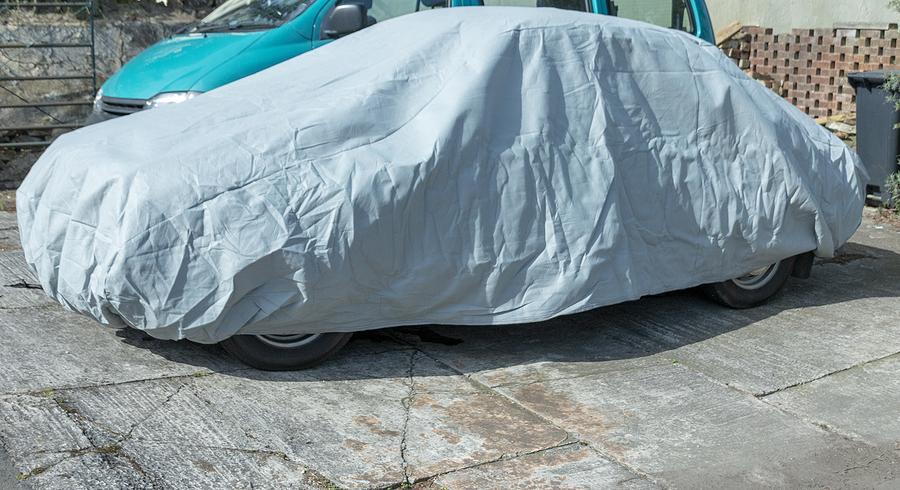
A high-quality car cover protects the paint from dust and accidental scratches. Choose a cover that is completely breathable. Waterproof covers trap condensation underneath, effectively steaming your car’s exterior and encouraging rust. If you store the car outdoors, ensure the cover fits snugly so the wind does not whip the fabric against the aging paint.
Pest Prevention Strategies
Rodents frequently seek shelter in the engine bays and exhaust pipes of stationary cars. They are notorious for chewing through the fragile wiring harnesses of older vehicles. Place steel wool inside the tailpipe and the engine air intake to block entry points. Scatter rodent repellent pouches or cedar blocks around the perimeter of the vehicle and inside the cabin. Remember to remove the steel wool before starting the car again.
Security Measures
Older vehicles are frequently targeted by thieves because their locks are easier to bypass and their parts are valuable. Do not leave the parking brake engaged, as the brake pads can fuse to the rusty rotors over time. Instead, use heavy-duty wheel chocks to prevent the car from rolling. Consider installing a steering wheel lock for an added layer of visual deterrence.
Maintaining Your Stored Vehicle
A stored car still requires occasional attention to remain in decent shape.
Regular Check-ups
Visit your vehicle once a month. Walk around the exterior to check for low tire pressure or signs of fluid leaks on the floor. Inspect the engine bay for any mouse droppings or chewed wires. Catching a small leak or a pest problem early prevents it from becoming a catastrophic failure later.
Starting the Engine Periodically
Running the engine occasionally keeps internal parts lubricated, but you must do it correctly. Simply turning the car on for three minutes does more harm than good. A short run time creates internal condensation but never gets hot enough to burn that moisture off. If you decide to start the car, let it run until it reaches full operating temperature. Shift through the gears slowly to circulate transmission fluid, and let the exhaust system get hot enough to evaporate trapped water.
FAQ: Storing Older Vehicles
How often should I start my car in storage?
If the vehicle is prepared properly with fresh oil and fuel stabilizer, you do not need to start it at all. If you prefer to start it, do so once every three to four weeks, ensuring you let the engine reach its full operating temperature.
Do I need to remove the battery if storing for a long time?
Yes. Disconnecting the battery prevents parasitic electrical drains. Removing it entirely and placing it on a trickle charger indoors will drastically extend the battery’s lifespan.
What is the best way to prevent rust?
Wash the car thoroughly, fix any deep paint chips, and park the vehicle in a dry, well-ventilated space. Using a vapor barrier on the floor and avoiding parking on bare soil will also prevent undercarriage rust.
Making the Right Choice for Your High-Mileage Car
Putting an aging vehicle into storage requires time, money, and ongoing effort. You have to consider the cost of fuel stabilizers, trickle chargers, and potentially monthly storage unit fees.
Sometimes, the financial burden of storing a beat-up, high-mileage car far outweighs the actual value of the vehicle itself. If your old daily driver is taking up valuable garage space, requires too much maintenance to preserve, or simply isn’t worth the cost of a rental unit, letting it go is often the smartest financial decision.
You can instantly turn that idle vehicle into cash without any stress. Zore’s Indy offers top dollar cash for junk cars in Indianapolis, and our service includes completely free junk car towing. You get paid on the spot, freeing up your property and your wallet in one simple step. Reach out today to claim your cash and let us handle the rest.
Related Post: How to Keep Your High-Mileage Vehicle Running Strong