
Throwing an item in the recycling bin often feels like a small victory for the environment. You want to do the right thing to reduce landfill waste and preserve natural resources. However, the rules of recycling can be confusing, and tossing the wrong items into your curbside bin can cause more harm than good.
Knowing exactly what happens to your household waste is a crucial step in building sustainable habits. While many items technically have the potential for a second life, local facilities can only process specific materials efficiently.
By focusing your efforts on the most highly recyclable consumer products in the United States, you can make a genuine impact. This guide will walk you through the top recyclable materials, explaining why they are so valuable and how you can ensure they actually make it through the recycling process.
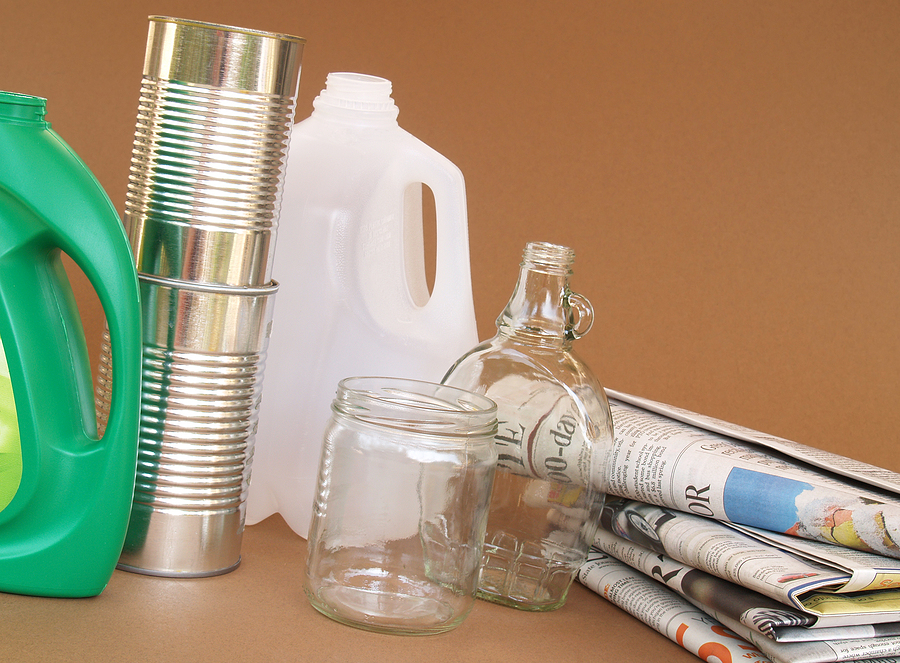
The power of aluminum: A recycling champion
Aluminum stands out as one of the most sustainable materials on the planet. It is highly valued in the recycling industry due to its durability and the incredible efficiency of processing it.
Aluminum cans: An infinite loop
The aluminum beverage can is a true success story in the world of sustainability. These cans can be recycled indefinitely without losing any structural quality. Recycling aluminum requires only 5% to 10% of the energy needed to produce new aluminum from raw bauxite ore.
Despite these clear environmental benefits, the US recycling rate for aluminum cans recently dipped to around 43%. We can greatly improve this metric by consistently placing empty cans in the appropriate bins. When properly sorted, an aluminum can goes from the recycling bin back to the grocery store shelf in as little as 60 days.
Beyond beverages: Other aluminum products
Your recycling efforts can easily extend beyond soda and sparkling water cans. Clean aluminum foil, pie pans, and food trays are also highly recyclable. You simply need to wash off any heavy food residue before tossing them in your bin. Food contamination can ruin entire batches of otherwise perfectly good recyclable metal.
Glass: A sustainable choice for packaging
Glass is a beautiful, natural material that has been used for centuries. Like aluminum, it boasts incredible properties that make it a cornerstone of eco-friendly packaging.
Bottles and jars: A clear winner
Glass bottles and jars can be melted down and reformed endlessly without any loss of purity or quality. Using recycled glass to create new containers significantly reduces the need for raw materials like sand, soda ash, and limestone. Currently, the US glass recycling rate hovers around 31%, but the glass packaging industry is actively working toward a goal of 50% by 2030.
Most community programs accept clear, brown, and green glass. Sorting by color is sometimes required because mixing colors can weaken the final recycled product.
Paper and cardboard: Everyday recyclable essentials
Paper products make up a massive portion of household and commercial waste. Fortunately, the infrastructure for recycling these materials in the US is highly developed and incredibly effective.
Corrugated cardboard: The backbone of shipping
With the massive growth of online shopping, corrugated cardboard is everywhere. It is also one of the most successfully recycled materials in the country, boasting a recycling rate between 69% and 74% in 2024.
Recycling cardboard keeps bulky materials out of local landfills and saves millions of trees annually. To process cardboard properly, you must flatten the boxes completely and ensure they stay dry. Wet cardboard clogs sorting machines and degrades the paper fibers.
Mixed paper and newspapers: From tree to treasury
Your daily mail, magazines, office paper, and newspapers are all highly valuable to recyclers. These items are pulped and turned into new paper products, including paper towels, tissue paper, and fresh printing paper. The recycling process extends the life of wood fibers, allowing a single piece of paper to be recycled five to seven times before the fibers become too short to use.
Plastics: Identifying the recyclable varieties
Plastic recycling is notoriously complex. Not all plastics are created equal, and the numbering system on the bottom of containers indicates the type of plastic resin used, not necessarily its curbside recyclability.
PET (Polyethylene Terephthalate) – Code 1
PET is the clear, lightweight plastic commonly used for water bottles, soda bottles, and some food containers. It is one of the most widely accepted and recycled plastics in the US, with a recycling rate of around 30.2% in 2024. Reclaimed PET is highly sought after to create new bottles, polyester clothing, and carpet fibers.
HDPE (High-Density Polyethylene) – Code 2
HDPE is a sturdy, opaque plastic typically used for milk jugs, shampoo bottles, and heavy-duty laundry detergent containers. It shares a similar recycling rate to PET and is highly prized for its durability. Recycled HDPE is often transformed into plastic lumber, patio furniture, and new heavy-duty containers.
Decoding other plastic numbers
Plastics stamped with numbers 3 through 7—such as PVC, low-density polyethylene, and polystyrene—are much harder to recycle. Many municipal programs do not accept them because they require specialized processing. Always check your local waste management guidelines before putting these lower-grade plastics into your bin.
Electronics (E-waste): A growing recycling priority
Technology moves fast, leaving a trail of outdated devices in its wake. Electronic waste, or e-waste, is one of the fastest-growing waste streams globally, and it requires careful attention.
The need for responsible e-waste management
Throwing old electronics into the regular trash poses severe environmental and health risks. E-waste often contains hazardous substances like lead, mercury, and cadmium. When these devices sit in landfills, toxic chemicals can leach into the soil and groundwater. Proper e-waste recycling ensures these dangerous materials are safely extracted and disposed of.
Common recyclable electronics
Cell phones, laptops, tablets, televisions, and even old charging cables can be recycled. Because of the complex mix of metals, plastics, and glass inside them, they cannot go in your curbside bin. You must take them to specialized e-waste drop-off locations or designated retailer take-back programs.
Metals beyond aluminum: Scrap metal’s value
While aluminum gets a lot of attention, other metals play a vital role in the recycling ecosystem. Reusing these metals preserves natural habitats by reducing the need for destructive mining practices.
Steel and tin cans: Kitchen staples
Soup cans, vegetable cans, and coffee tins are generally made of steel with a thin tin coating. Steel is actually the most recycled material on the planet by weight. At a scrap metal recycling facility, large magnets easily pull steel cans out of the waste stream, making them incredibly cheap and efficient to sort.
Other valuable scrap metals
Metals like copper, brass, and iron hold significant economic value. Old plumbing pipes, wire, and broken metal appliances can all be melted down and reformed into new industrial materials.
FAQ Section
What items are generally NOT recyclable in curbside programs?
Items like plastic grocery bags, garden hoses, and greasy pizza boxes should stay out of your curbside bin. Plastic bags and hoses tangle around sorting equipment, causing dangerous and costly machine jams. Grease destroys the paper fibers in pizza boxes, making them unrecyclable.
How can I find local recycling guidelines?
The best way to find accurate information is to visit your city or county waste management website. You can also use online databases like Earth911, which allow you to search for specific drop-off locations based on your zip code and the material you want to recycle.
Does rinsing containers really matter for recycling?
Yes, rinsing is essential. Leftover food and liquids can contaminate entire bales of recyclable materials, rendering them useless. You do not need to scrub items perfectly clean with soap, but a quick rinse to remove sticky residue goes a long way.
What is “wishcycling”?
Wishcycling happens when well-meaning people toss questionable items into the recycling bin, hoping the facility will figure out what to do with them. This practice actually slows down processing plants, damages equipment, and increases the cost of recycling for everyone.
Make your recycling efforts count
Taking a few extra seconds to sort your waste properly has a profound impact on resource conservation and energy savings. By focusing on highly recyclable materials like aluminum, glass, cardboard, PET, and HDPE, you support a healthier planet and a more sustainable economy.
If you have larger items taking up space in your garage, do not let them end up in a landfill. Bring your materials to Zore’s Indy for scrap metal and e-waste recycling services in Indianapolis, Indiana. We ensure your items are processed safely, and you can get paid cash for metal scrap items!
Related Post: 4 Really Weird Things That Can Be Recycled